The first airplane passenger fatality occurred
On this day · 17 September 1908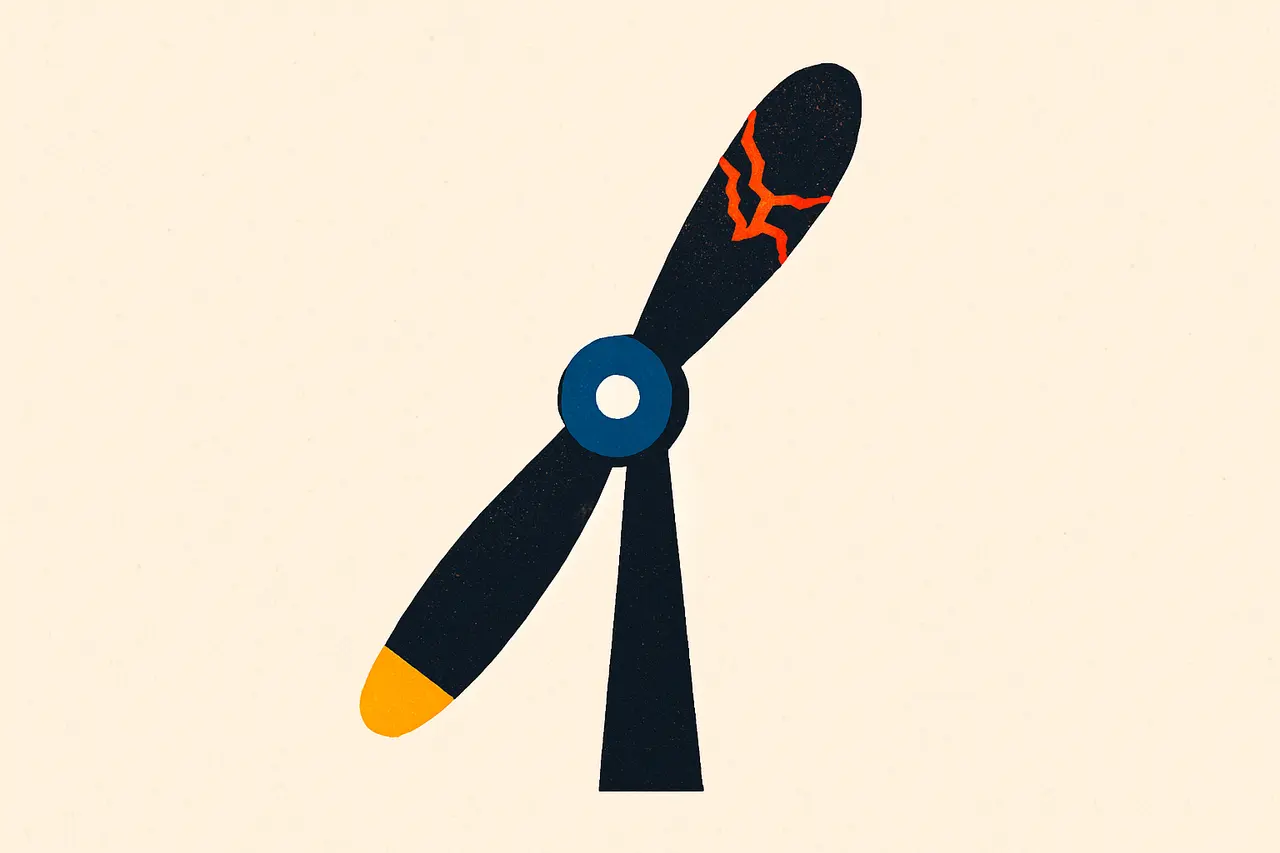
On September 17, 1908, a broken propeller turned an Army demonstration flight into aviation's first fatal crash, killing Lt. Thomas Selfridge.
On September 17, 1908, Orville Wright was demonstrating the Army’s new Wright Military Flyer at Fort Myer, Virginia, with Lieutenant Thomas E. Selfridge riding as passenger. Halfway through the fifth circuit, a propeller cracked, sliced a bracing wire, and sent the aircraft into a nose dive.
Selfridge struck a framework upright and fractured the base of his skull. He underwent surgery but died hours later without regaining consciousness, becoming the first person killed in a powered airplane. Wright survived with a broken leg, broken ribs, and a damaged hip, spending seven weeks in the hospital.
Selfridge, an Army balloonist and early aviation enthusiast, had eagerly arranged to fly that day.
The crash did not end military aviation; it sharpened it. Investigators traced the failure to the propeller, and the Wrights refined their designs. Fort Myer’s parade ground had witnessed both the promise of flight and its first deadly price.
Sources & references
2 referencesWell-established. Corroborated by 2 independent sources.