The cataclysmic eruption of Krakatoa intensified
On this day · 26 August 1883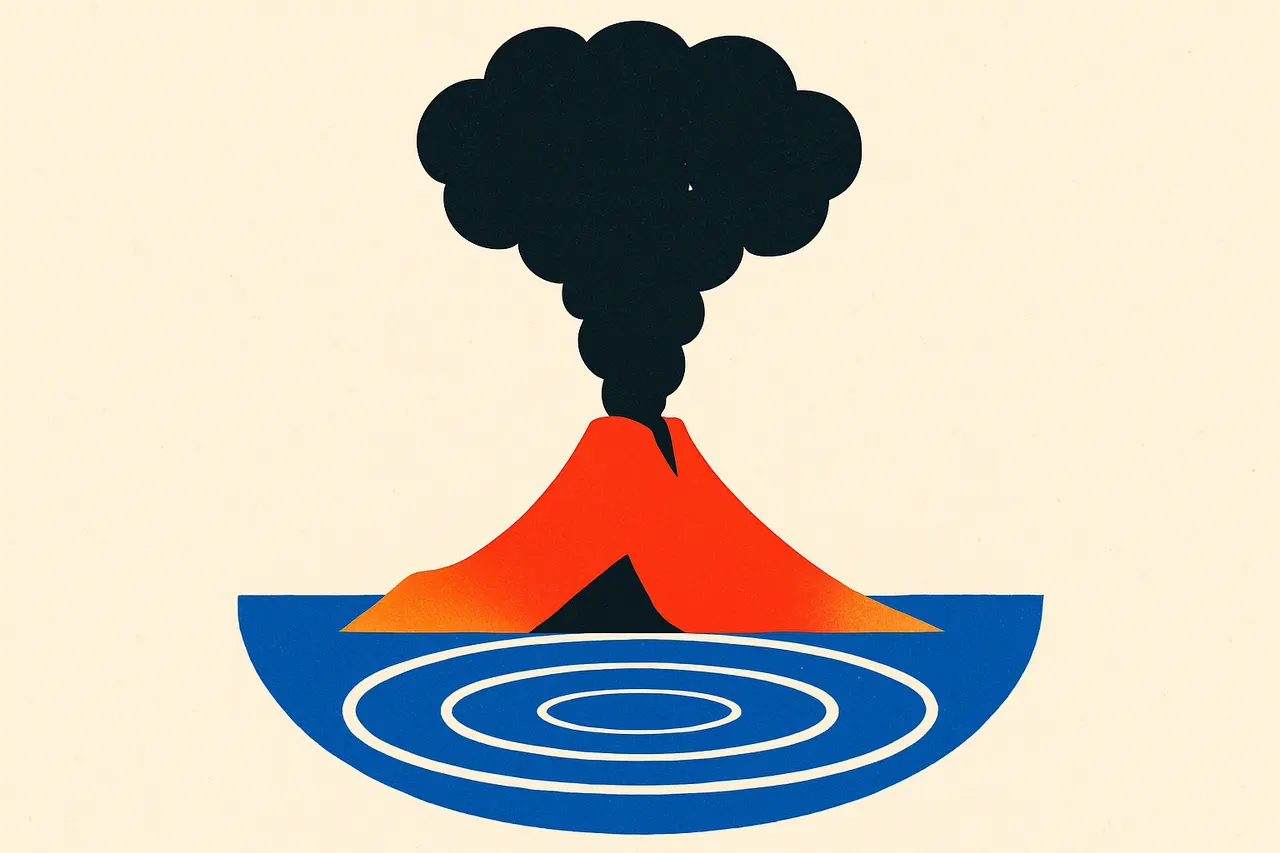
A volcano in the Sunda Strait began the explosive convulsions that would make one of the loudest, deadliest blasts in recorded history.
On August 26, 1883, the island volcano of Krakatau (“Krakatoa”), in Indonesia’s Sunda Strait, entered its catastrophic phase. Around 1 p.m. a column of gas and debris shot some 15 miles into the sky, the first in a chain of increasingly violent explosions that built through the night.
The convulsions climaxed the next morning, August 27, when a blast around 10 a.m. was heard nearly 2,800 miles away in Perth, Australia, among the loudest sounds ever recorded. The northern part of the island collapsed into the sea.
The tsunamis it spawned, not the lava, did most of the killing.
Those waves swept the coasts of Java and Sumatra and killed more than 36,000 people. Ash and aerosols circled the globe, dimming sunsets and tinting Moons blue for months. The eruption rates a 6 on the volcanic explosivity index, among the most destructive in history.
Sources & references
2 referencesWell-established. Corroborated by 2 independent sources.