The abbreviation 'OK' first appeared in print
On this day · 23 March 1839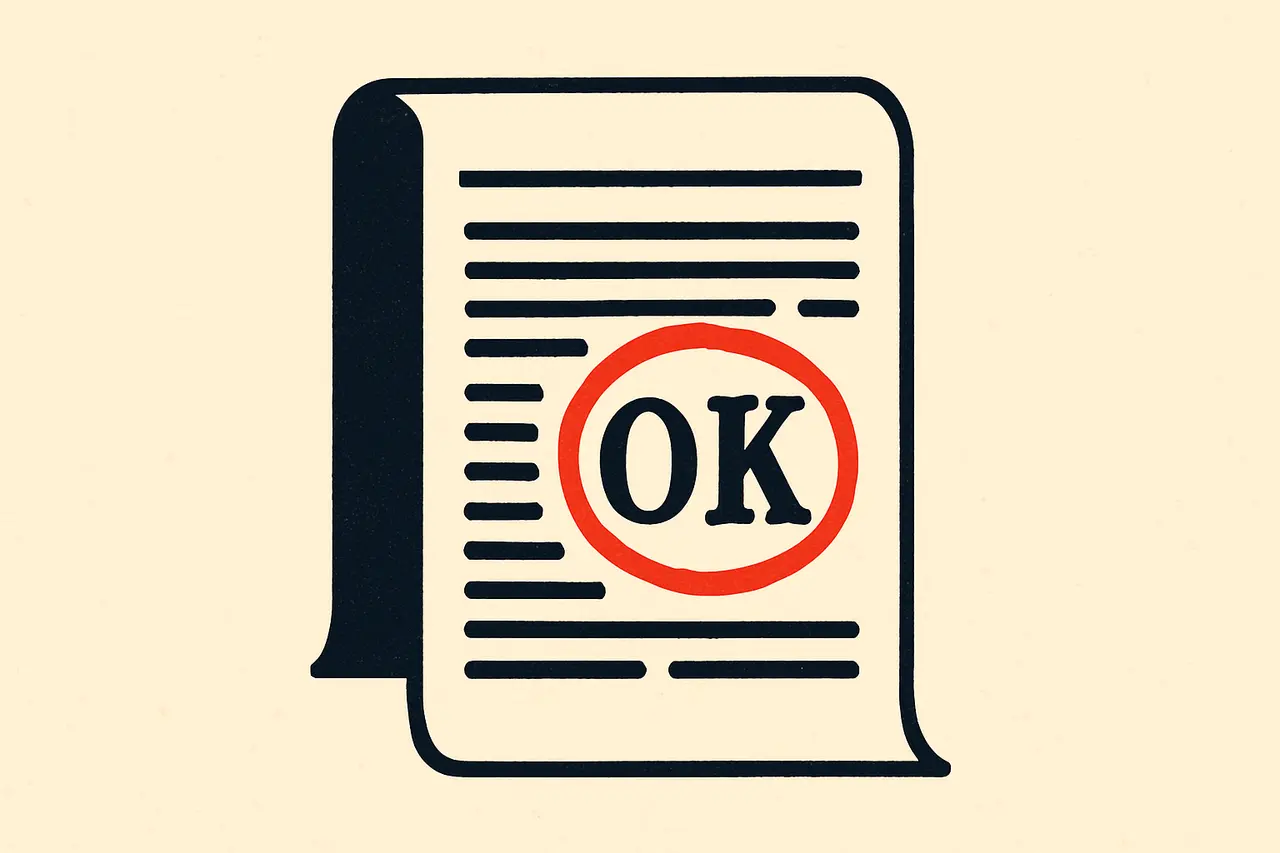
A Boston editor's throwaway joke — a deliberate misspelling of "all correct" — grew into one of the most-used words on Earth.
On March 23, 1839, the initials “O.K.” appeared in print in The Boston Morning Post, used by editor Charles Gordon Greene as a tongue-in-cheek abbreviation of “oll korrect” — a jokey misspelling of “all correct” that was briefly fashionable among newspapermen.
The quip surfaced inside a satirical jab at a rival paper, and it might have died as a passing fad. Instead it stuck, helped along the next year when supporters of presidential candidate Martin Van Buren — nicknamed Old Kinderhook — adopted “O.K.” as a campaign cry.
A deliberately bad spelling became, of all things, a global symbol of correctness.
The trail was reconstructed in the 1960s by Columbia University linguist Allen Walker Read, whose detective work in old newspapers settled the origin of a word now spoken in nearly every language on the planet.
Sources & references
2 referencesWell-established. Corroborated by 2 independent sources.