Tambora's 1815 eruption was the largest in recorded history — and cooled the whole planet
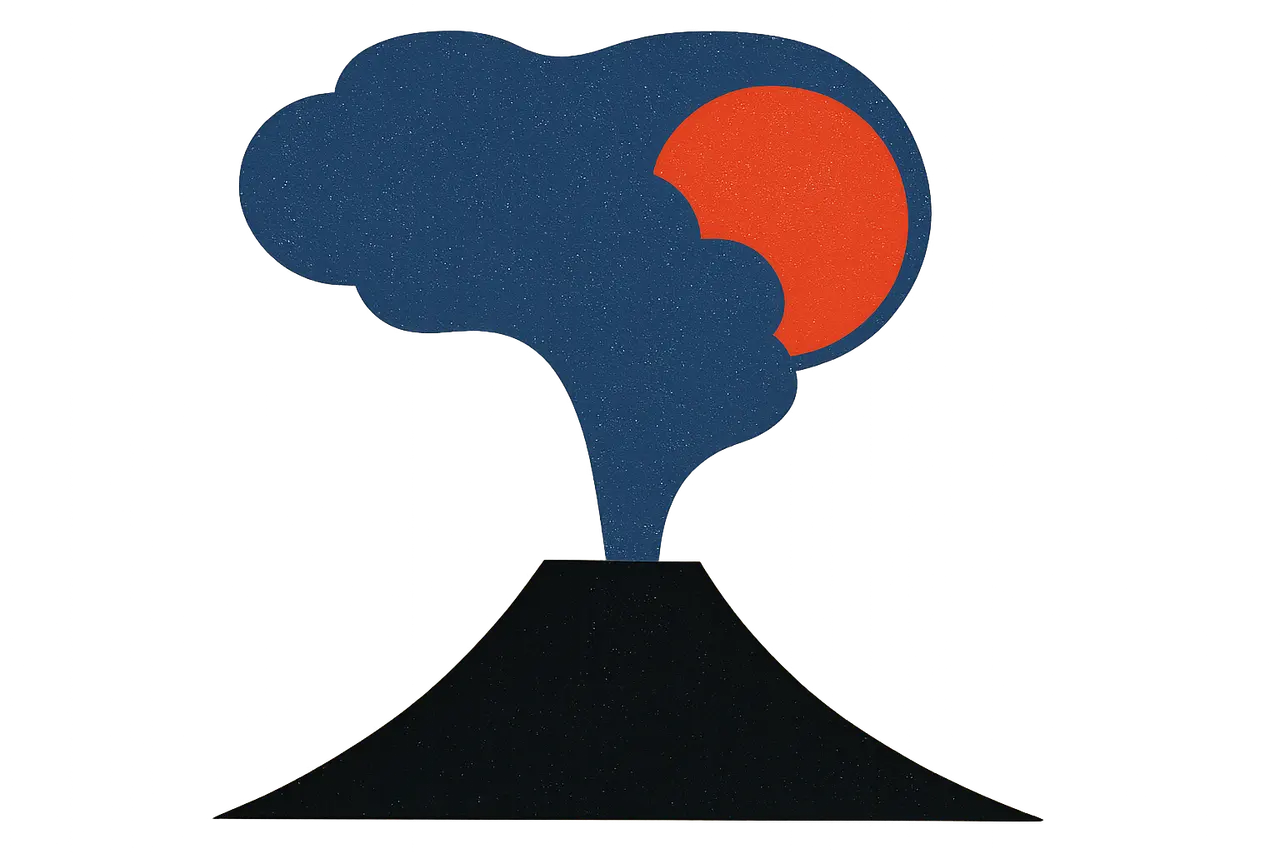
A single Indonesian volcano blasted out so much sulfur in 1815 that 1816 became known as the 'year without a summer'.
In April 1815, Mount Tambora on the Indonesian island of Sumbawa produced the largest volcanic eruption in recorded history. The climactic blast on 10 April rated VEI 7 on the Volcanic Explosivity Index and expelled on the order of 150 cubic kilometers of rock and ash. The eruption killed perhaps 10,000 people directly through pyroclastic flows and falling debris — but that was only the beginning. Ashfall smothered crops across the region, and famine and disease in the months that followed killed tens of thousands more, pushing the total toll to a possible 70,000-plus.
The mechanism of its global reach lay overhead. Tambora flung roughly 60 megatons of sulfur into the stratosphere, where it formed a veil of sulfate aerosols that reflected incoming sunlight back to space. Average global temperatures fell by as much as 3°C. It is the textbook case of volcanic cooling, and a larger cousin of Pinatubo in 1991, whose smaller sulfur load still chilled the planet by about half a degree and gave scientists a modern, instrument-tracked rehearsal of the same effect.
The following year, 1816, became infamous as the “year without a summer.” Frosts and failed harvests stalked Europe and eastern North America through midsummer, driving food prices up and spurring waves of migration. Trapped indoors by the gloom at Lake Geneva, a young Mary Shelley passed the cold, sunless days writing the novel that became Frankenstein — a small literary aftershock of a mountain half a world away.
Sources & references
2 referencesWell-established. Corroborated by 2 independent sources.