Shuttles flew again after Challenger on Sept. 29, 1988
On this day · 29 September 1988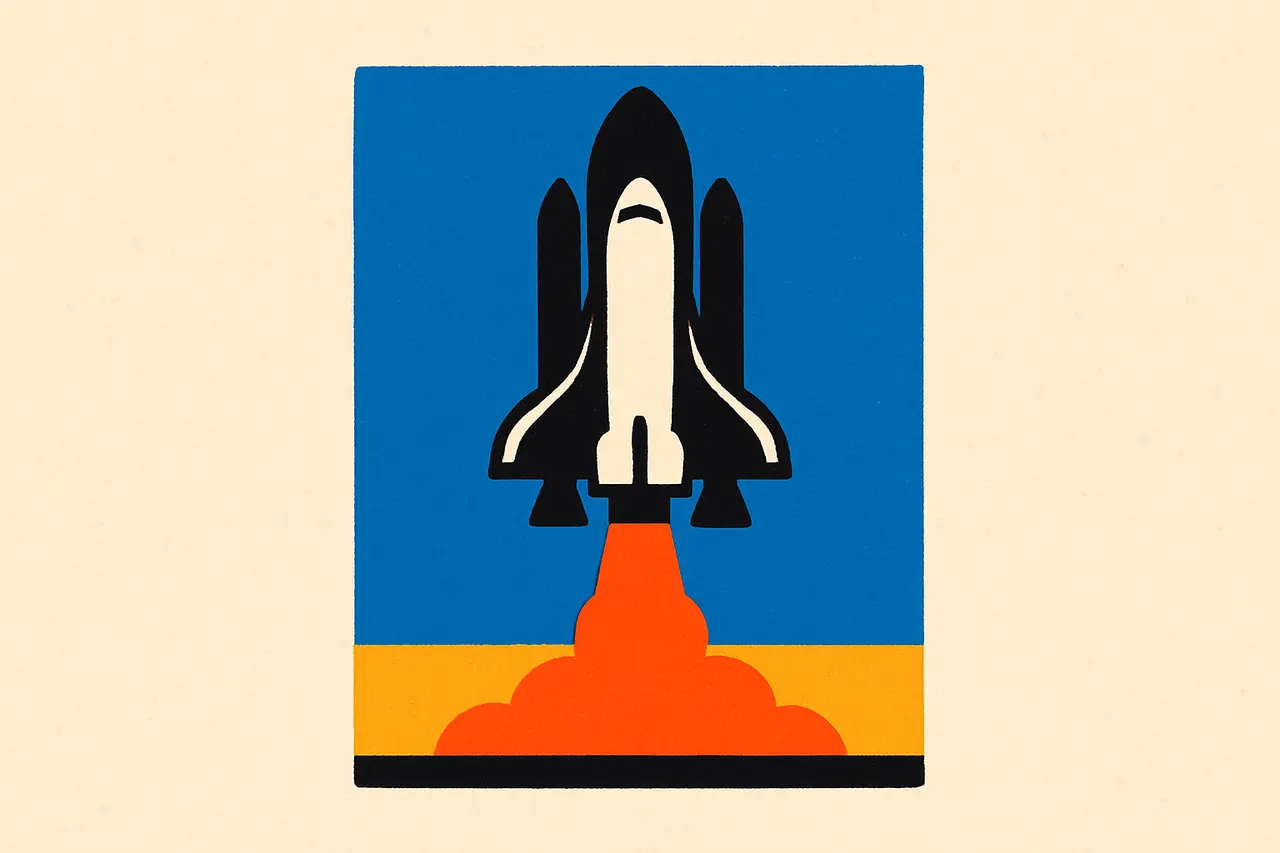
Discovery's STS-26 ended a 32-month grounding after Challenger, flying on redesigned boosters after more than 200 changes to the shuttle system.
Space shuttle flights resumed on September 29, 1988, when Discovery launched mission STS-26 from Kennedy Space Center at 11:37 a.m. EDT, ending a 32-month gap after the Challenger accident of January 28, 1986. Its five-man crew, commander Rick Hauck, pilot Dick Covey, and Mike Lounge, David Hilmers and George “Pinky” Nelson, was the first made up entirely of space veterans since Apollo 11.
The Rogers Commission traced Challenger’s loss to booster field-joint O-rings that turned brittle in the cold, and to a NASA culture that overrode engineers’ warnings. NASA made more than 200 changes to the shuttle system, including a crew escape pole allowing bailout in some flight conditions and pressurized Launch and Entry Suits worn for liftoff and landing, replacing shirt-sleeve ascents. Discovery itself spent 600 days in its processing hangar.
The road back
- January 28, 1986: Challenger is lost.
- 1987 and 1988: redesigned solid rocket booster field joints are certified in full-scale test firings.
- September 29, 1988: more than 1 million people watch from nearby beaches; about two minutes in, relief spreads as the new boosters finish their burn. Six hours in, the crew deploys TDRS-3, replacing the relay satellite lost with Challenger.
- October 1988: on the fourth day the crew pays a televised tribute to the Challenger crew, each astronaut reading part of a statement, and Hauck closes it.
- October 3, 1988: Discovery lands at Edwards Air Force Base, California, before about 425,000 spectators.
“Dear friends, we have resumed the journey that we promised to continue for you.” — Rick Hauck, from orbit, October 1988
When the boosters were recovered from the sea, engineers found the new joints in excellent condition; the program flew on until 2011.
Sources & references
3 referencesWell-established. Corroborated by 2 independent sources.