Luna 1 missed the Moon in 1959 and orbited the Sun instead
On this day · 2 January 1959
Launched on 2 January 1959, the Soviet probe overshot its likely target by thousands of miles and became the first spacecraft to orbit the Sun.
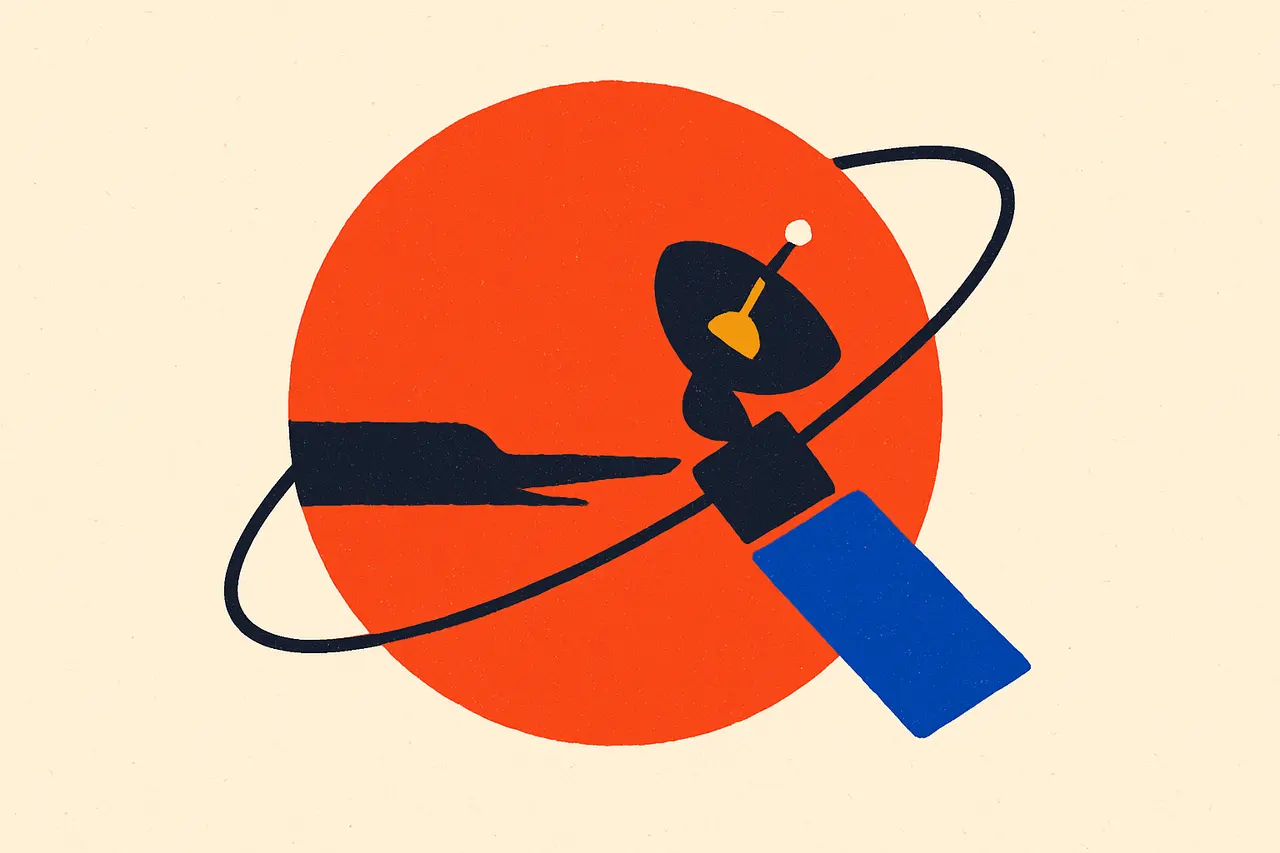
The Soviet probe now called Luna 1 was launched on January 2, 1959, and became the first spacecraft to escape Earth’s gravity and fly past the Moon. It very likely meant to hit the Moon, and missed.
It followed three failed Soviet attempts in 1958, all lost to problems with the R-7 rocket; that March, Moscow had approved a series of probes designed to strike the lunar surface. This time the new upper stage reached escape velocity but fired longer than planned, and about 34 hours after launch the 796-pound sphere sailed past its target.
Accounts differ on how far it missed. NASA puts the gap at about 4,000 miles; other sources give 3,725 miles (5,995 km). The Soviets never said publicly that they had aimed for an impact, and the craft was not even called Luna 1 at the time: it was announced as the First Cosmic Rocket and renamed only in 1963.
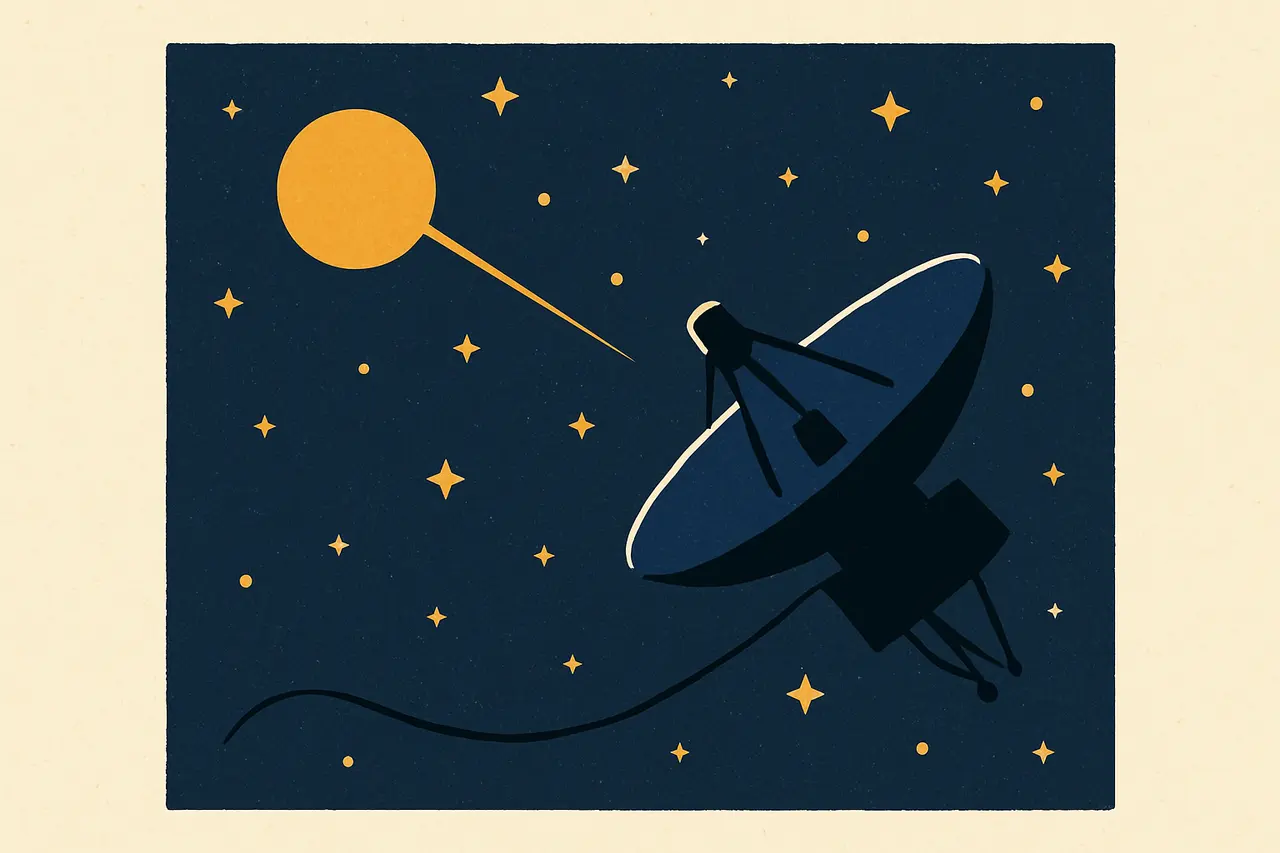
On the way out, the upper stage released 1 kilogram of sodium gas about 74,000 miles from Earth, creating a glowing trail that Soviet astronomers photographed. Contact ended about 62 hours in, when the batteries ran down 370,000 miles from Earth; by then Luna 1 had become the first spacecraft to orbit the Sun.
Its near-twin finished the job. Luna 2 struck the Moon on September 13, 1959, becoming the first spacecraft to touch another celestial body, about 160 miles from where Apollo 15 would land 12 years later. Days afterward, Nikita Khrushchev gave President Eisenhower a replica of the Soviet pennant sphere it had carried.
Sources & references
4 referencesWell-established. Corroborated by 3 independent sources.