Rosa Parks refused to give up her bus seat in Montgomery
On this day · 1 December 1955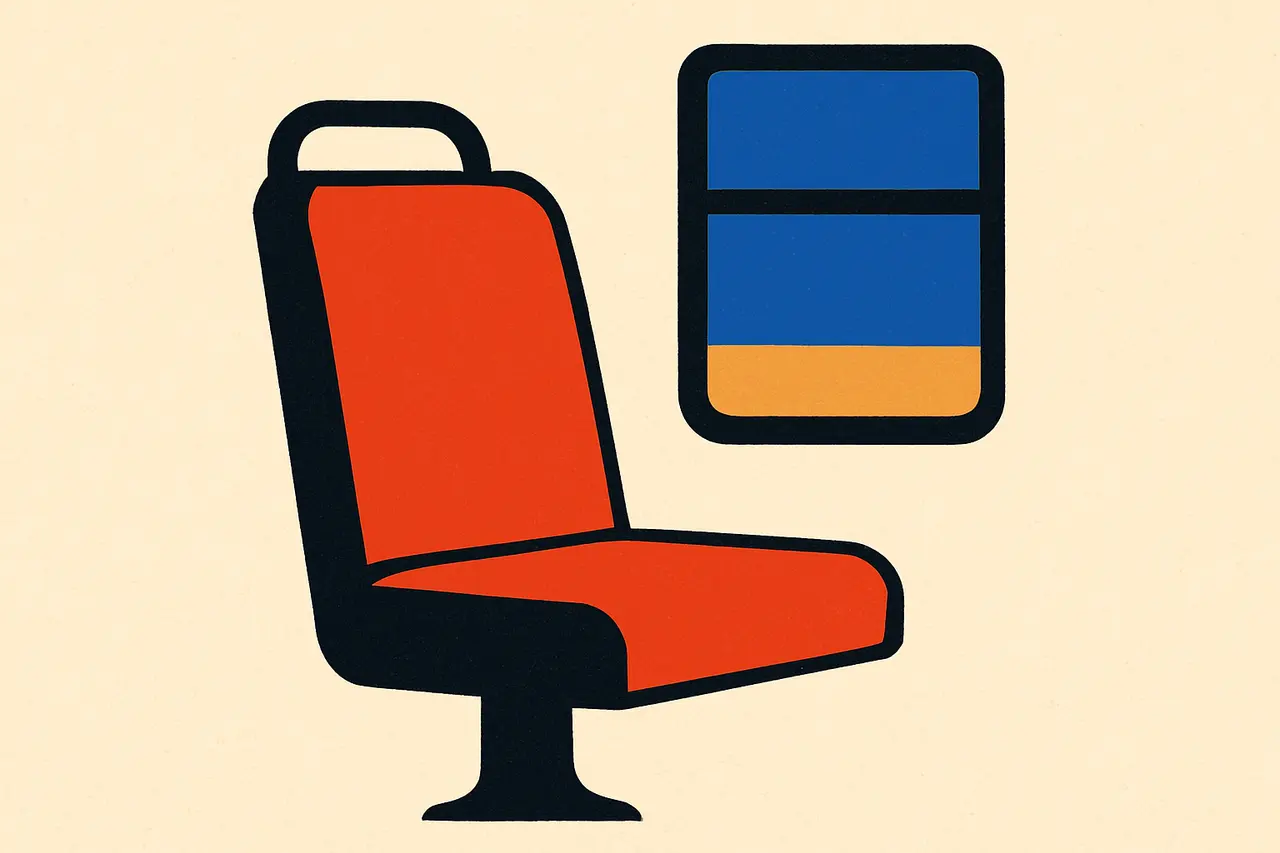
One seamstress, one seat, and a refusal that set a 381-day boycott and the civil rights movement in motion.
On December 1, 1955, a 42-year-old seamstress named Rosa Parks boarded a Montgomery, Alabama, bus home from work. She sat in the first row of the section open to Black riders. When white passengers filled the front and the driver ordered her row back, three people moved. Parks stayed put.
She was arrested for violating a city ordinance that let drivers enforce racial segregation. The charge was small; the consequences were not.
“The only tired I was, was tired of giving in.”
Montgomery’s Black community had been waiting for the right case. Within days, the Women’s Political Council circulated leaflets and the Montgomery Bus Boycott began. Roughly 40,000 riders walked, carpooled, and stayed off the buses for 381 days, until a Supreme Court ruling in late 1956 struck down the segregation. A quiet act of refusal had become a turning point, and Parks a lasting symbol of resistance.
Sources & references
2 referencesWell-established. Corroborated by 2 independent sources.