Most of the world's earthquakes strike along one Pacific horseshoe
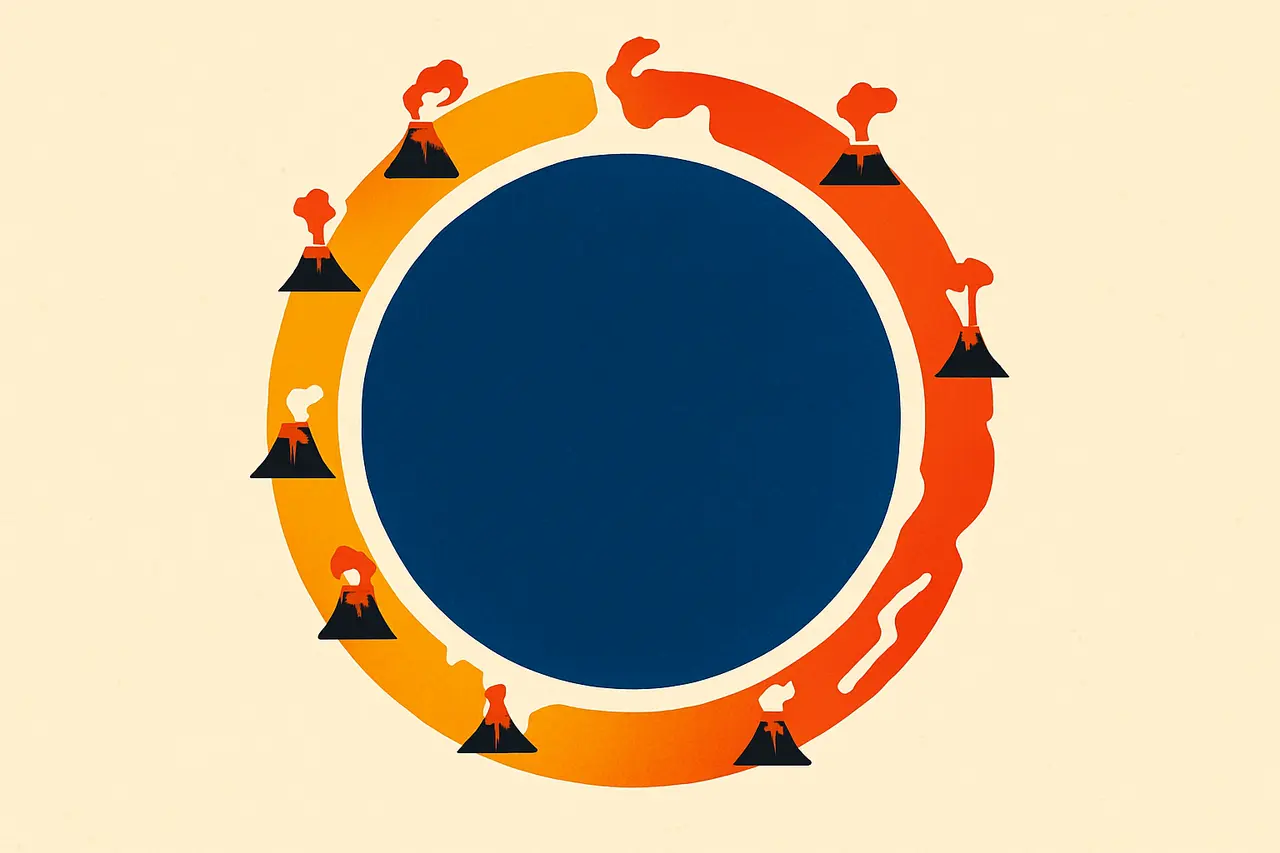
The Ring of Fire hosts about 90% of earthquakes and three-quarters of active volcanoes.
Trace a line around the rim of the Pacific Ocean and you map the planet’s most restless zone: the Ring of Fire. This horseshoe-shaped belt runs roughly 40,000 km (25,000 miles), from the tip of South America up through North America, across to Japan, and down into New Zealand.
Around 90% of the world’s earthquakes—and the overwhelming majority of the largest ones—happen here, along with about 75% of Earth’s active volcanoes.
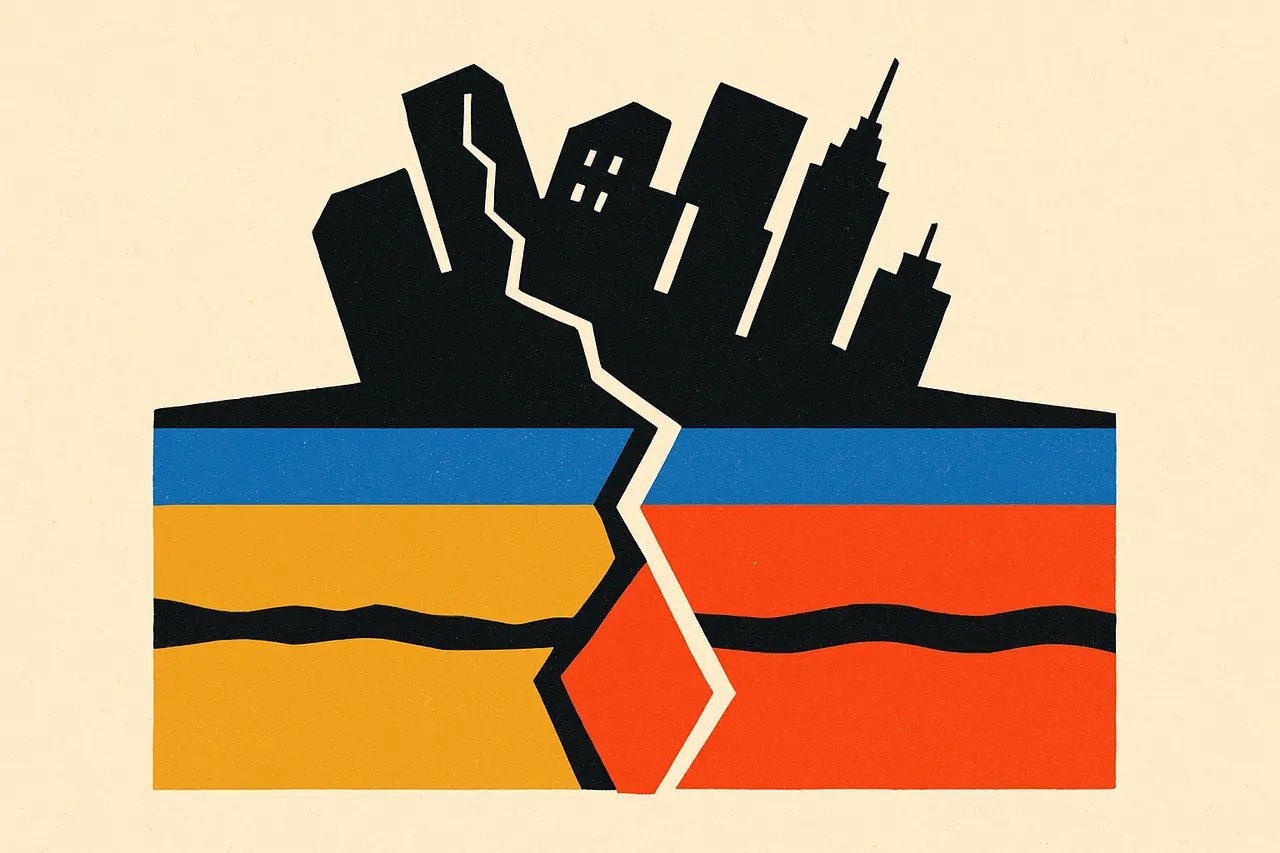
The reason is subduction. Around the Pacific, dense oceanic plates dive beneath lighter ones, grinding past each other to build stress that releases as massive earthquakes. The same descending rock melts at depth and feeds chains of explosive volcanoes above.
That single geological process ties together the region’s earthquakes, its eruptions, and the tsunamis that subduction megathrust quakes can unleash—which is why so many of the most powerful events ever recorded cluster around this one ocean.
Sources & references
2 referencesWell-established. Corroborated by 2 independent sources.