The QWERTY keyboard was designed for a machine that no longer exists
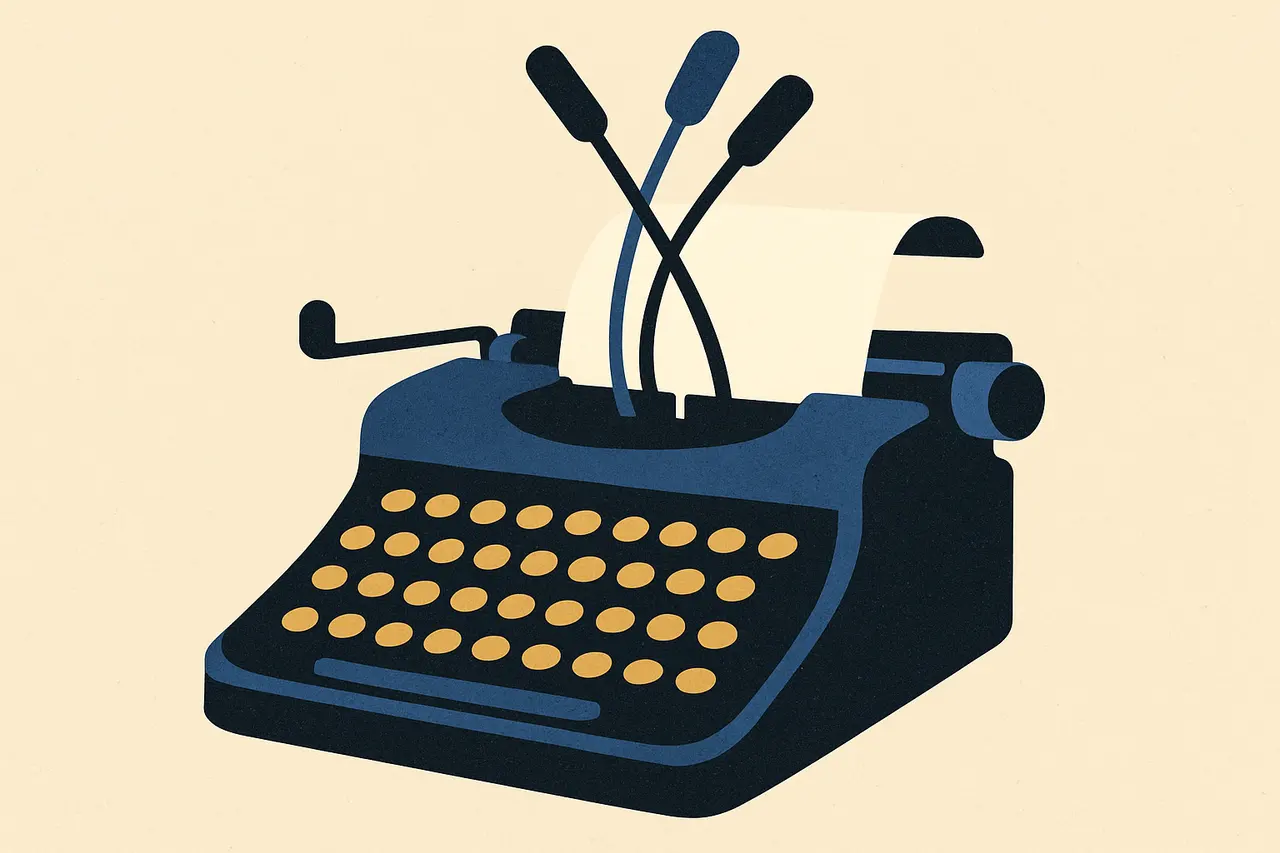
The scrambled layout under your fingers was shaped by jamming metal typebars in the 1870s—and we never switched.
The familiar QWERTY layout was devised in the early 1870s by American inventor Christopher Latham Sholes, whose typewriter was commercialized by E. Remington and Sons and first sold in 1874 as the Sholes & Glidden Type Writer.
Its jumbled order was a fix for a mechanical flaw. Early typewriters struck the paper with metal typebars, and when neighboring bars flew up in quick succession they tended to clash and jam. Sholes’ associate James Densmore suggested separating letters that are often typed together, spreading them across the keyboard to reduce collisions. A competing theory adds that the arrangement was tuned for the telegraph operators who were among the first buyers, transcribing Morse code at speed — which may help explain some of the layout’s odder choices.
The striking part is that the layout outlived the problem it solved. In 1936, August Dvorak patented the Dvorak Simplified Keyboard, which clusters the most common letters on the home row to slash finger travel. By its own logic it should have won — yet it never displaced QWERTY, and researchers still argue over whether it is meaningfully faster at all.
That is exactly why economists love this story. Once millions had learned QWERTY and every manufacturer had standardized on it, the cost of switching everyone always outweighed the benefit, no matter how good the alternative. QWERTY became the textbook example of path dependence and network lock-in — a chance early choice that freezes into a standard and refuses to budge, long after the machine it was built for has vanished.
Sources & references
2 referencesWell-established. Corroborated by 2 independent sources.