The Quran's 114 chapters are arranged by length, not by date
Islam's scripture is fixed at 114 surahs ordered roughly longest to shortest - and was guarded as much by memory as by ink.
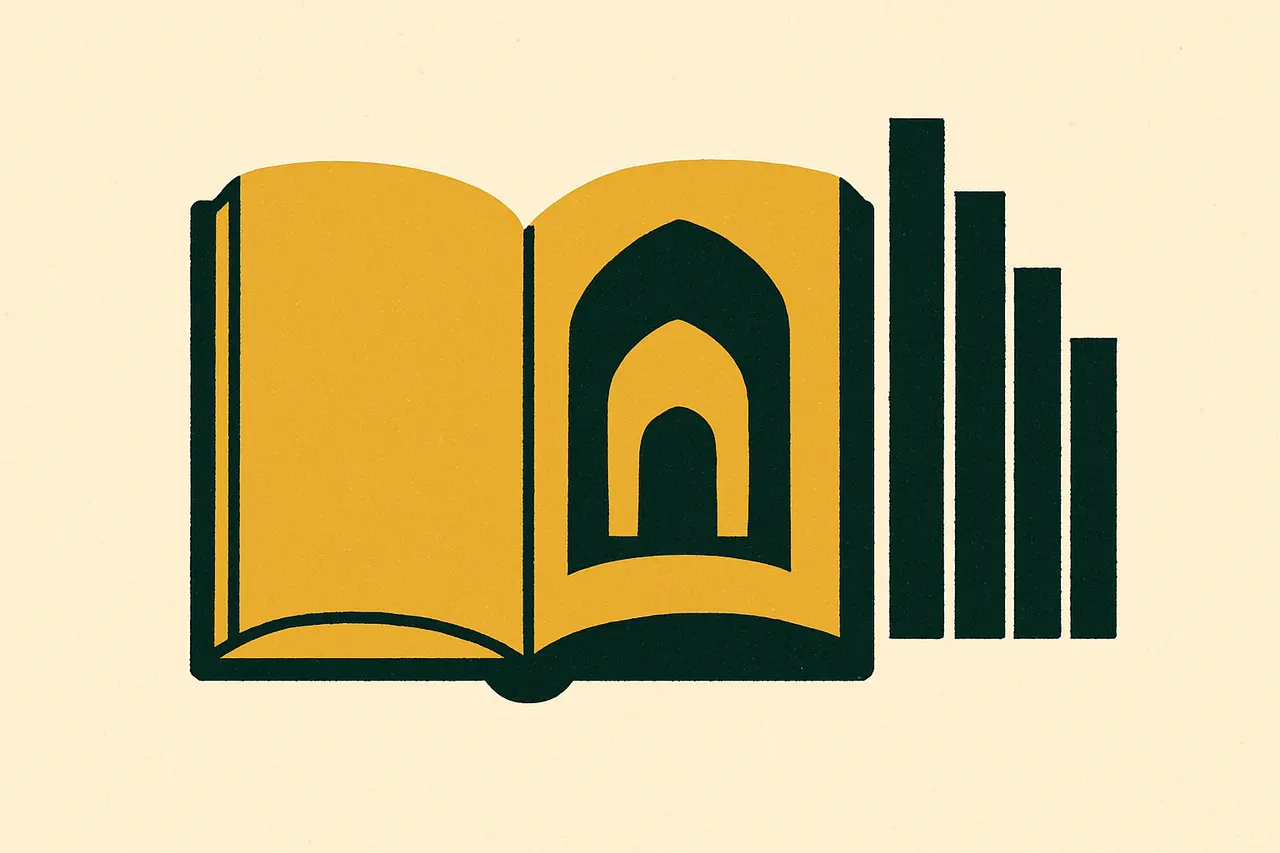
The Quran is divided into 114 chapters, called surahs, made up of roughly 6,236 verses (ayahs). Their order follows neither the sequence of revelation nor a thematic plan: apart from the short opening surah, they run roughly from longest to shortest. The second chapter, Al-Baqarah, sprawls across 286 verses; near the end, Al-Kawthar musters just 3. That descending arc is the organizing logic of the whole book.
The written text owes its uniformity to an early editorial decision. Under the third caliph, Uthman, around 650 CE, scholars compiled a single standard codex and, by traditional accounts, ordered competing copies destroyed so that one reading would prevail. This Uthmanic recension is why Qurans printed in Jakarta and Cairo today carry the same words in the same order.
The word Qur’an means “recitation” — a reminder that oral tradition came before the manuscript.
Memory, not ink, is the deeper safeguard. A person who commits the entire text to heart is honored as a hafiz, and the rules of tajwid govern exactly how each syllable is pronounced. Teachers pass on an ijazah — a certified chain of transmission running teacher to teacher back toward the source — so that recitation is audited, not merely copied.
The upshot is a remarkable redundancy. Every written copy can be checked against millions of living reciters, and every reciter against the written copy. For some fourteen centuries those two streams have policed each other, which is why the Quran’s wording has stayed so strikingly stable.
Sources & references
2 referencesWell-established. Corroborated by 2 independent sources.