Most Western alphabets descend from 22 Phoenician letters
A consonant-only script from ancient seafarers seeded Greek, Latin, and the letters you're reading now.
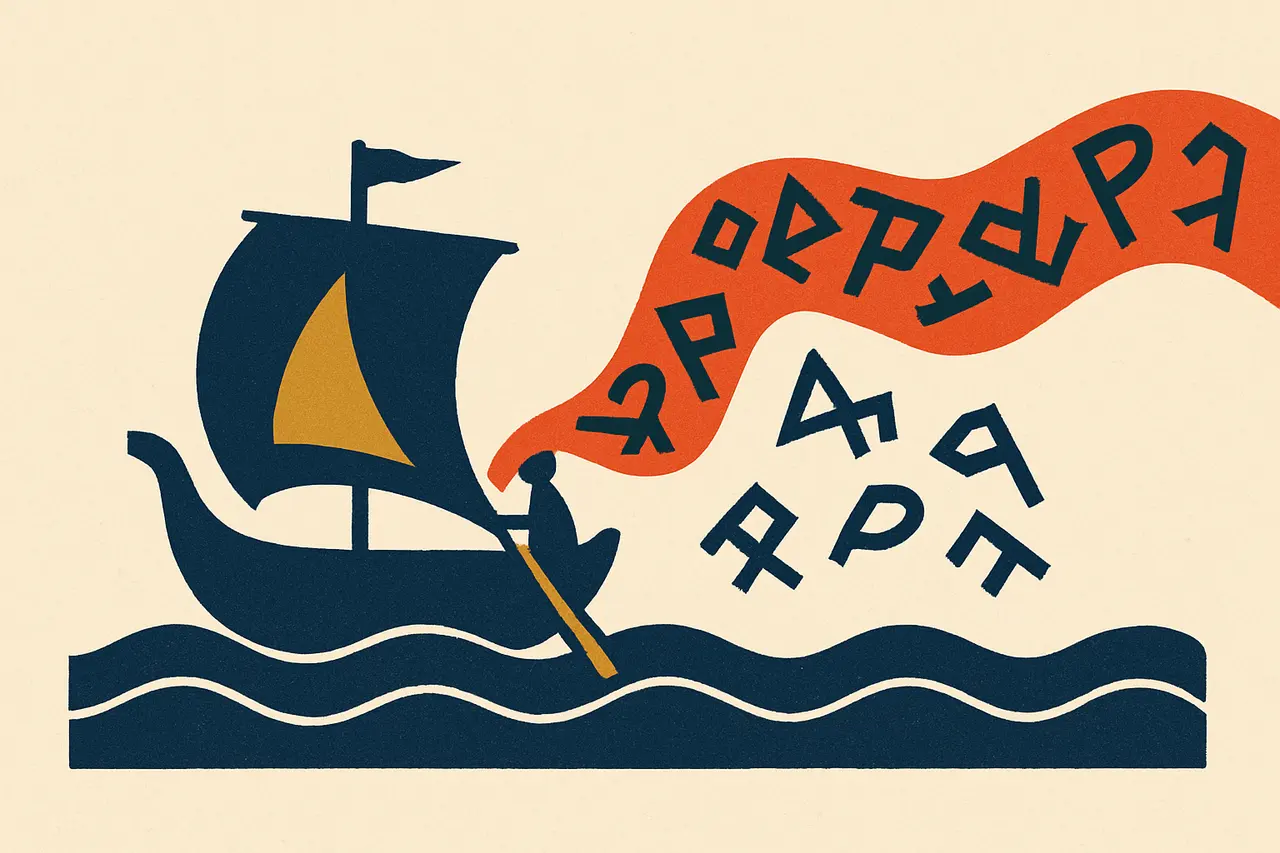
The alphabet you’re reading traces back to a single Mediterranean source. The Phoenician alphabet, in use through the 1st millennium BCE, had just 22 letters — and only consonants, making it an abjad, written right to left.
Phoenician traders carried their script around the Mediterranean. The Greeks adopted it, then made a pivotal change: they repurposed letters for consonant sounds they didn’t use and turned them into vowels, creating the first “true” alphabet with both consonants and vowels.
Britannica calls Phoenician “the probable ancestor of the Greek alphabet and, hence, of all Western alphabets.”
From Greek came the Latin alphabet used across the Western world, plus Cyrillic, Armenian and Georgian. A sister branch, Aramaic — also descended from Phoenician — gave rise to the Arabic and Hebrew scripts. A handful of merchant letters became the writing systems of billions.
Sources & references
2 referencesWell-established. Corroborated by 2 independent sources.