Olympus Mons is about 22 km tall, 2.5 times Everest
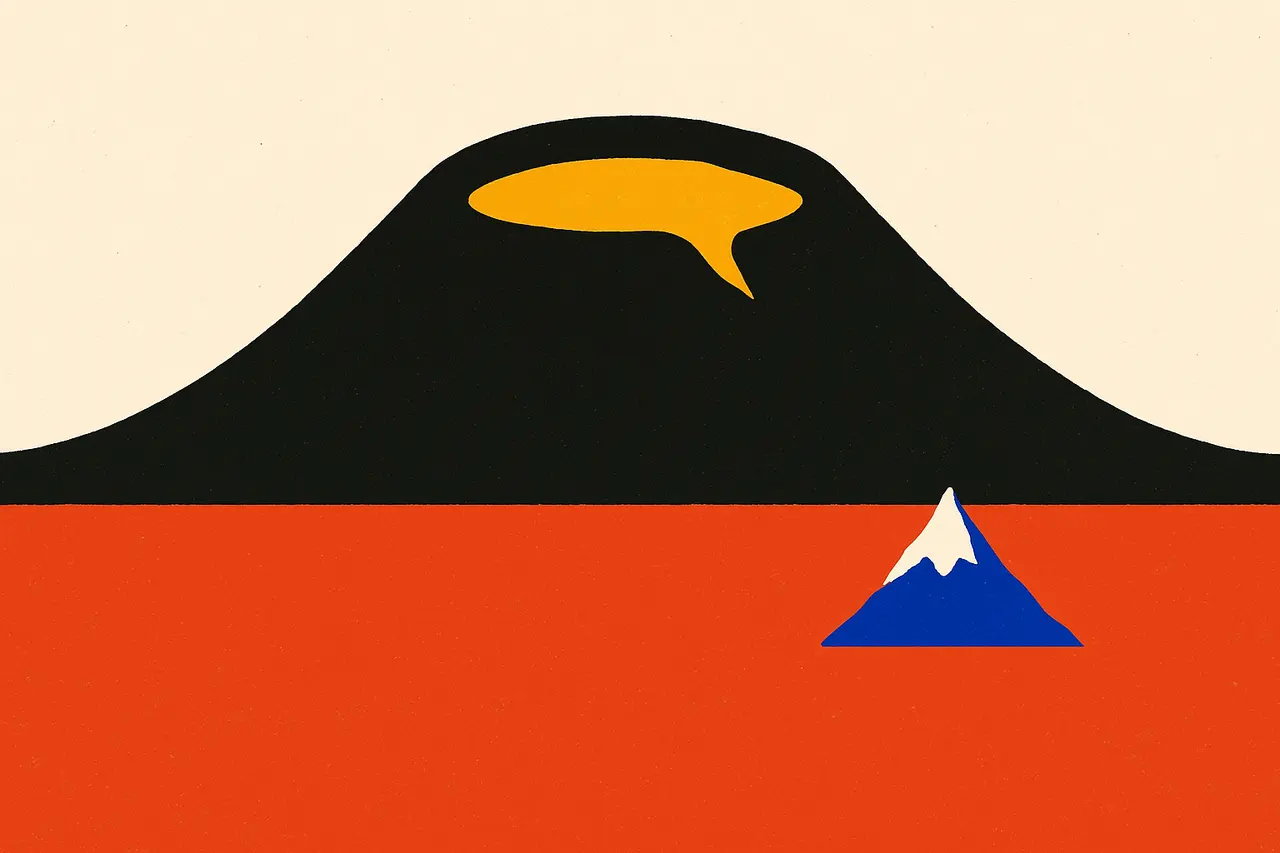
Mars's Olympus Mons rises about 22 km above its plains, more than double Earth's tallest volcano even when Mauna Kea is measured from the sea floor.
Olympus Mons on Mars is the tallest volcano in the Solar System, rising about 22 kilometres above the surrounding plains: roughly two and a half times the height of Mount Everest, which tops out at 8.8 km above sea level.
Look up its height and you will find answers from about 22 km to 40 km. Mars has no sea level, so every height depends on where you start measuring, and the same is true of the mountains it gets compared with:
| Mountain | Measured from | Height |
|---|---|---|
| Olympus Mons (European Space Agency, Mars Express images) | surrounding plains | about 22 km |
| Olympus Mons (Lowell Observatory) | surrounding plains | 72,000 feet |
| Olympus Mons (NASA) | base to summit | more than 25 miles (40 km) |
| Mauna Kea, Hawaii | ocean floor | about 10 km |
| Mount Everest | sea level | 8.8 km |
The 22 km figure, measured from the plains, is the one behind the familiar Everest comparison; Lowell Observatory’s 72,000 feet is the same figure in feet. But Everest is the wrong yardstick anyway, because it is measured from sea level rather than from its base. The fair comparison is Earth’s tallest volcano measured from its foot, Mauna Kea. Olympus Mons is still more than double that.
It is wide as well as tall. Its base spans about 600 km (374 miles), close to the size of Arizona, yet like other shield volcanoes it rises at a gentle average slope of about 5%. Its edge is unusual: a cliff, or scarp, that circles the whole mountain and reaches 9 km high in places, probably cut by giant landslides that spread debris hundreds of kilometres across the plains.
Lowell Observatory credits its size to Mars’s lower gravity, a crust that barely moves, and plentiful eruptions. On Earth, drifting plates carry the crust past hot spots, spreading lava into chains such as the Hawaiian islands. The Olympus Mons region is thought to have been active until tens of millions of years ago, recent by Martian standards.
Sources & references
3 referencesWell-established. Corroborated by 3 independent sources.