Norse myth has its own apocalypse, and the gods themselves die in it
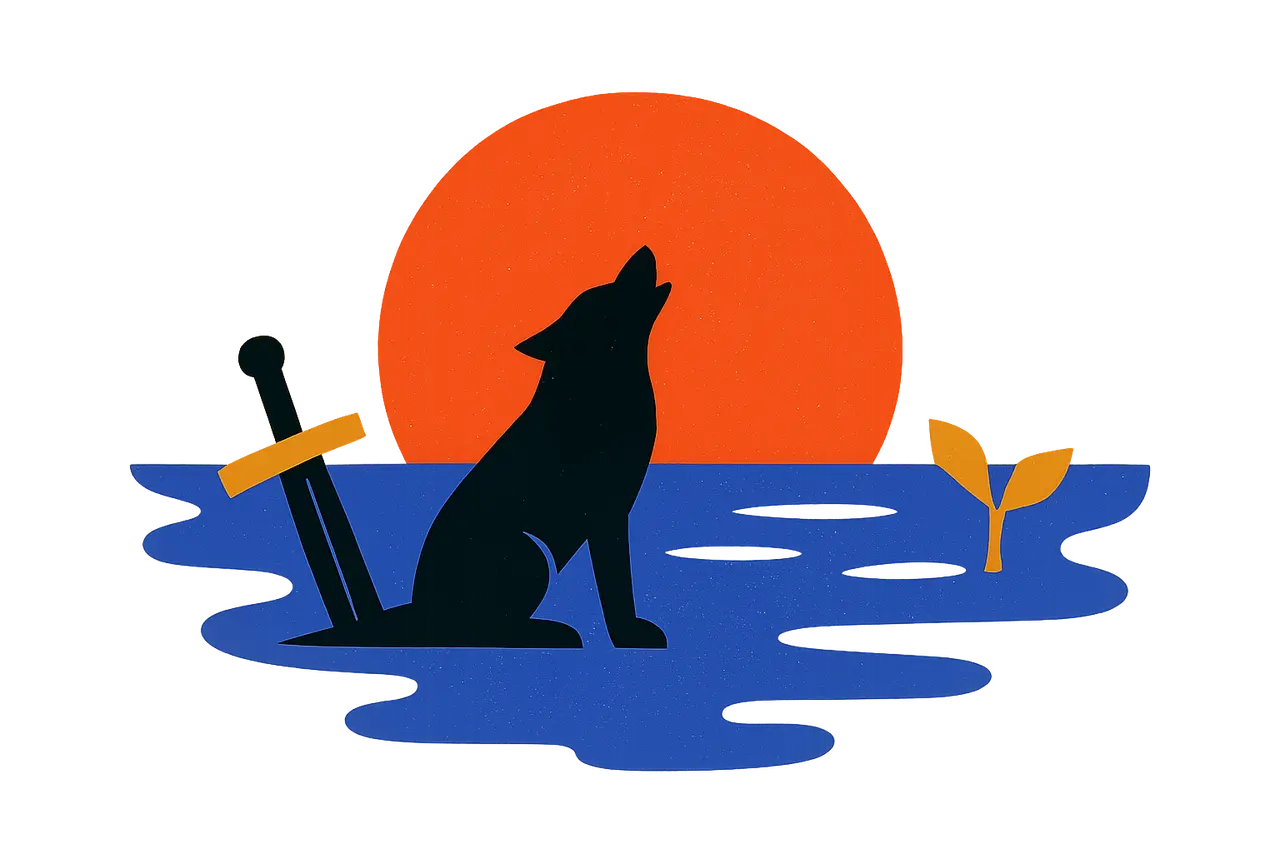
Most pantheons assume their gods are forever, but Norse myth foretells Ragnarok, a final battle in which Odin and Thor are killed before the world is reborn.
Many mythologies quietly assume their gods are immortal and eternal. Norse mythology does something stranger and bleaker: it builds in its own end of the world, Ragnarok, and it kills off its greatest gods on the way.
The story, preserved in the medieval Poetic Edda and Snorri Sturluson’s 13th-century Prose Edda, describes a final reckoning of “the death of the gods,” as Britannica summarizes it. The cast does not get plot armor. Odin, the all-father and head of the pantheon, is devoured by the monstrous wolf Fenrir. His son Vidar avenges him by killing the wolf.
Thor fares no better. He battles the world-serpent Jormungand and finally slays it, but the serpent’s venom kills him too. The texts say he manages just nine steps before he falls dead.
The giant Surtr then sets the cosmos ablaze, and the land sinks beneath the sea.
“I see the earth rise a second time from out of the sea,” declares the seeress in the Voluspa.
That is the second surprise: Ragnarok is not a dead end but a cycle. A green, renewed world rises from the water. A handful of younger gods survive, and two humans, Lif and Lifthrasir, emerge to repopulate the earth. The result is a mythology unusually clear-eyed about mortality, one in which even thunder gods can die, and in which destruction is also the doorway to a fresh beginning.
Sources & references
3 referencesWell-established. Corroborated by 3 independent sources.