The oldest surviving photograph took hours of sunlight to make
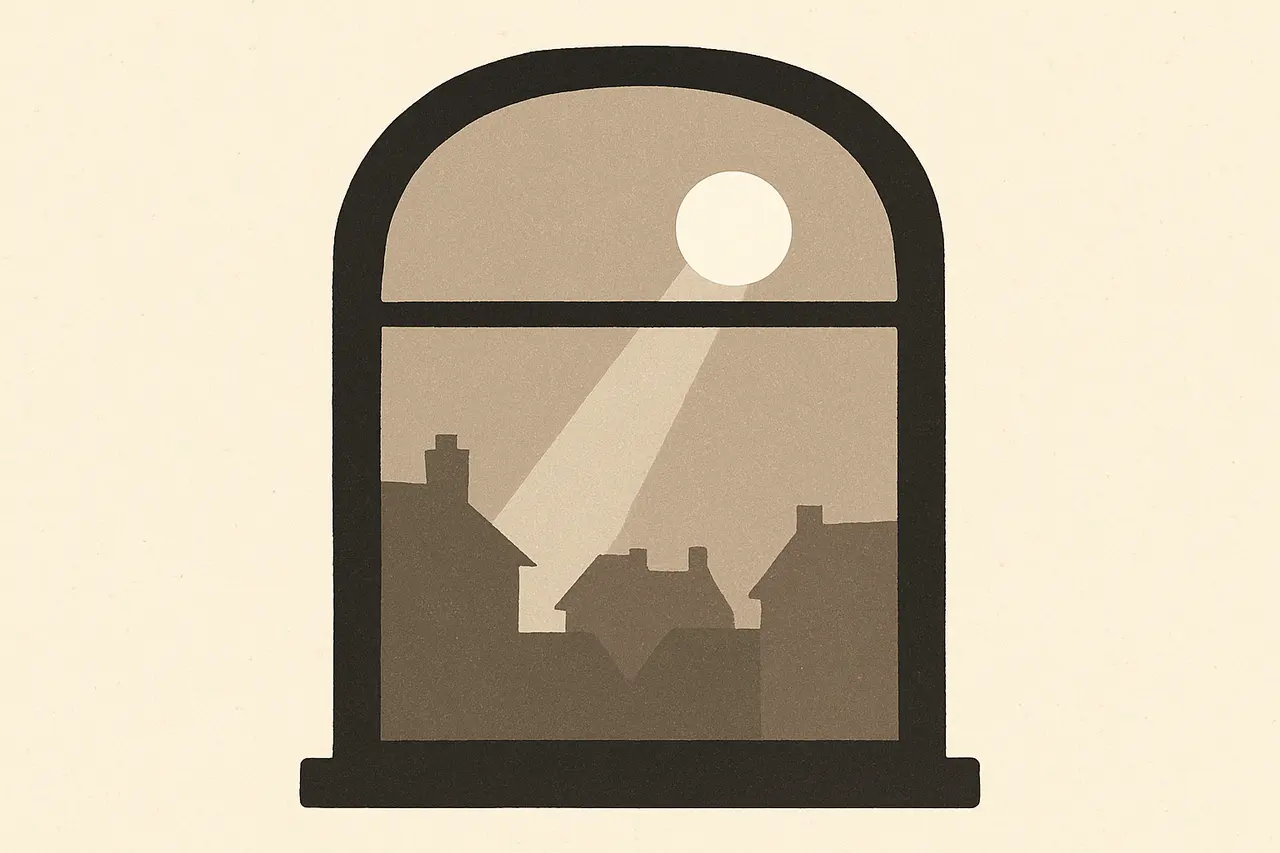
Around 1826 a French inventor captured a rooftop view that needed a full day of sun just to appear.
Sometime in 1826 or 1827, the French inventor Joseph Nicephore Niepce aimed a camera obscura out of an upstairs window of his country estate at Le Gras and made what survives as the world’s oldest camera photograph.
His process, which he called heliography (“sun writing”), used a pewter plate coated with light-sensitive bitumen of Judea, a kind of natural asphalt. Sunlight slowly hardened the bitumen where it struck; washing the plate then revealed a faint image of rooftops and countryside.
The exposure was extraordinarily long—the traditional estimate is about eight hours, long enough for the sun to swing across the sky and light both sides of the buildings. Niepce made few such pictures, and View from the Window at Le Gras is the only camera example known to survive. It now lives in a sealed, climate-controlled case at the Harry Ransom Center in Austin, Texas.
Sources & references
2 referencesWell-established. Corroborated by 2 independent sources.