NASA was created on July 29, 1958, in response to Sputnik
On this day · 29 July 1958
Eisenhower signed the Space Act on July 29, 1958, and NASA opened that October; it was very nearly called an 'agency'.
NASA was created on July 29, 1958, when President Dwight D. Eisenhower signed the National Aeronautics and Space Act, and it opened for business on October 1, 1958. Both dates are correct: the first is when the law passed, the second when the agency started work.
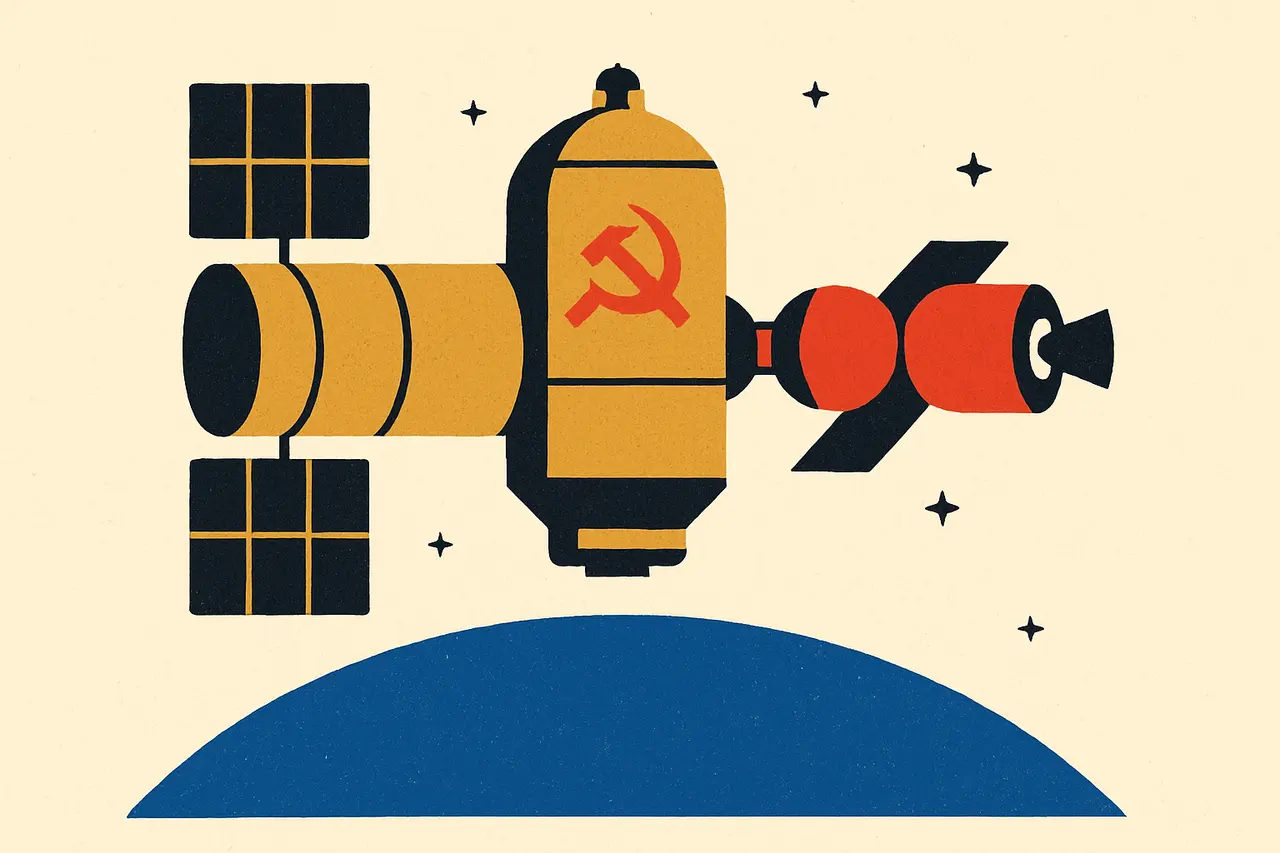
The trigger was Sputnik, launched by the Soviet Union in October 1957, followed two months later by the very public explosion of America’s Vanguard rocket on its pad. Eisenhower, a former general, wanted space run by civilians: rivalry between the armed services had, in NASA’s words, already shown a lack of results in launching a satellite.
From bill to agency
- April 2, 1958: Eisenhower asks Congress for a civilian space agency built on the existing National Advisory Committee for Aeronautics (NACA), founded in 1915.
- June 2 and June 16: the House and Senate pass their versions.
- July 16: Congress passes the final bill, shaped by a bipartisan panel led by Senator Lyndon B. Johnson.
- July 29: Eisenhower signs it.
- August 19: T. Keith Glennan is sworn in as NASA’s first administrator.
- October 1: NASA opens in temporary offices at Washington’s Dolley Madison House.
In his signing statement, Eisenhower called the law an historic step for American leadership in the space age. He said NACA’s staff and laboratories would form the new agency’s nucleus, and predicted that the act would matter even more than the 1915 law that had created NACA.
Why “Administration”, not “Agency”?
The “A” in NASA was nearly different. Eisenhower’s request was for a National Aeronautics and Space Agency. While the bill was being drafted, congressional analyst Eilene Galloway argued for calling it an Administration, a title that gave it broader authority to coordinate with the rest of government, and she won.
Sources & references
5 referencesWell-established. Corroborated by 3 independent sources.