Mercury is shrinking, and its radius has lost up to 7 km

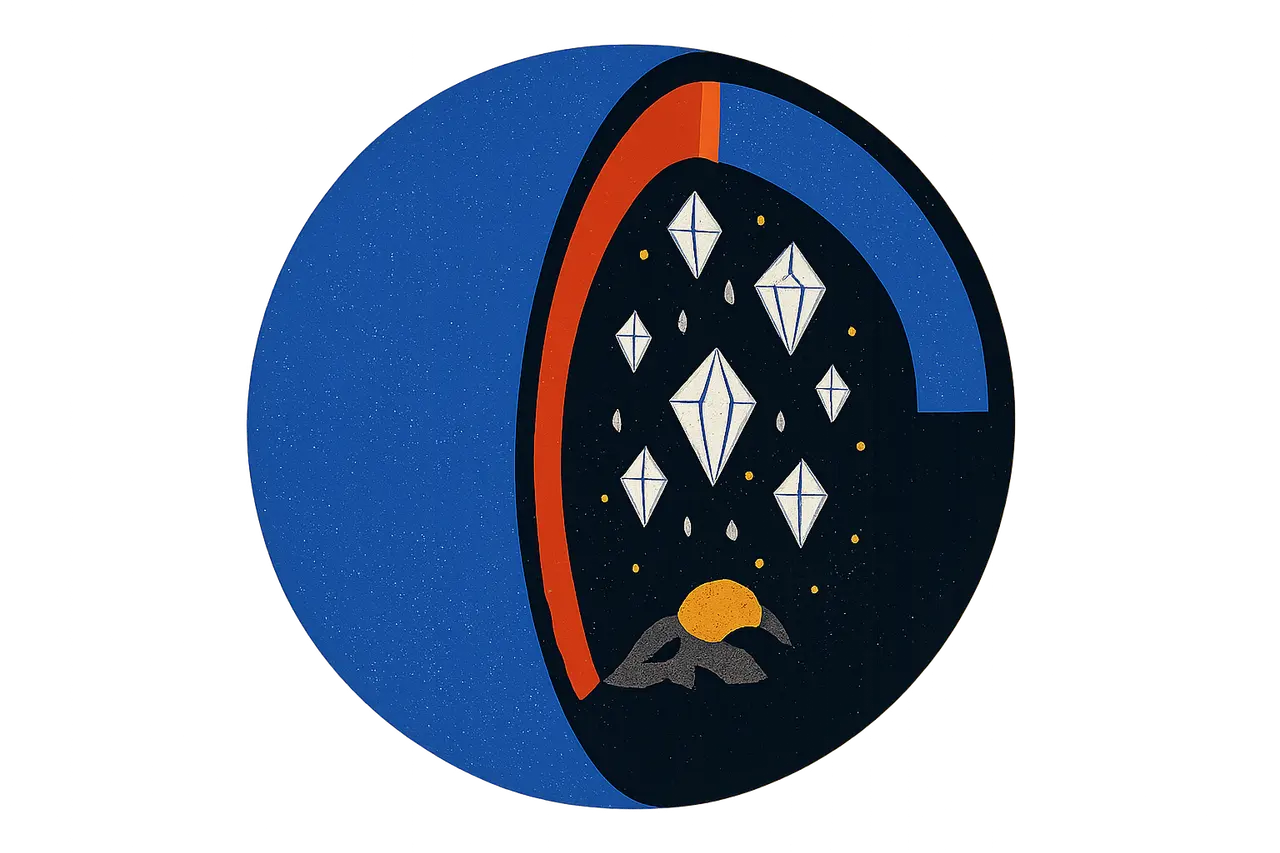
As its iron-rich interior cools, Mercury has contracted by as much as 7 km in radius, and small, fresh cliffs show it is still shrinking.
Mercury is shrinking: as its iron-rich interior cools, the planet contracts, and NASA’s MESSENGER mission showed its radius has shrunk by as much as 7 km over its history, buckling the surface into cliffs hundreds of kilometres long.
Mercury’s rigid outer shell is a single plate rather than Earth’s jigsaw of plates, so the squeeze has nowhere to go. Crust is pushed together until it breaks and one side rides up over the other along thrust faults, raising long cliffs called lobate scarps. The biggest, Enterprise Rupes, runs about 1,000 km, comparable to the San Andreas fault, with more than 3 km of relief.
The shrinking itself is old news: Mariner 10 photographed the scarps in the mid-1970s. The puzzle was the amount, and that is why the estimate jumped. For almost four decades the contraction measured from images, just 0.8 to 3 km of radius, fell far short of what models of Mercury’s cooling predicted. In 2014 a team that mapped almost 6,000 ridges and scarps in global MESSENGER data found much of the shrinkage hidden in long belts of folds and faults, and raised the figure to as much as 7 km, up to seven times earlier estimates. The paper noted an irony: Mercury’s landforms fit models of a globally contracting Earth that geologists proposed, then abandoned, before plate tectonics.
Is it still shrinking? In MESSENGER’s final months its orbit was allowed to sink, and the sharper images revealed small scarps under 10 km long with only tens of metres of relief. Landforms that small cannot survive long under meteoroid bombardment, so they must be young, a sign Mercury’s interior is still cooling and the planet is tectonically active, likely with its own “mercuryquakes.”
The next close look is imminent. The European-Japanese BepiColombo mission is due to enter orbit around Mercury on 21 November 2026, with science operations from April 2027; its laser altimeter, which will measure the planet’s topography, fired its first pulses in space in September 2026.
Sources & references
5 referencesWell-established. Corroborated by 5 independent sources.