Mariner 9 was the first spacecraft to orbit another planet
On this day · 13 November 1971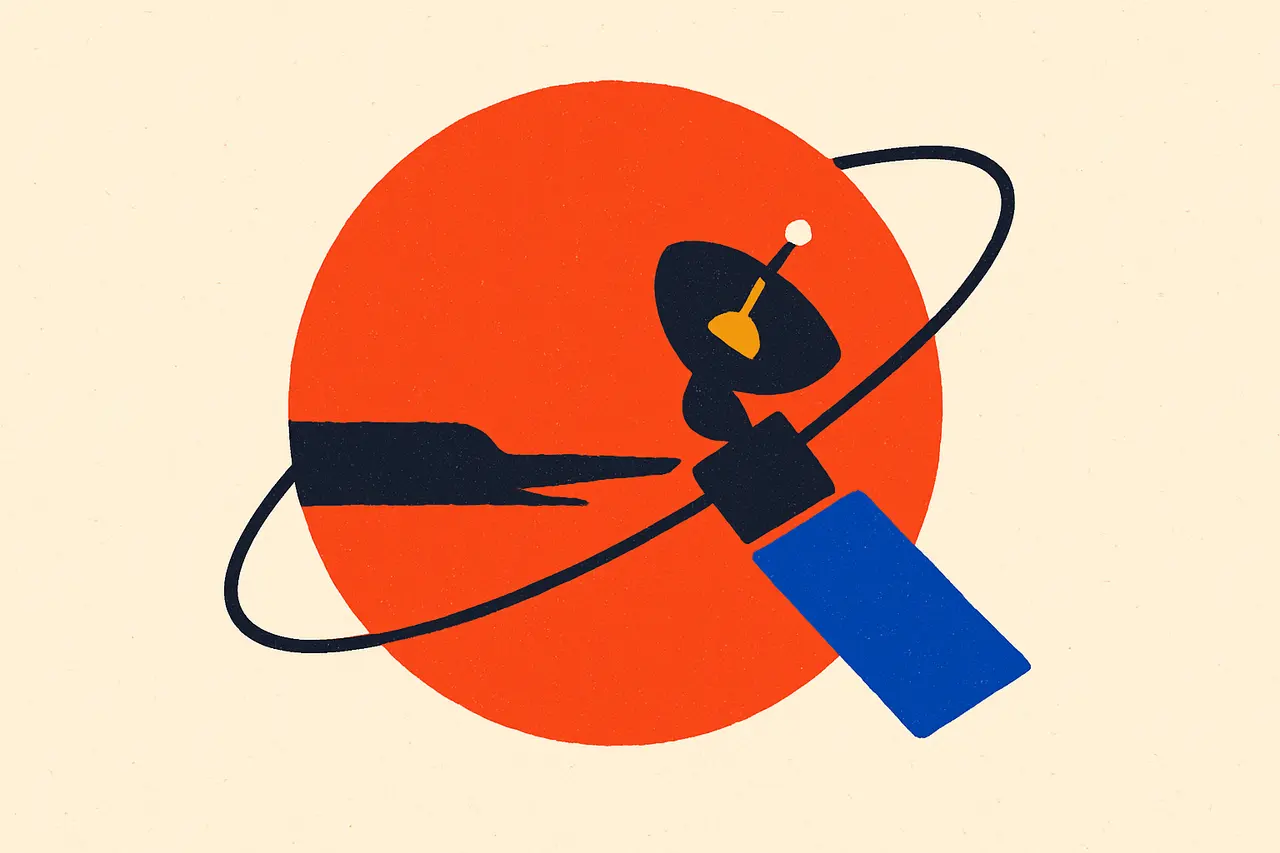
Mariner 9 reached Mars orbit on 13 November 1971, two weeks before the Soviet Mars 2, which had launched 11 days earlier.
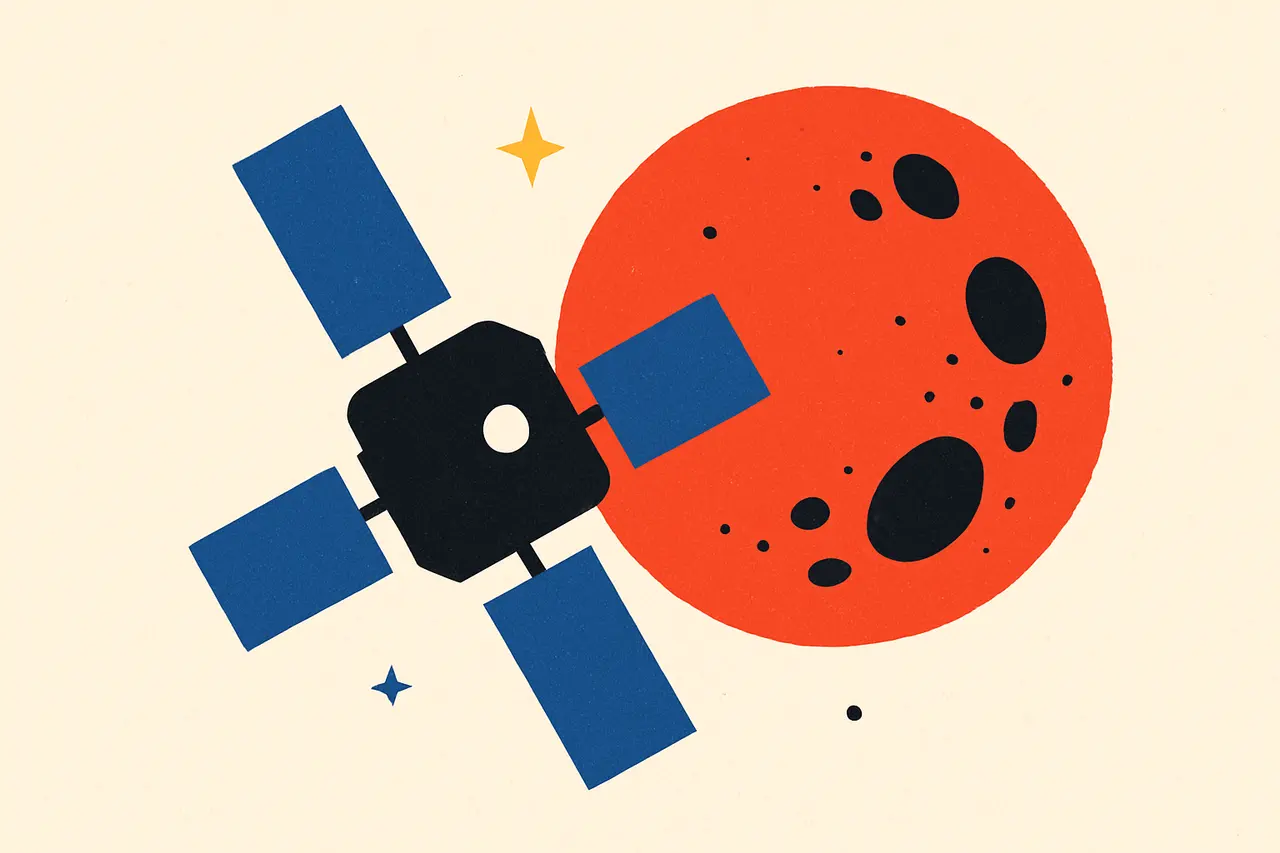
NASA’s Mariner 9 became the first spacecraft to orbit another planet when it entered orbit around Mars on November 13, 1971, beating two Soviet orbiters that had left Earth before it. The date varies by source because of time zones: NASA’s mission record logs the 915.6-second engine burn at 00:18 UT on November 14, which was still the afternoon of November 13 in California, where JPL ran the mission.
It was a race to Mars orbit, and Mariner 9 was meant to run it as one of a pair. Its twin, Mariner 8, fell into the Atlantic after its Centaur upper stage failed in May 1971; engineers blamed a faulty diode, fixed Mariner 9’s rocket and launched it on May 30 with both spacecraft’s goals.
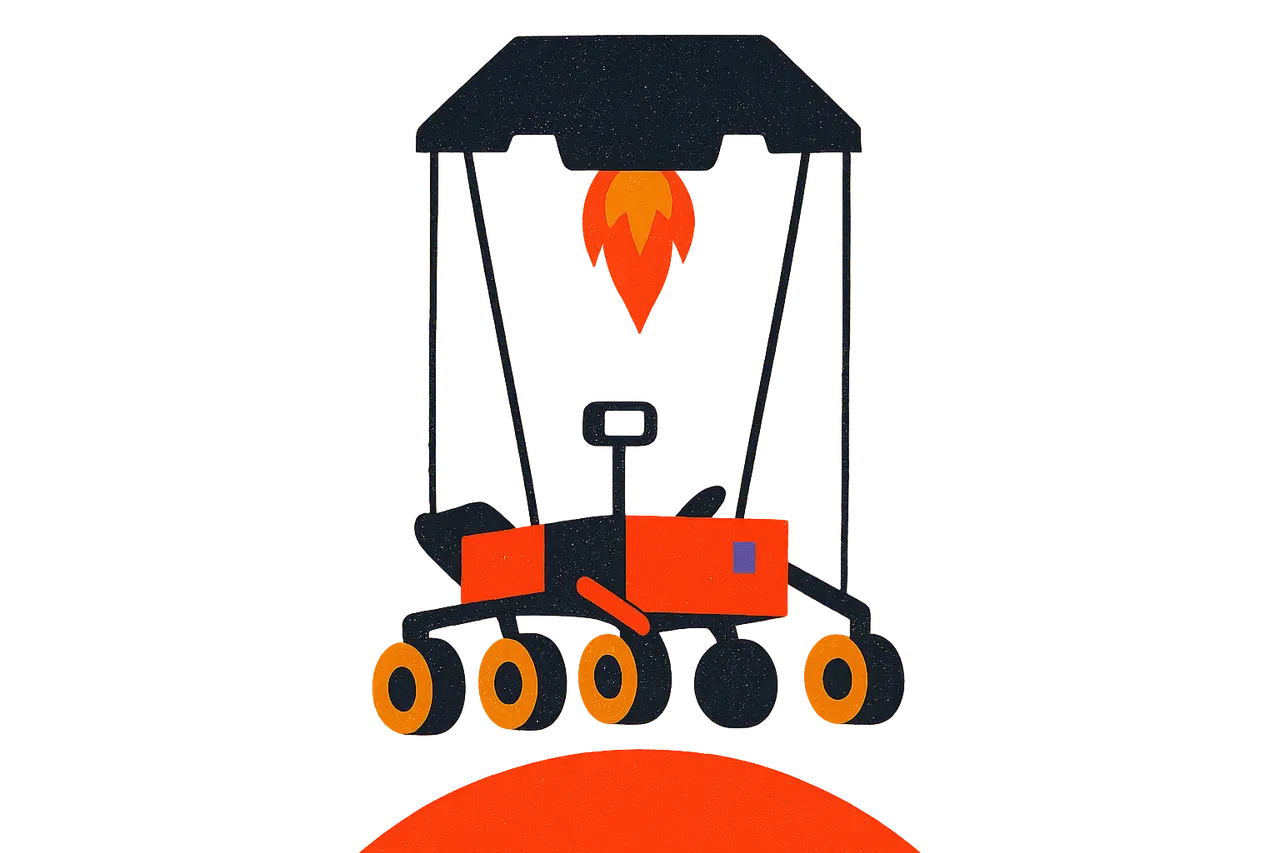
The Soviet Union sent three craft. One stalled in Earth orbit and was renamed Kosmos 419 to hide its purpose. Mars 2 launched on May 19, an 11-day head start, but did not arrive until November 27; Mars 3 followed on December 2. Mariner 9’s 167-day cruise won by two weeks. Mars 2’s lander crashed, becoming the first spacecraft to reach the Martian surface, and Mars 3’s lander made the first soft landing but fell silent after 20 seconds.
Mariner 9 arrived to find a global dust storm: only the south polar cap and a dark spot poked through. While it waited for the dust to settle, it took the first detailed images of the moons Phobos and Deimos. The dark spots turned out to be volcano summits, the largest being Olympus Mons.
By its last contact on October 27, 1972, when it ran out of attitude-control gas, Mariner 9 had returned 7,329 images, mapped 85% of Mars and found Valles Marineris, a canyon system about 2,500 miles long, nearly the east-west width of the continental United States. Its maps helped pick Viking’s landing sites. The silent orbiter was left circling Mars; NASA expected it to crash onto the surface around 2020.
Sources & references
5 referencesWell-established. Corroborated by 4 independent sources.