Many famous dinosaurs were covered in feathers
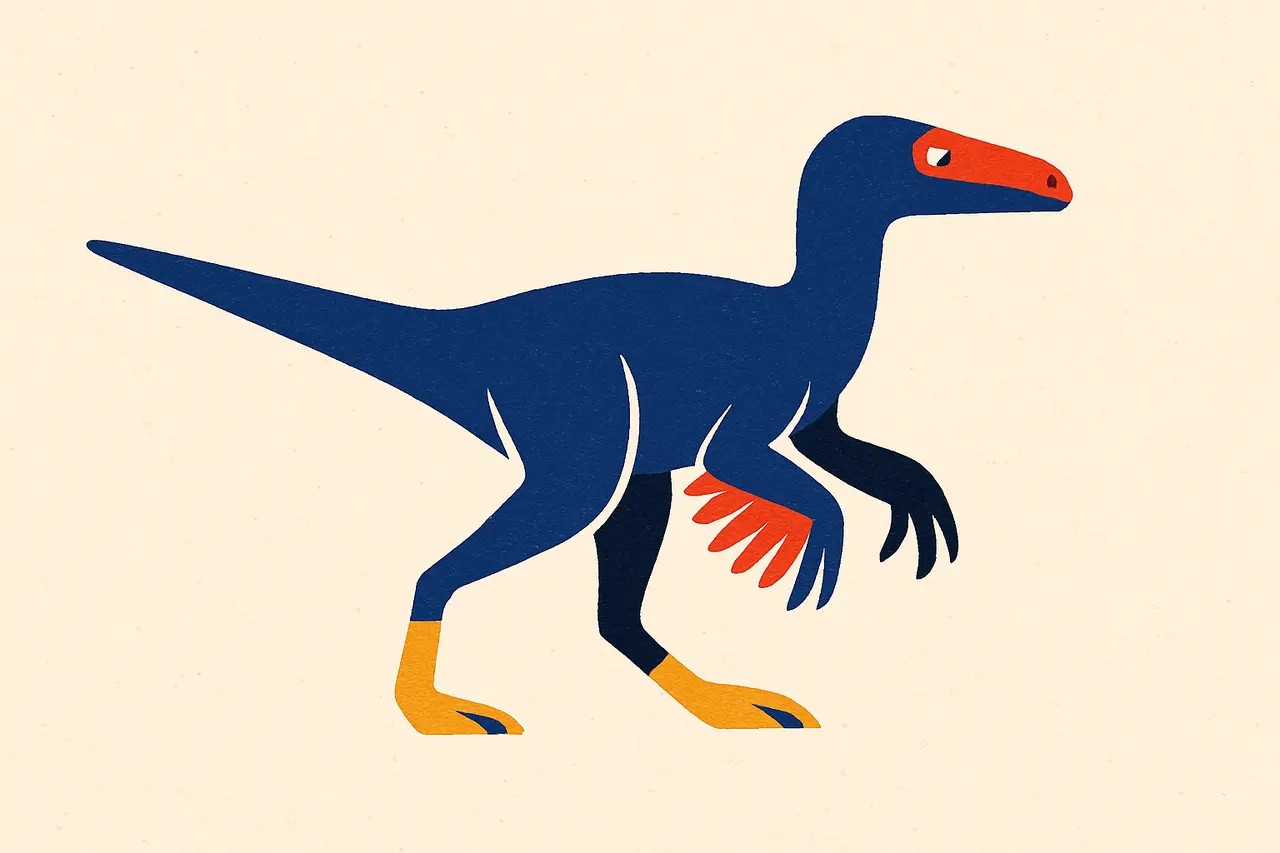
Fossils from China show feathers appeared long before flight—meaning some of the most fearsome dinosaurs were fuzzy, even shaggy.
The scaly, reptilian monster of old movies is largely out of date. Exceptional fossils—many from China—have revealed that feathers were widespread among the meat-eating dinosaurs, and that they showed up long before any animal used them to fly.
The first clear case was Sinosauropteryx, found cloaked in a fuzz of simple filaments often called “protofeathers.” It couldn’t fly and didn’t need to; the covering almost certainly served for insulation and display instead.
The evidence reaches the dinosaurs you know best. Paleontologists found quill knobs—small bumps on the forearm bone where feather shafts anchor—on a fossil Velociraptor, proving the famous predator bore true feathers on its arms even though it could not fly.
“Finding quill knobs on Velociraptor means that it definitely had feathers,” the 2007 study’s lead author concluded.
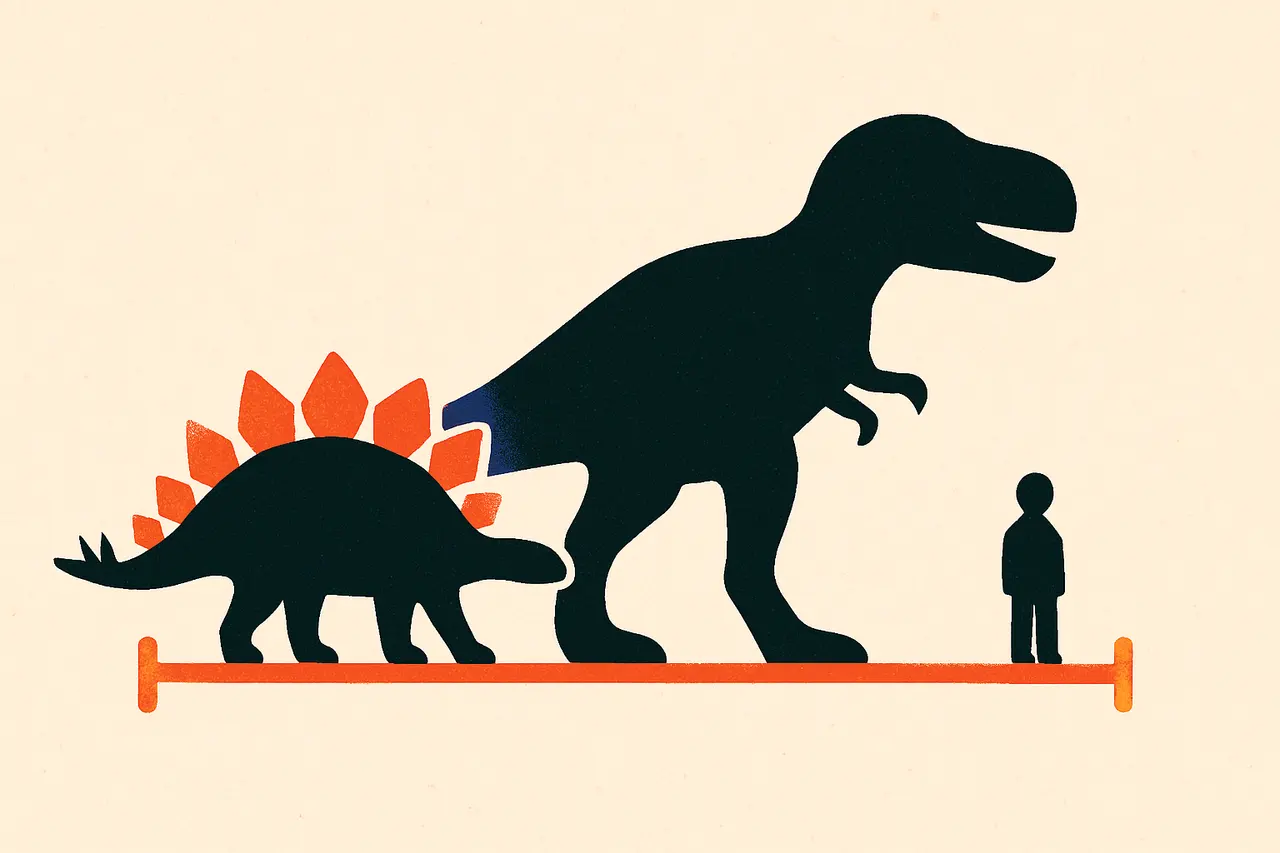
Some were enormous: Yutyrannus, a relative of T. rex the size of a small car, wore a coat of long, shaggy filaments. Birds, it turns out, are living dinosaurs—and they inherited their plumage from ancestors who grew it for warmth and show, not for the sky.
Sources & references
2 referencesWell-established. Corroborated by 2 independent sources.