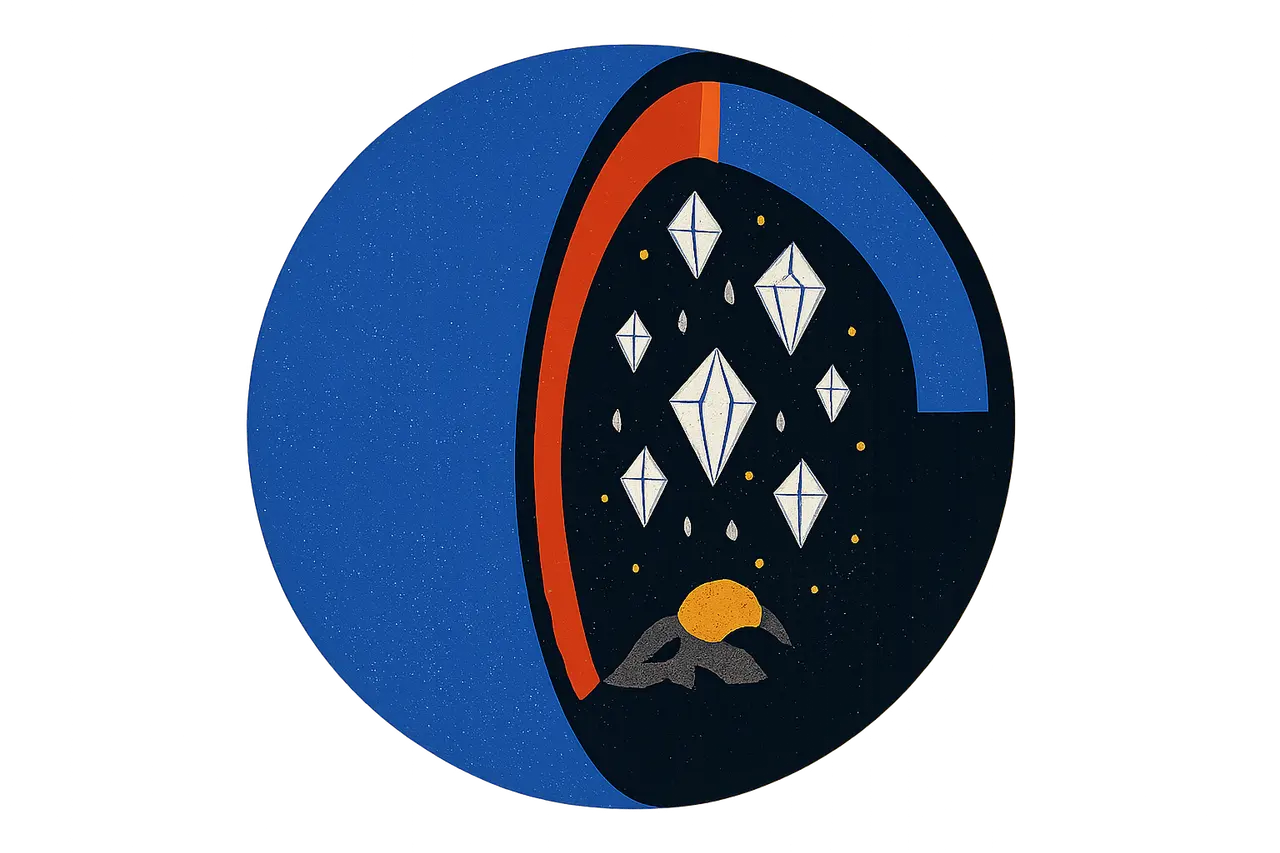
The Allende meteorite holds the solar system's oldest solids
On this day · 8 February 1969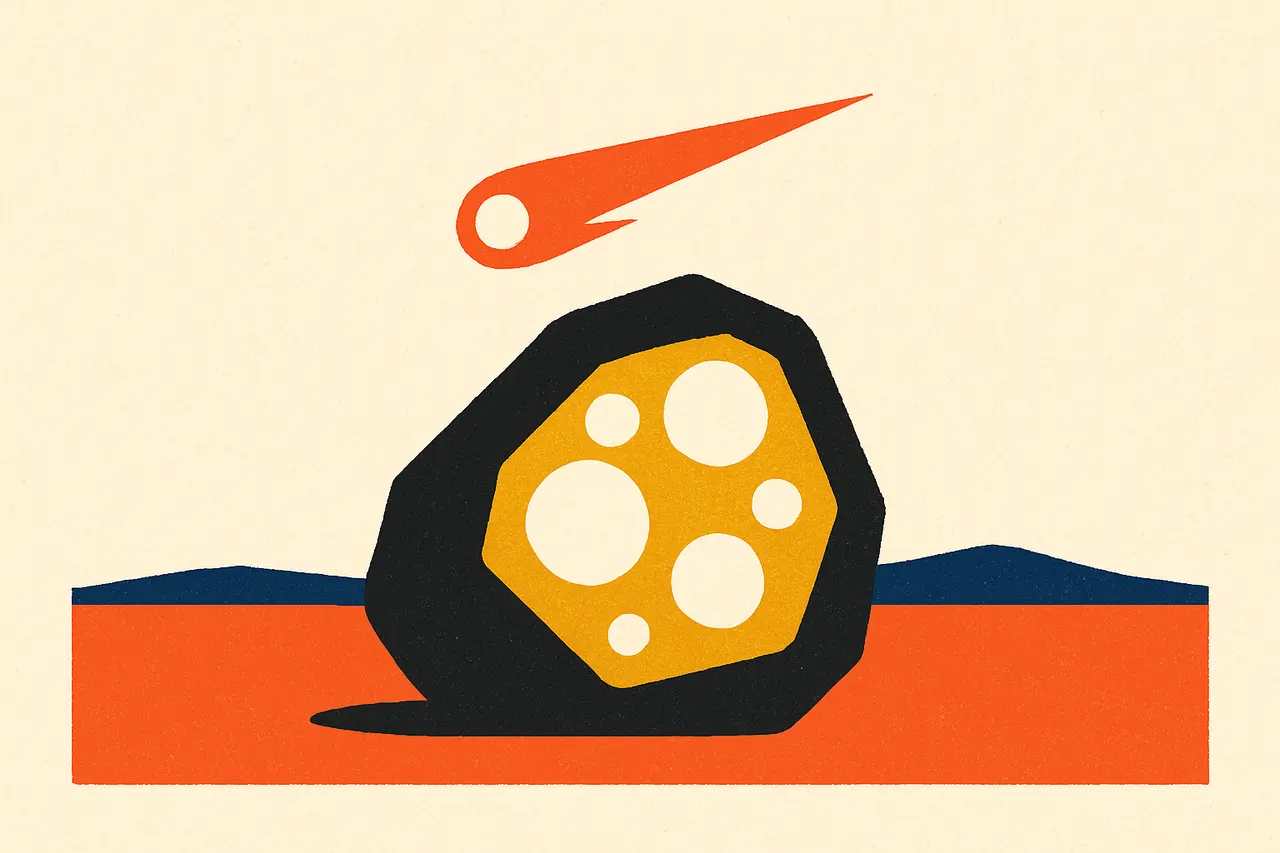
The car-sized rock that burst over Chihuahua in 1969 carries grains dated to 4,567 million years, and it is still rewriting the solar system's history.
The Allende meteorite, which exploded over Chihuahua, Mexico, on February 8, 1969, contains some of the oldest solids in the solar system: calcium-aluminium-rich inclusions, or CAIs, dated to about 4.567 billion years ago.
The rock, estimated at about the size of a car and nearly two tons, broke apart in the air and showered hundreds of fragments around the village of Pueblito de Allende. It landed five months before Apollo 11, and so many pieces were collected for study that it is possibly the most studied meteorite of all time, referenced in more than 14,000 peer-reviewed papers. It even holds presolar grains older than the Sun.
The 4.567 figure comes from the CAIs themselves, mineral grains forged by high-temperature processes, including condensation, in the disk of gas and dust around the newborn Sun. Their age comes from the slow decay of uranium into lead. Researchers at the Paris Geophysical Institute measured Allende CAIs at 4,566 ± 2 million years; later lead-lead work on CAIs from another meteorite, Efremovka, sharpened that to 4,567.2 ± 0.6 million years.
So “4.56”, “4.57” and “4.567 billion years”, all common online, describe the same objects at different precision. Lead dating also puts CAIs about 2.5 million years ahead of chondrules, the once-molten droplets that fill such meteorites, which is why CAIs serve as the solar system’s oldest dated solids.
“I chose the Allende CAI because most of what we know about CAIs has come from the Allende meteorite.” (Justin Simon, NASA Johnson Space Center, 2011)
Allende is still producing results. In 2011 a team led by Simon, a former UC Berkeley postdoctoral fellow, used a NanoSIMS ion microprobe to read oxygen isotopes across a single pea-sized Allende CAI. Its layers recorded wildly different environments, evidence that the grain formed near the Sun, wandered outward, and came back as dust swirled through the disk that built the planets.
Sources & references
4 referencesWell-established. Corroborated by 4 independent sources.