Krakatoa's 1883 eruption was so loud it circled the planet
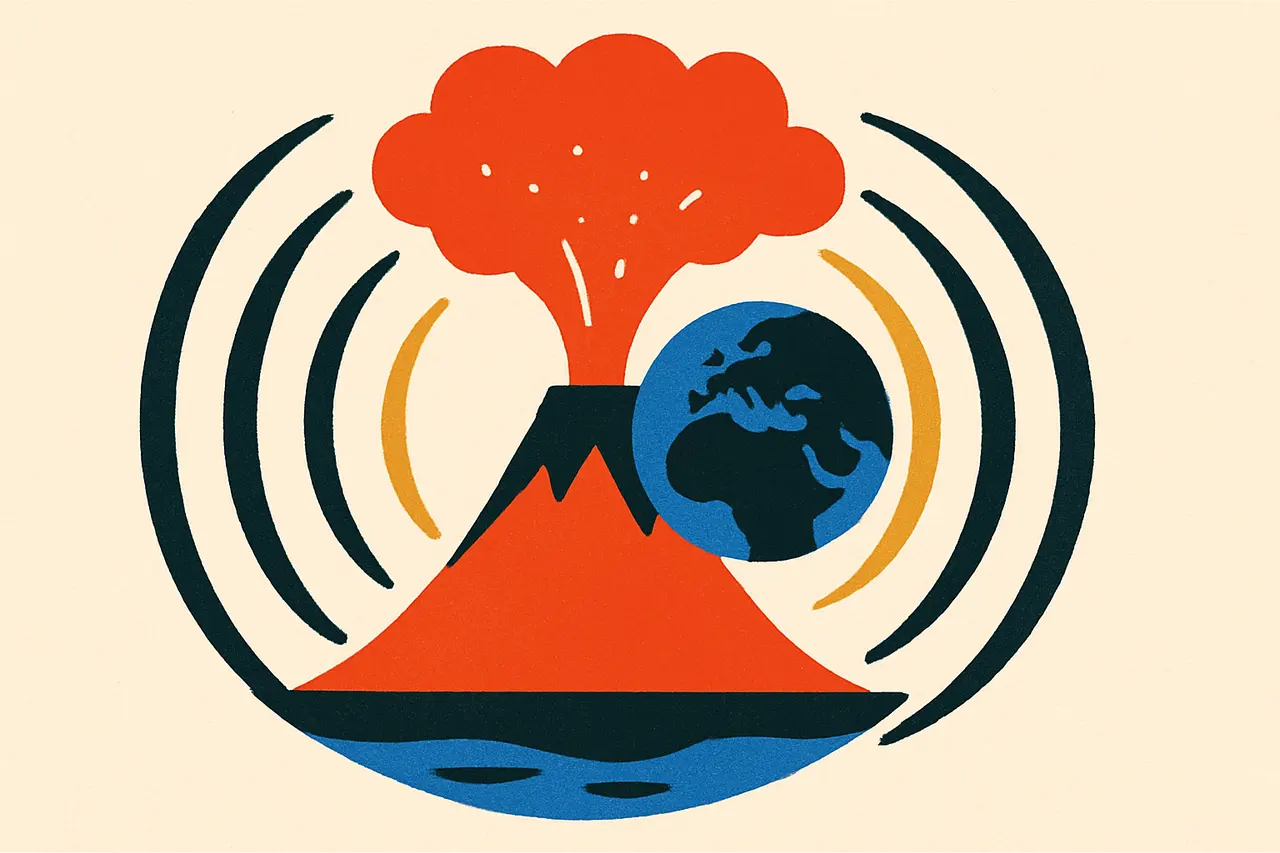
The blast was heard 3,000 miles away, and its pressure wave lapped the Earth more than three times.
On 27 August 1883, the Indonesian volcano Krakatoa tore itself apart in a series of explosions. The largest is often called the loudest sound in recorded history. About 100 miles away, the pressure pulse is estimated to have reached roughly 172 decibels — past the threshold that ruptures human eardrums, and a barometer 100 miles off spiked off its scale. Sailors aboard a ship in the Sunda Strait reported burst eardrums from the blast.
The sound was heard roughly 3,000 miles (4,800 km) away on the island of Rodrigues near Mauritius, where it registered as the distant boom of heavy guns. The same explosion launched an atmospheric pressure wave that circled the globe more than three times; barographs worldwide recorded it passing seven times over five days as it traveled to the planet’s far side and back.
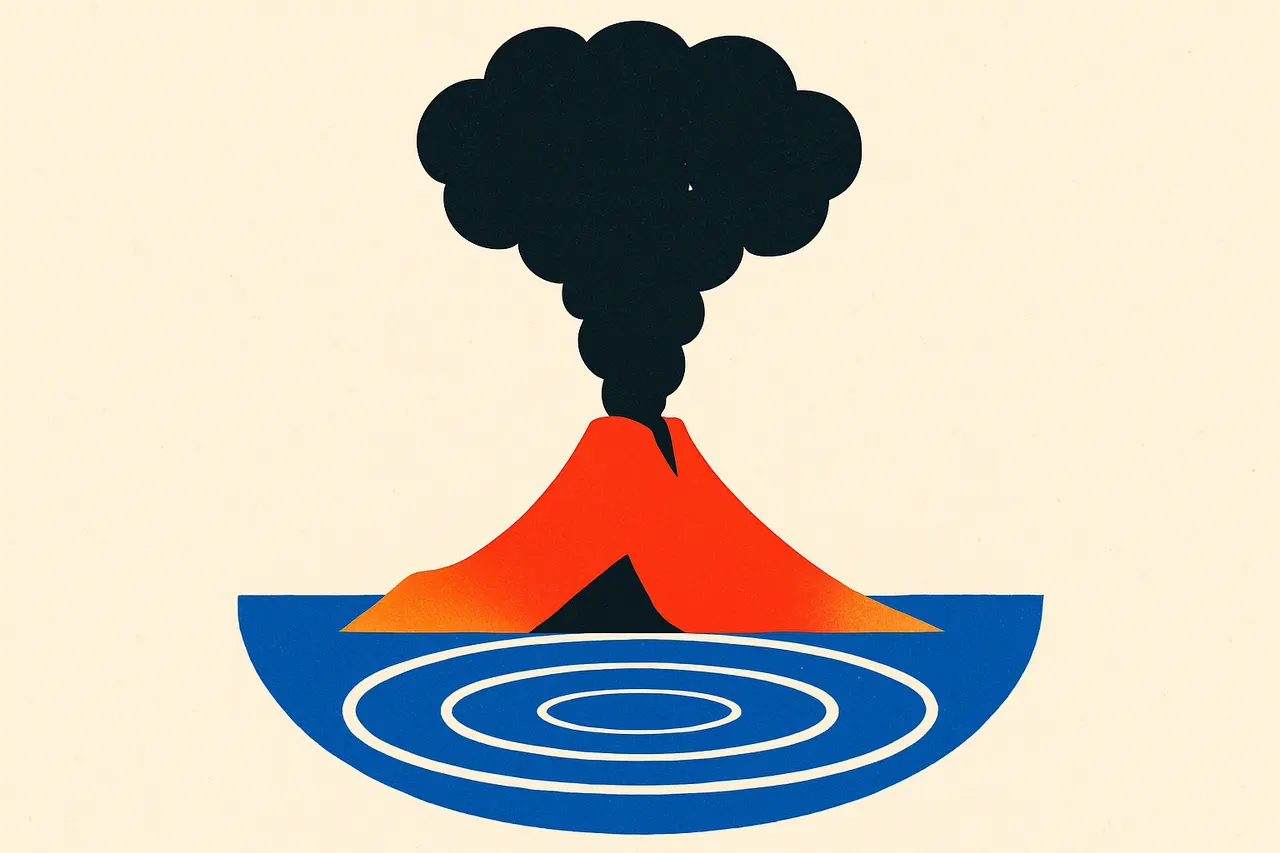
The blast itself came from the volcano’s collapse: as the emptying magma chamber gave way, seawater poured into the white-hot caldera and flashed instantly to steam, driving cataclysmic explosions. Those collapses spawned tsunamis up to 30-plus meters high that swept the coasts of Java and Sumatra and caused most of the roughly 36,000 deaths.
The eruption’s reach went further still. Ash and sulfur veiled the stratosphere, painting vivid red and orange sunsets across the globe for months — skies some scholars link to the lurid backdrop of Edvard Munch’s The Scream — while the haze measurably cooled the planet for years afterward.
Sources & references
2 referencesWell-established. Corroborated by 2 independent sources.