Kepler's 1604 supernova: the last one seen in the Milky Way
On this day · 9 October 1604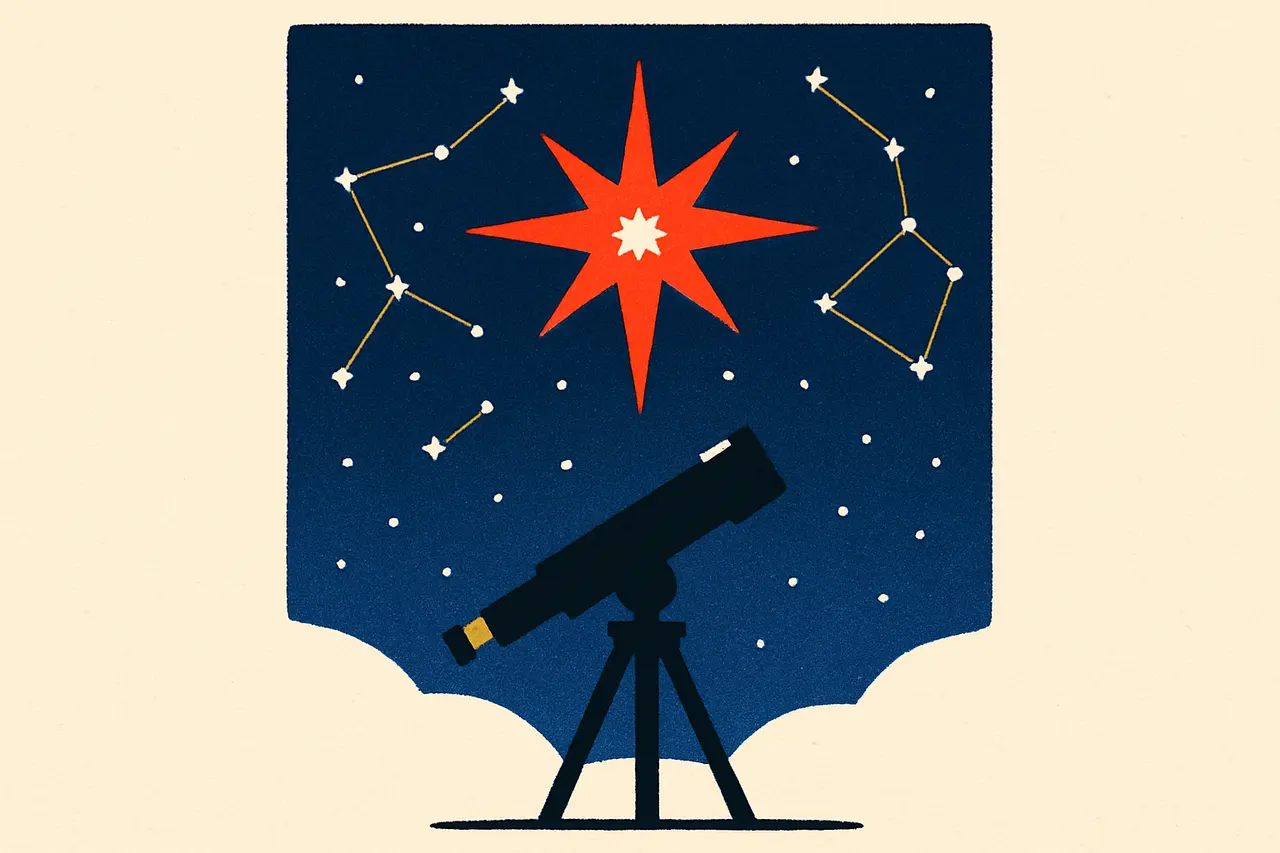
SN 1604 outshone Jupiter for weeks and is the last supernova in our galaxy seen by eye, but not the last to explode.
Kepler’s Supernova (SN 1604) first appeared on October 9, 1604, in the constellation Ophiuchus, and it remains the last supernova in our own galaxy seen with the naked eye. It peaked at magnitude −2.5, outshining Jupiter, stayed visible in daylight for weeks, and could be followed by eye for some 18 months.
Despite the name, Kepler didn’t see it first. Italian astronomer Lodovico delle Colombo recorded it on October 9; Johannes Kepler, working in Prague, heard rumours of the new star but only observed it from October 17. He then tracked it for over a year with the naked eye alone, since Galileo would not turn a telescope to the sky until four years after it faded.
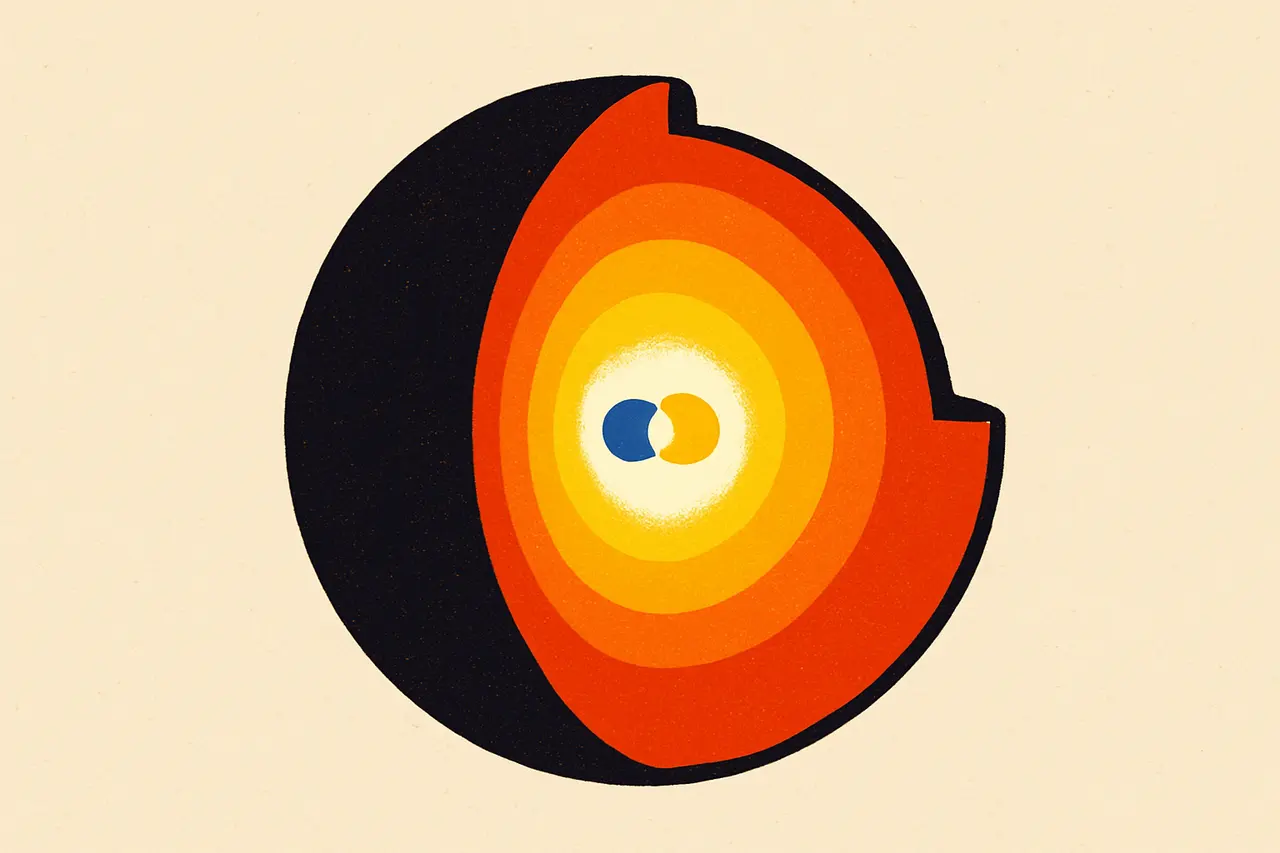
In 1606 Kepler published De Stella nova in pede Serpentarii (“On the New Star in Ophiuchus’ Foot”). That record is why the star bears his name, and his observations later led astronomers to class it as Type Ia: the thermonuclear explosion of a white dwarf, roughly 20,000 light-years away.
NASA and many other sources call SN 1604 the last supernova to occur in the Milky Way. Strictly, it is only the last one anyone saw, not the most recent. Cassiopeia A, about 330 years old, is younger. In 2008 NASA’s Chandra X-ray Observatory identified G1.9+0.3, the remnant of an explosion whose light reached Earth only about 140 years earlier, in the 19th century. Nobody noticed it because it lay near the galactic centre behind gas and dust that made it about a trillion times fainter in visible light.
So Kepler’s star holds the naked-eye record, not the recency one. The next supernova bright enough to see unaided, SN 1987A, erupted in the Large Magellanic Cloud, a satellite galaxy of the Milky Way.
Sources & references
4 referencesWell-established. Corroborated by 4 independent sources.