We've watched CO₂ rise every year since 1958
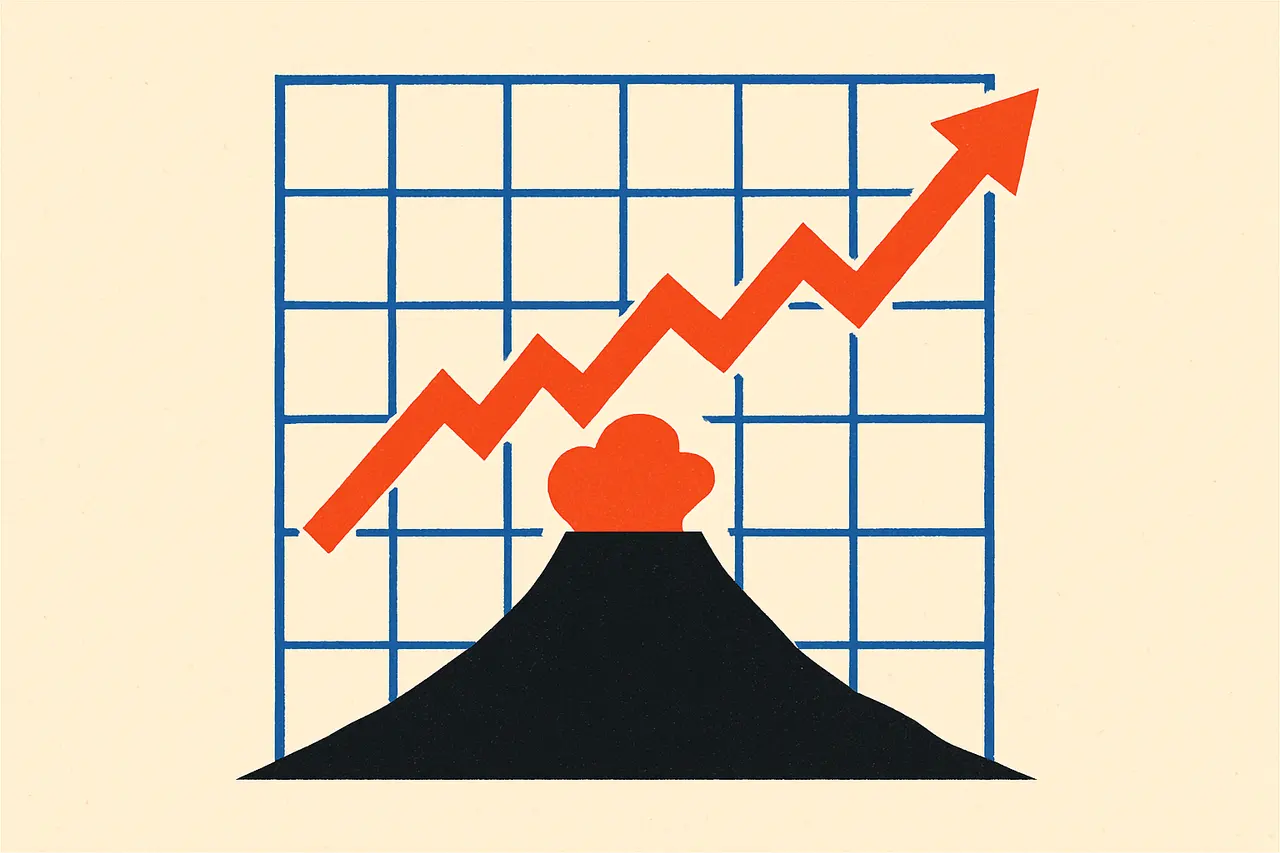
From a single instrument on a Hawaiian volcano, the Keeling Curve has tracked atmospheric carbon dioxide climbing for nearly seven decades.
In March 1958, scientist Charles David Keeling of the Scripps Institution of Oceanography switched on a CO₂ analyzer at the Mauna Loa Observatory in Hawaii. Its first reading was about 313 parts per million. He chose that lonely volcanic summit on purpose: perched high above the Pacific, far from cities, forests and smokestacks, it samples air that has mixed for thousands of miles, giving a clean reading of the global background rather than any local plume.
The record almost didn’t survive. Keeling fought recurring funding battles — budget cuts nearly shut the program down more than once across the decades — yet the measurements never stopped. What he captured became arguably the single most iconic dataset in all of climate science.
The data also reveals the planet “breathing.” CO₂ dips each Northern Hemisphere spring and summer as forests leaf out and pull carbon from the air, then rises again as they go dormant in fall and winter — a seasonal sawtooth that traces the rhythm of the world’s vegetation, most of which sits north of the equator.
It is the longest continuous instrumental record of atmospheric CO₂, and one of the clearest fingerprints of human influence on the air.
That sawtooth rides atop a relentless climb. From around 280 ppm before the Industrial Revolution, CO₂ has now pushed past 420 ppm — roughly a 50% increase — and the line, the Keeling Curve, keeps bending upward year after year.
Sources & references
2 referencesWell-established. Corroborated by 2 independent sources.