Klondike gold claims were staked on Bonanza Creek
On this day · 17 August 1896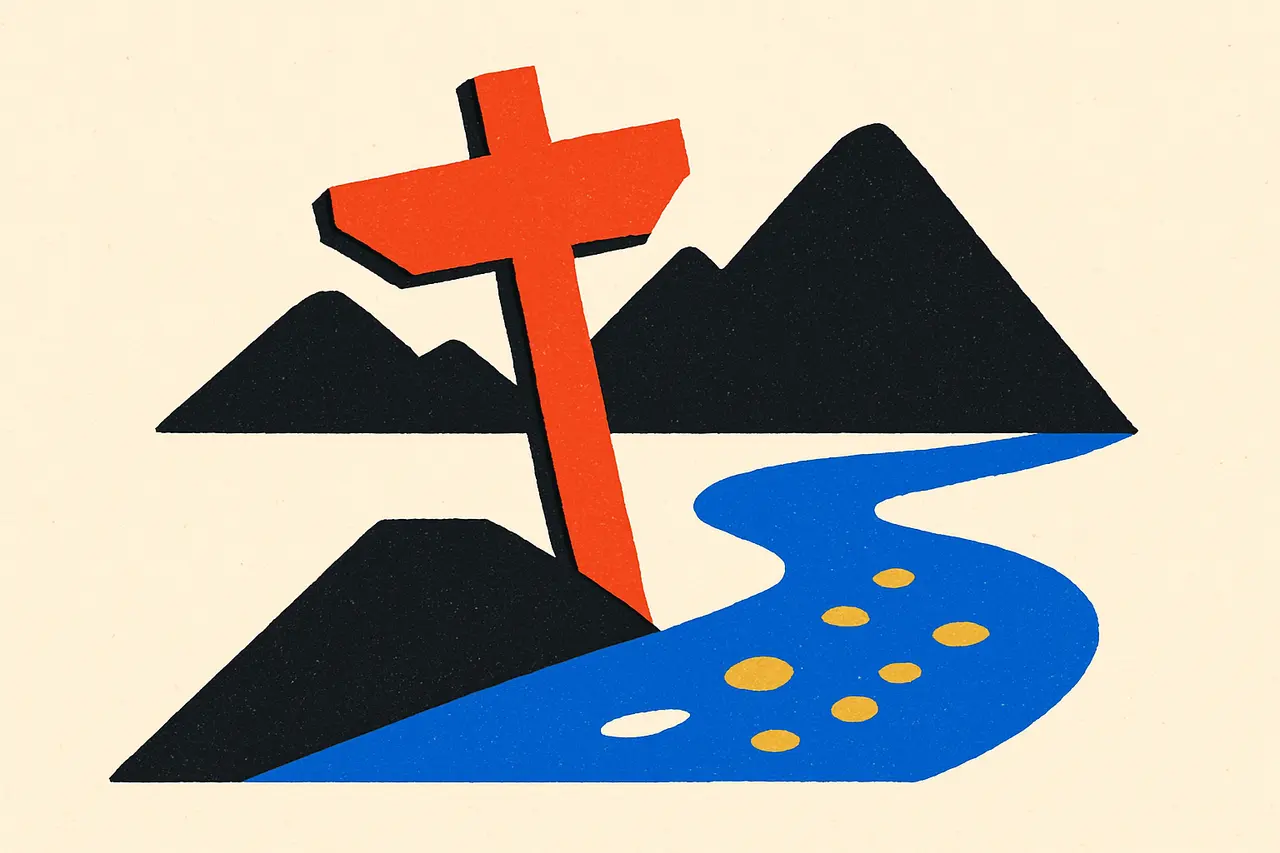
A day after a glint in a Yukon creek bed, three prospectors pounded in stakes that would launch one of history's great gold rushes.
On August 17, 1896, George Carmack and his two Tagish companions, Skookum Jim and Tagish Charlie, staked their claims on a creek they would rename Bonanza — the day after spotting gold glinting in its bank. The waterway, a tributary of the Klondike River in Canada’s Yukon, had been known until then as Rabbit Creek.
The trio later agreed it was likely Skookum Jim who first found the gold, but they let Carmack file as the official discoverer, fearing authorities would not recognize an Indigenous claimant.
Word of the strike crawled out of the wilderness slowly — it took nearly a year before the outside world caught the fever.
When news finally reached Seattle and San Francisco in 1897, roughly 100,000 people set out for the Klondike, though only a fraction completed the brutal journey over the mountain passes. The stakes driven in that August afternoon marked the start of the Klondike Gold Rush.
Sources & references
2 referencesWell-established. Corroborated by 2 independent sources.