In 1971, the US dollar stopped being convertible to gold
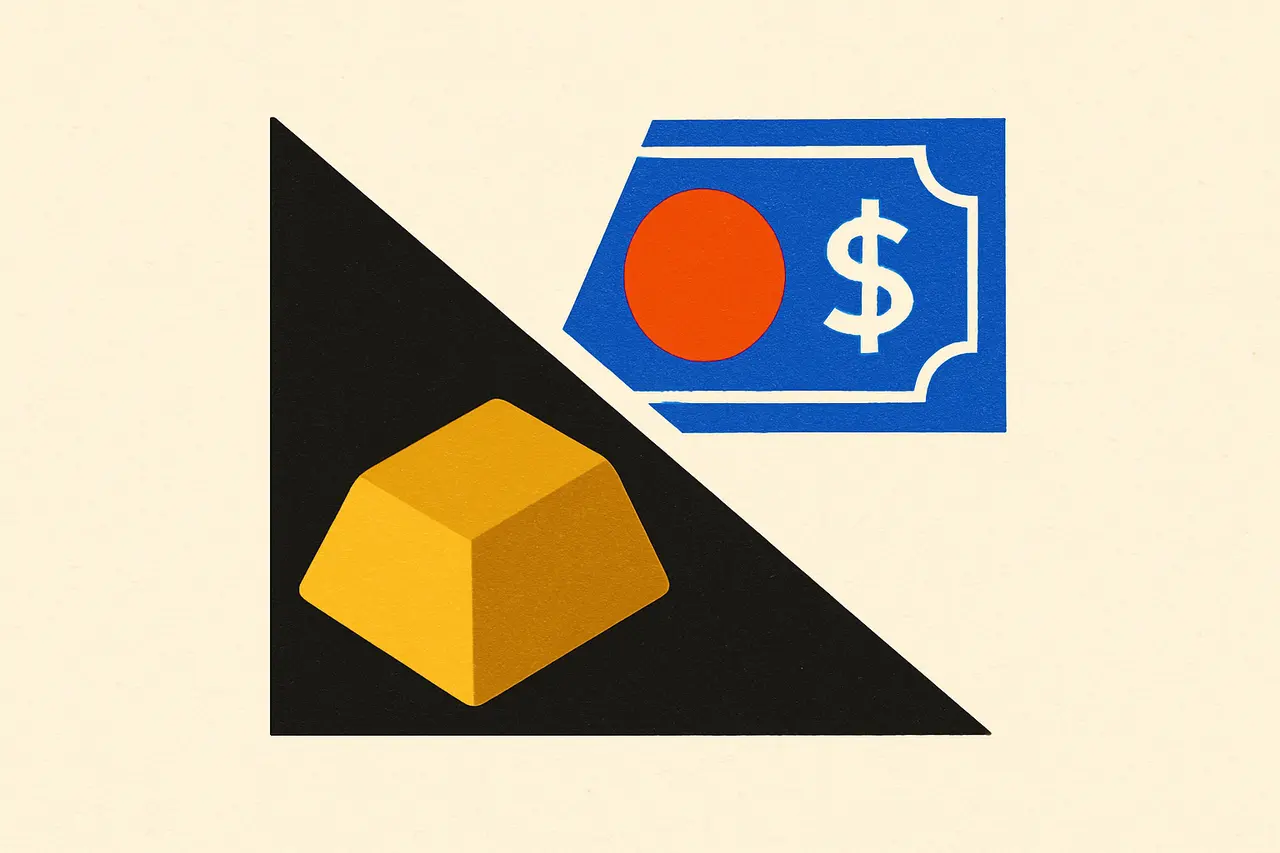
For decades the dollar was redeemable for gold at a fixed price. One August evening, President Nixon ended that - and the modern money system was born.
After World War II, the Bretton Woods system anchored global money to gold through the dollar. The US fixed the dollar at the congressionally-set price of $35 per ounce of gold, and other countries pegged their currencies to the dollar. In effect, the dollar was as good as gold.
The arrangement carried a built-in flaw economists call the Triffin dilemma. To supply the rest of the world with the dollars it needed for trade and reserves, the US had to run persistent deficits — sending more dollars abroad than it could ever redeem. The more dollars circulated, the less plausible it became that every one could actually be swapped for metal. The promise and the supply pulled in opposite directions.
By the late 1960s that gap was glaring, and foreign governments grew nervous. France, under Charles de Gaulle, led others in demanding gold for their dollars, steadily draining US reserves. On August 15, 1971, President Richard Nixon went on television and suspended convertibility — the “Nixon Shock.” It was announced as a temporary measure.
The suspension of the dollar’s convertibility into gold.
It proved permanent. The fixed-rate system formally collapsed by March 1973, when major economies let their currencies float. Since then the world has run on fiat money — backed by government decree and public trust rather than metal. Freed from a gold anchor, central banks could expand the money supply at will, fueling a debate that still rages over whether fiat regimes invite inflation and instability or simply give policymakers the flexibility a modern economy needs.
Sources & references
2 referencesWell-established. Corroborated by 2 independent sources.