Earth has only one ocean — and it's mostly unexplored
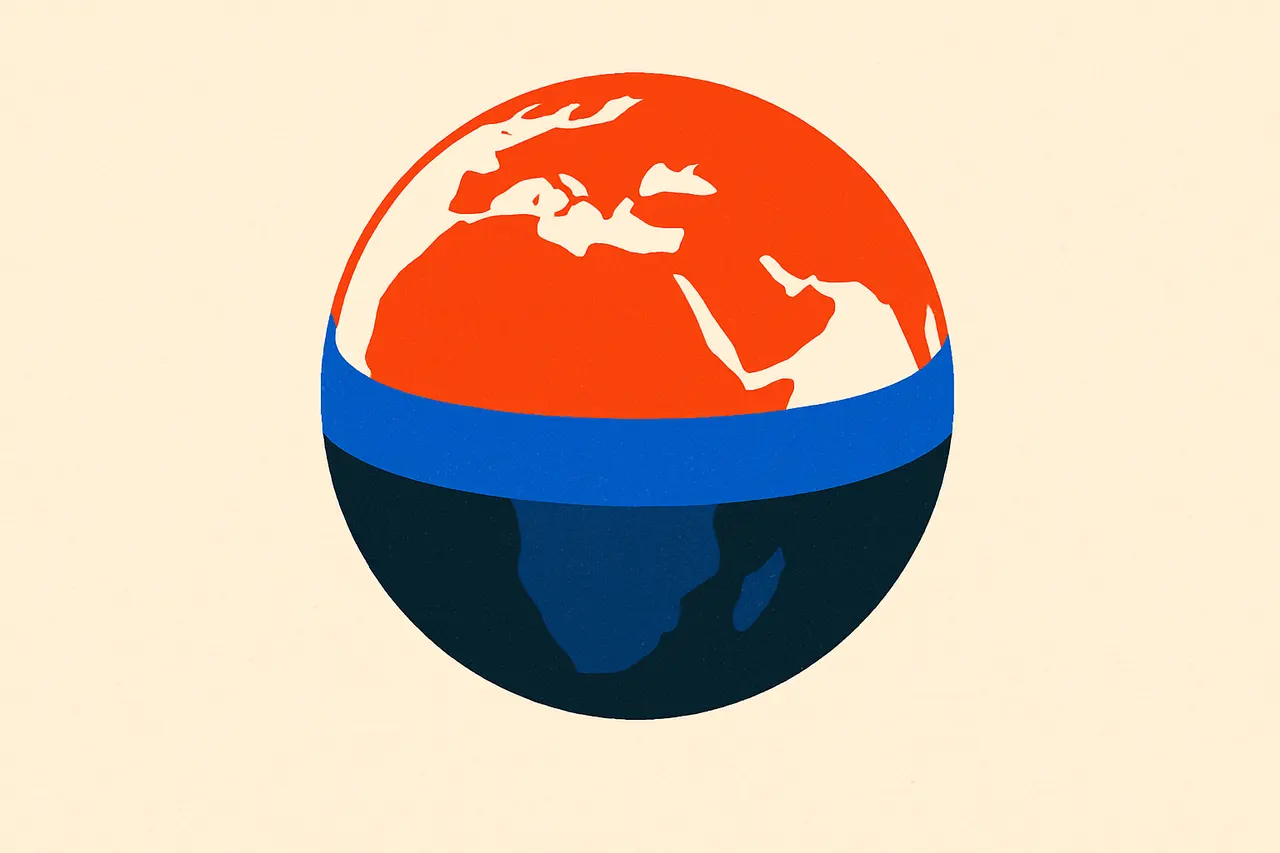
The five named oceans are really one connected body of water, and we've mapped Mars and the Moon better than its seafloor.
We talk about the Atlantic, the Pacific, the Indian, the Arctic, and the Southern oceans as if they were separate seas. They aren’t. Those are human labels drawn onto a single, continuous body of saltwater that wraps around the whole planet. As the U.S. National Ocean Service puts it plainly: there is only one global ocean.
Water you could drift from any point in that ocean to any other without ever crossing land. It covers about 71% of Earth’s surface and holds the overwhelming majority of the planet’s living space — yet it remains astonishingly unknown to us.
It has been said that we have more complete maps of the surface of Mars or the Moon than we do of Earth.
That’s not poetic exaggeration. Only a small fraction of the seafloor has been mapped in high resolution by ships dragging sonar, and humans have directly observed a vanishingly tiny slice of the deep. Water is the obstacle: it absorbs and scatters light within a few hundred meters, so the satellite cameras that photographed every crater on the Moon are useless for seeing the bottom of the sea.
The result is a strange asymmetry. We have detailed atlases of worlds tens of millions of miles away, while most of our own planet’s largest feature — one ocean, not five — sits in the dark, unmapped and unvisited.
Sources & references
2 referencesWell-established. Corroborated by 2 independent sources.