One bacterium survives radiation that would kill a human thousands of times over
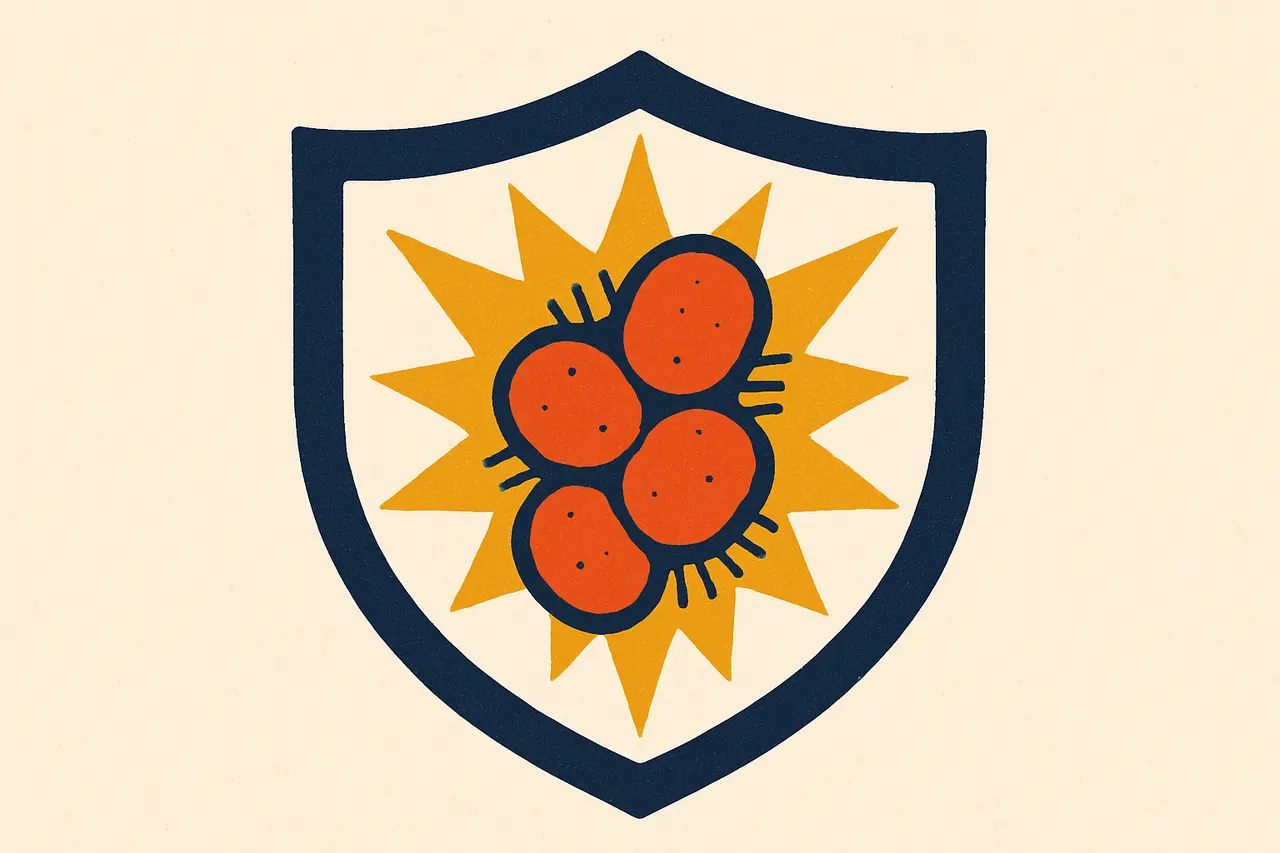
Nicknamed "Conan the Bacterium," Deinococcus radiodurans shrugs off doses of radiation that shatter its own DNA into hundreds of pieces.
About 5 grays of ionizing radiation will kill a person. The bacterium Deinococcus radiodurans survives 5,000 grays with almost no losses and endures 12,000 grays or more — radiation tens of thousands of times the human lethal dose. Guinness World Records crowned it the most radiation-resistant lifeform known.
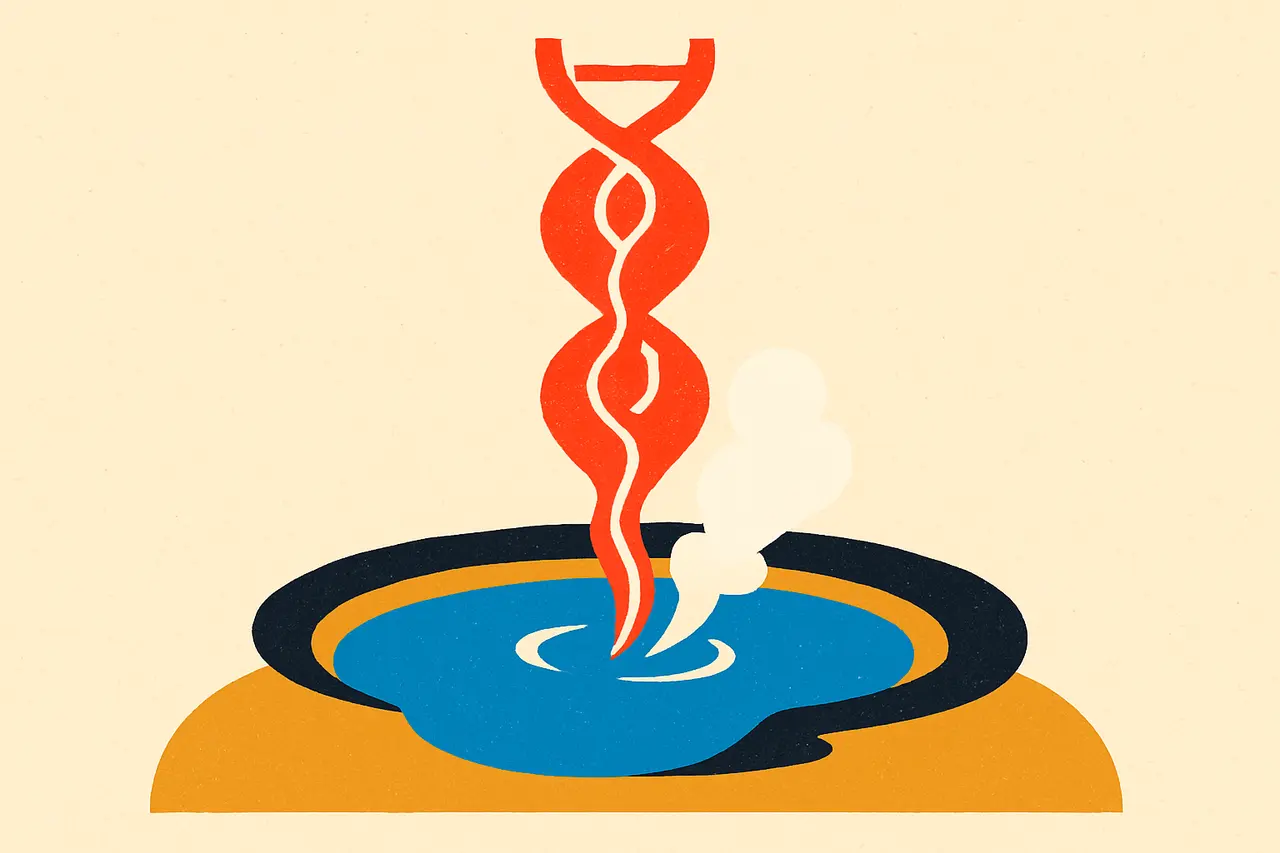
The twist: radiation does smash its genome, breaking the DNA into hundreds of fragments. The bacterium simply rebuilds it. Over 3–4 hours, dedicated repair machinery splices the overlapping pieces back into complete chromosomes, and the cells resume growing.
Its secret weapon is chemistry, not magic. The cell packs a powerful antioxidant built from manganese, phosphate, and small peptides that mops up radiation damage before it destroys the repair proteins. Discovered in 1956 when it spoiled “sterilized” canned meat, it now guides research on DNA repair, ageing, and surviving the radiation of deep space.
Sources & references
2 referencesWell-established. Corroborated by 2 independent sources.