Some languages use clicks as everyday consonants
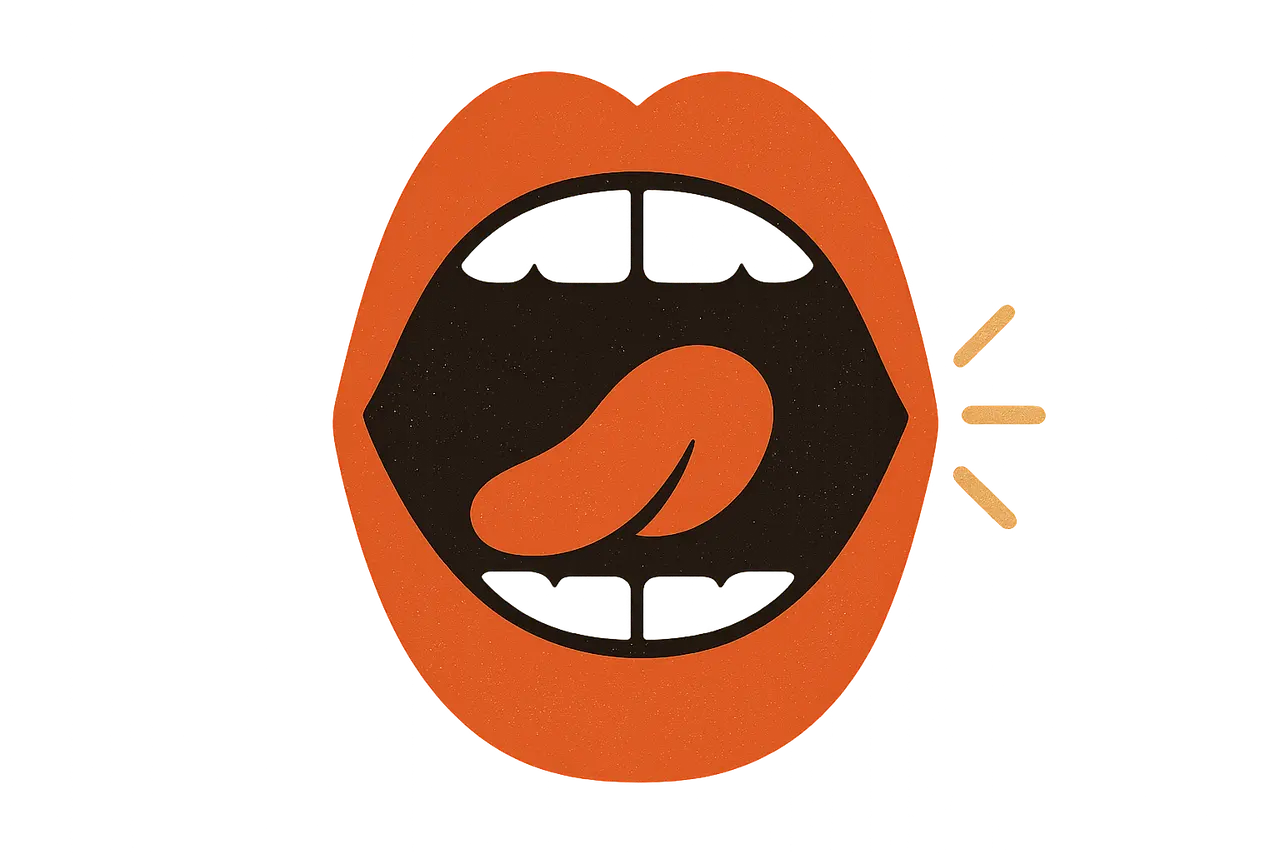
In a handful of southern African languages, the pops and clicks you might make in disapproval are ordinary letters of speech.
In most languages, a tsk-tsk or a clicking sound carries meaning only as a gesture. But in the Khoisan languages of southern Africa, clicks function as full consonants — building blocks of ordinary words, just like b or t in English.
Clicks are made by trapping a pocket of air between two points of contact in the mouth and releasing it with a sharp pop or smack. The language with the richest inventory is Taa (also written !Xoo), thought to have one of the largest sets of sounds of any language — by some analyses well over 100 consonants, including dozens of distinct clicks. Strikingly, more than 70% of its dictionary words begin with a click.
Almost everywhere clicks appear as regular speech sounds, it is in Africa; neighboring Bantu languages such as Zulu and Xhosa borrowed a few from Khoisan contact. These sounds remain one of the most distinctive — and hardest to imitate — features in all of human language.
Sources & references
2 referencesWell-established. Corroborated by 2 independent sources.