Chuck Yeager first broke the sound barrier
On this day · 14 October 1947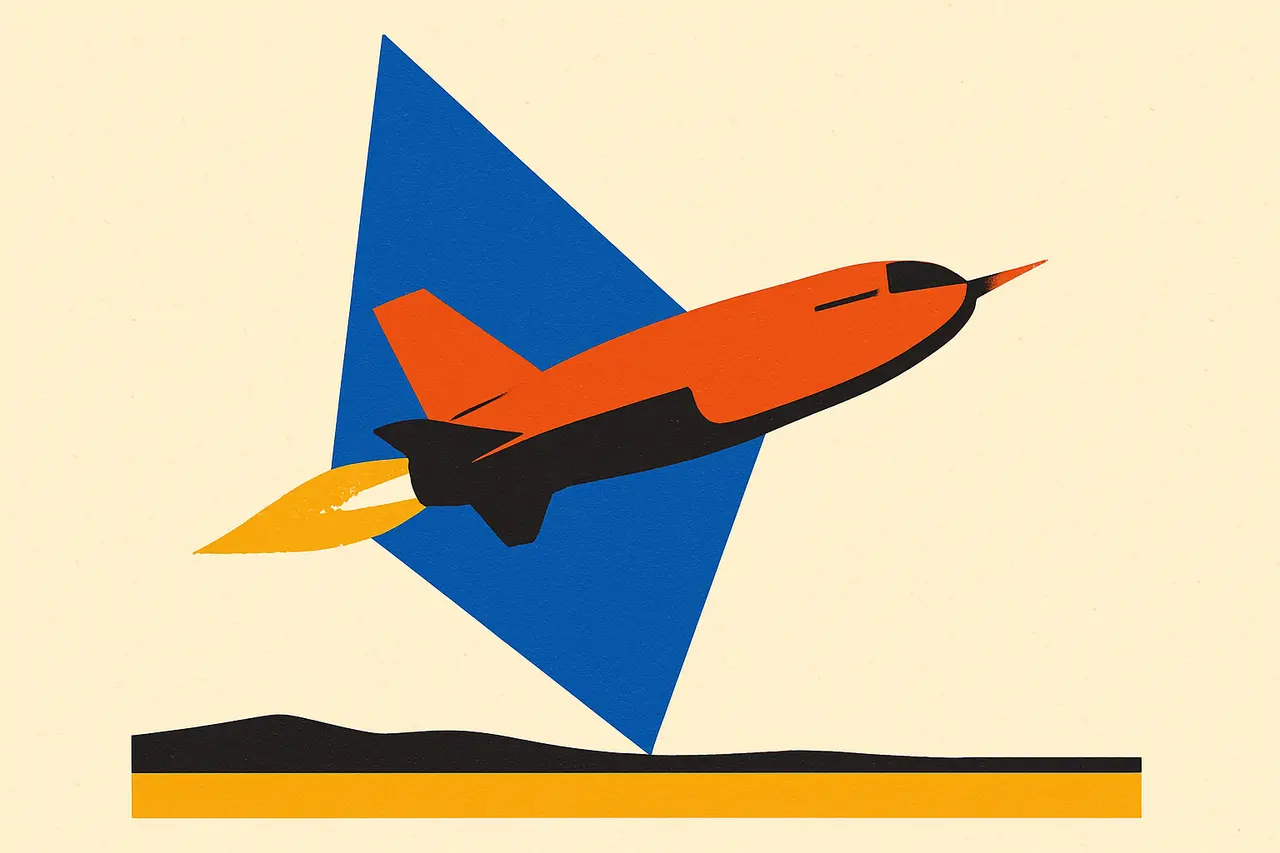
Dropped from a bomber's belly over the California desert, a test pilot with cracked ribs nudged a rocket plane past Mach 1.
On October 14, 1947, U.S. Air Force Captain Chuck Yeager flew the rocket-powered Bell X-1 past the speed of sound, becoming the first person to do so in level flight. The Mach meter jumped from 0.965 to Mach 1.06 — roughly 700 mph — over Rogers Dry Lake.
The X-1, which Yeager named Glamorous Glennis after his wife, didn’t take off from a runway. It was air-launched from the bomb bay of a B-29 bomber after a climb to 20,000 feet, then fired its rocket engine and climbed higher still.
Yeager flew that day with two ribs broken from a horseback fall — a secret he kept to avoid being grounded.
Engineers had feared a “sound barrier” might tear an aircraft apart. Instead, the transition proved almost anticlimactic, yielding crucial data on supersonic flight for the agency that would become NASA.
Sources & references
2 referencesWell-established. Corroborated by 2 independent sources.