A 10-kilometre asteroid ended the age of dinosaurs
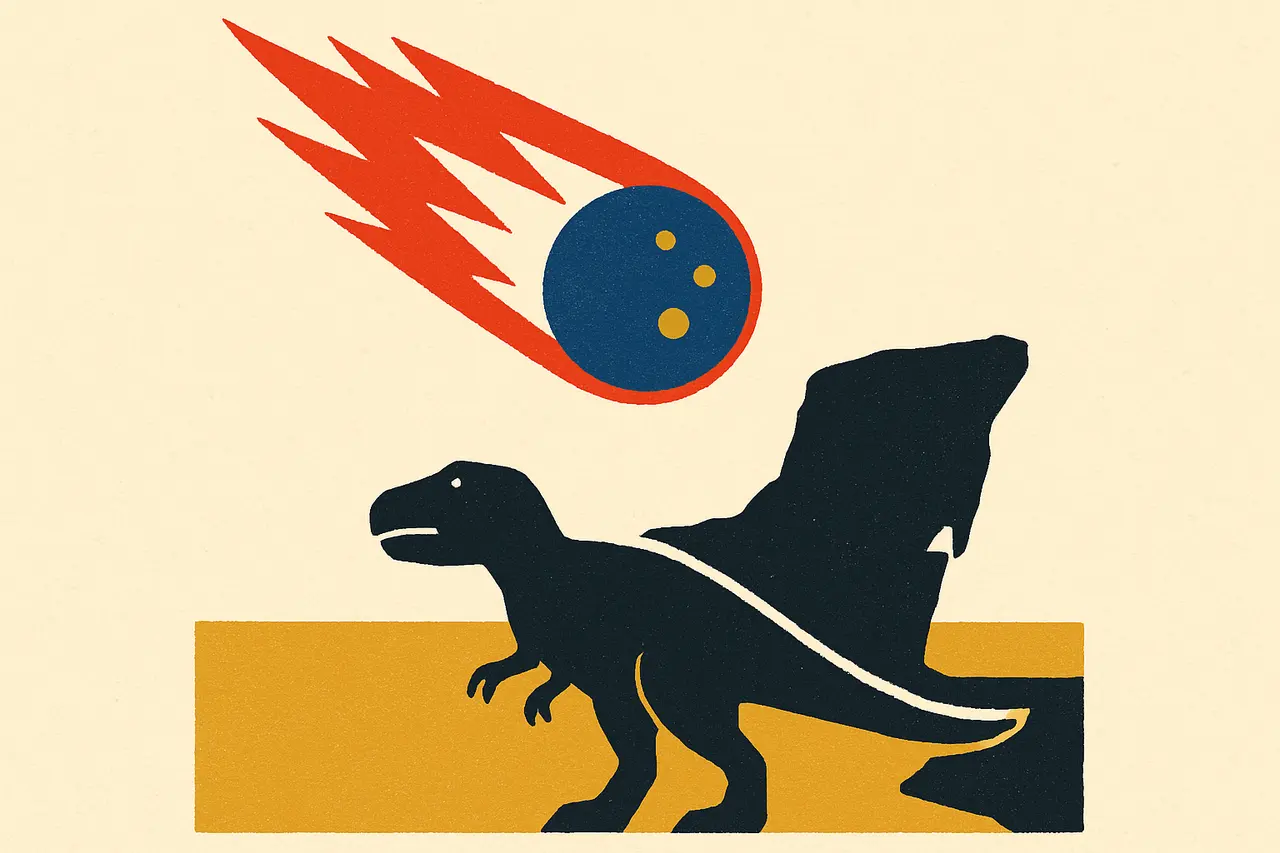
Sixty-six million years ago, a single afternoon rewrote the history of life on Earth.
About 66 million years ago, an asteroid roughly 10 kilometers (6 miles) wide slammed into a shallow sea off Mexico’s Yucatán Peninsula. The blow gouged out the Chicxulub crater, some 180–200 km across, releasing energy thousands of times greater than the world’s entire nuclear arsenal.
The idea was born in a family argument. Physicist Luis Alvarez and his geologist son Walter found a thin worldwide layer of iridium — a metal rare in Earth’s crust but common in asteroids — and in 1980 proposed an impact, to fierce skepticism from paleontologists. The missing crater turned up in 1991, hidden under the Yucatán, recognized from gravity anomalies in old Pemex oil-survey data that traced a perfect buried ring.
Death came in stages. First, molten ejecta rained back through the atmosphere, glowing red-hot and igniting global wildfires within hours. Then sulfate aerosols and soot veiled the sky, plunging Earth into years of darkness and cold that halted photosynthesis — the Cretaceous–Paleogene (K–Pg) extinction that erased about three-quarters of species, including every non-avian dinosaur. Later still, the oceans turned acidic, finishing off much of marine life.
The impact’s final hours are frozen at Tanis in North Dakota, where a surge of water buried fish with impact spherules lodged in their gills — animals that died minutes after the strike, an ocean away.
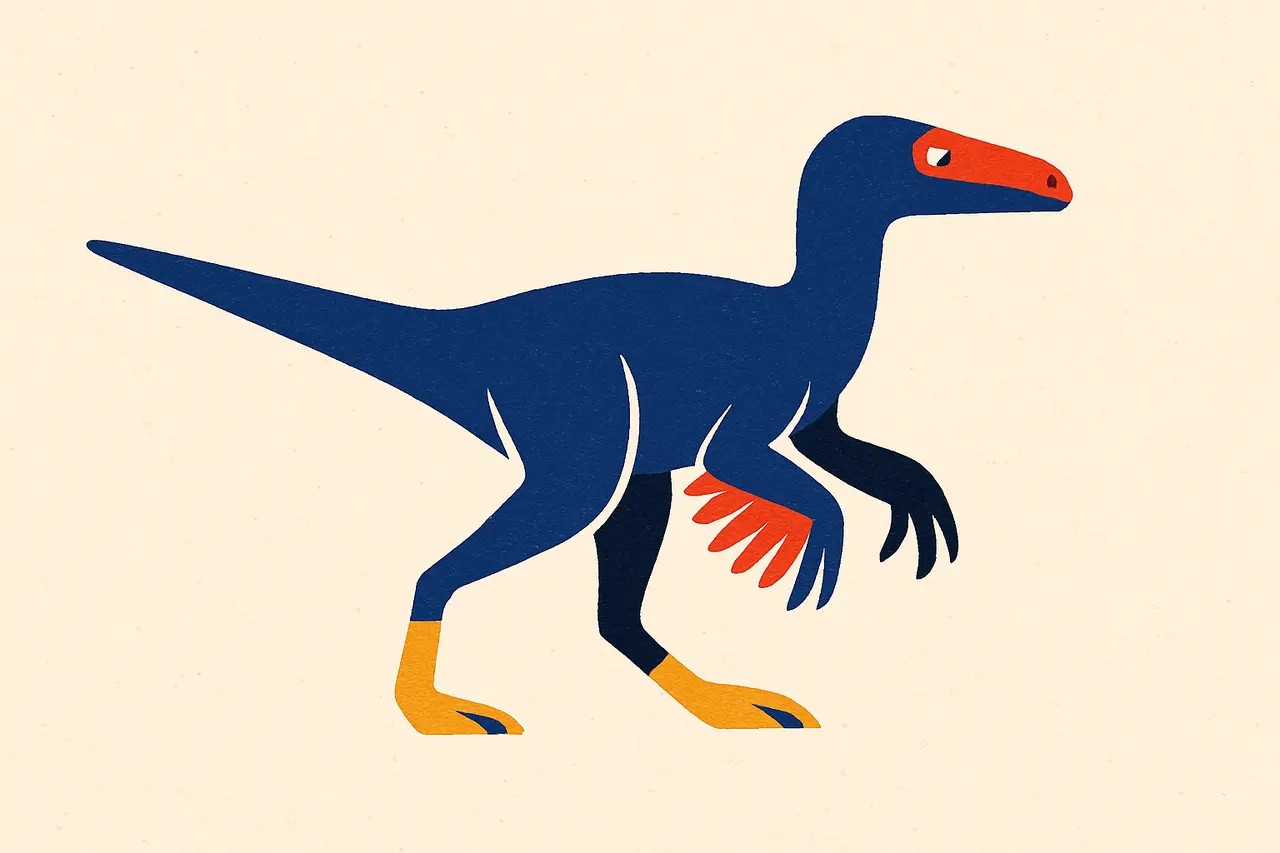
Only the feathered dinosaurs — the birds — survived to carry the lineage forward.
Sources & references
2 referencesWell-established. Corroborated by 2 independent sources.