Buddhism began in India yet has its fewest followers there today
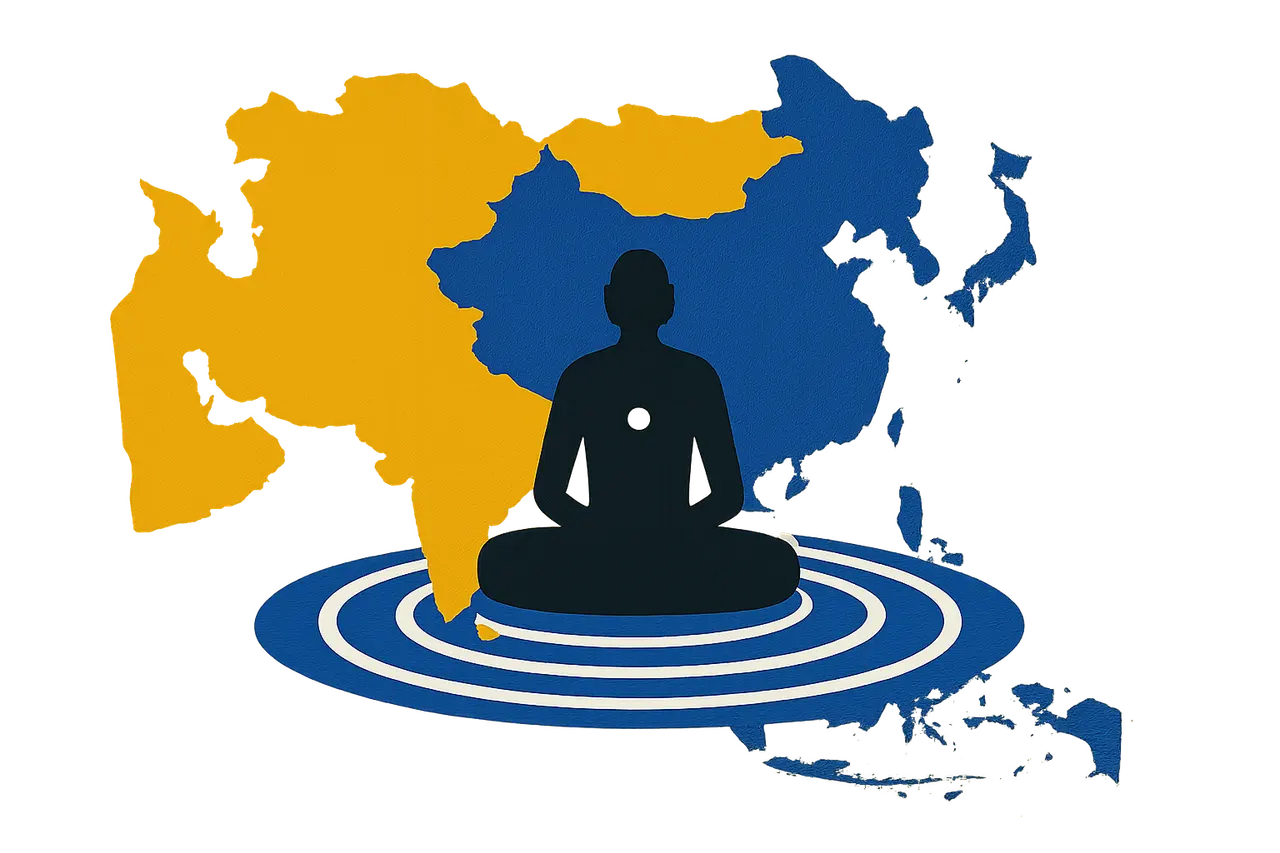
A faith born on the Ganges plain spread across Asia and left its homeland behind.
Buddhism arose in northeastern India sometime between the late 6th and early 4th centuries BCE, founded on the teachings of Siddhartha Gautama, the Buddha. From that single region it spread outward over the following centuries - carried by monks, merchants, and royal patrons along trade routes and sea lanes.
It reached China in the 1st-2nd centuries CE, then Korea and Japan by around the 5th-6th centuries, and took deep root across Southeast Asia in countries such as Thailand, Myanmar, and Cambodia.
Today some 324 million people are Buddhists, concentrated overwhelmingly in East and Southeast Asia rather than in India, where the tradition had largely faded by the medieval period. That makes Buddhism a striking example of a world religion that flourished far from its birthplace.
Sources & references
2 referencesWell-established. Corroborated by 2 independent sources.