Nobel's 1895 will took five years to become the Nobel Prizes
On this day · 27 November 1895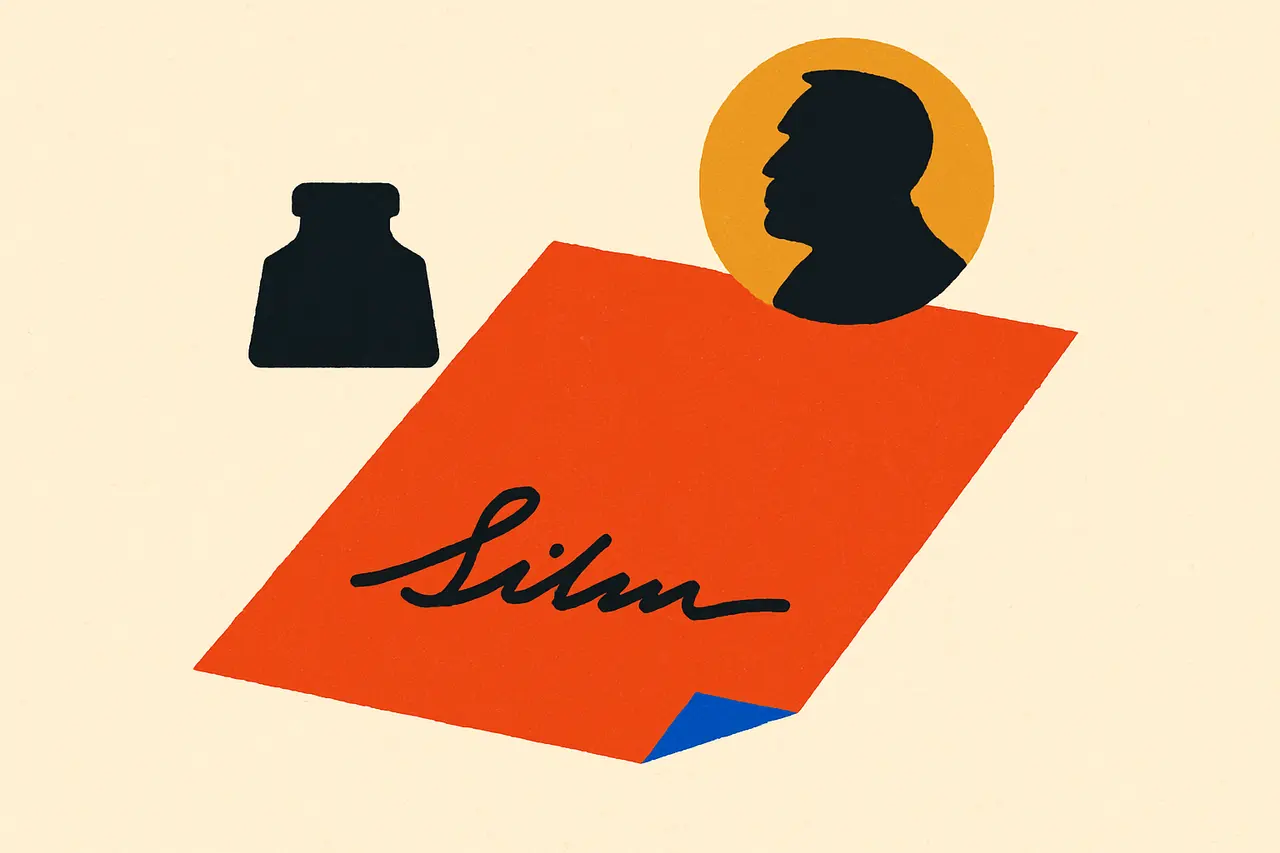
Signed in Paris on 27 November 1895, Nobel's last will needed five years, a covert asset run and a family fight to become the first prizes.
Alfred Nobel created the Nobel Prizes with his will, signed on 27 November 1895 at the Swedish–Norwegian Club in Paris. It was his third and final will, and it left most of his fortune to fund annual prizes for those who, “during the preceding year, have conferred the greatest benefit to humankind.”
The yearly interest was to be split into five equal parts: physics, chemistry, physiology or medicine, literature, and peace. Nobel also insisted that no consideration be given to nationality, so a Scandinavian candidate would get no home advantage.
Turning a few handwritten pages into an institution was harder. His wealth, then one of the largest private fortunes in the world, sat in the Baku oil company, about a hundred explosives factories on several continents and 355 patents. Two young engineers, Ragnar Sohlman and Rudolf Lilljequist, feared French authorities might claim the estate. They toured Paris banks by horse and carriage, collected the share certificates and shipped them to Sweden in crates as registered luggage. Meanwhile nearly everyone objected: Nobel’s relatives opposed the plan, and the institutions he named as prize-givers initially refused to do what he asked.
- 27 November 1895: Nobel signs the will in Paris.
- December 1896: Nobel dies.
- 1900: the newly created Nobel Foundation takes charge of a fund worth SEK 31.5 million.
- 1901: the first prizes are awarded, five years after his death.
The will itself never mentions a foundation; Sohlman, who later ran the Nobel Foundation, was instrumental in setting one up and agreeing how it would work with the prize-awarding academies.
Each of the first prizes in 1901 was worth SEK 150,782, which the Norwegian Nobel Institute puts at close to 9 million kronor in 2016 money.
Sources & references
4 referencesWell-established. Corroborated by 2 independent sources.