Ann Hodges, the first person known injured by a meteorite
On this day · 30 November 1954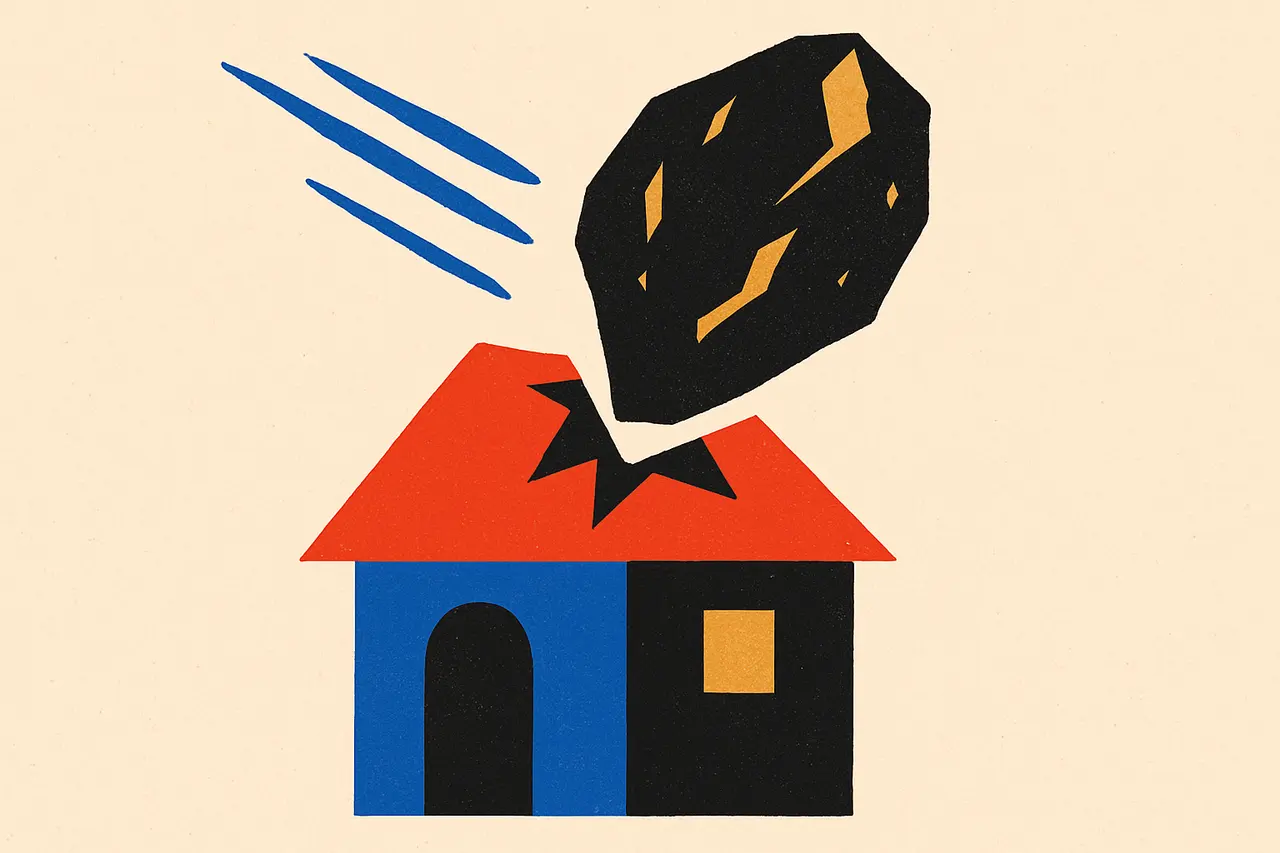
In 1954 a meteorite bruised an Alabama woman on her couch. A lawsuit, an Air Force detour and a luckier neighbour followed.
On 30 November 1954, Ann Hodges of Sylacauga, Alabama, became the first person known to have been injured by a meteorite, when an 8.5-pound stone crashed through her roof, bounced off a console radio and struck her hip as she napped on the couch.
She first thought the gas heater had exploded; seeing a grapefruit-sized rock and a hole in the roof, she blamed local children. Around the region people had seen a fireball and heard an explosion, and many assumed a plane had crashed. A doctor found her hip and hand swollen and painful but not seriously hurt. By nightfall some 200 reporters and sightseers filled her yard.
That evening police handed the rock to officers from Maxwell Field, who took it to Air Force intelligence. Specialists confirmed a meteorite and sent it to the Smithsonian, which declined to send it back until Alabama congressman Kenneth Roberts intervened. Then her landlady, Birdie Guy, sued for it, citing precedent that meteorites belong to the landowner. The public sided with Hodges, and after a modest private settlement Guy gave up her claim.
The luckier finder was a neighbour, farmer Julius K. McKinney, who found a second fragment in a dirt road the next day. He sold it to the Smithsonian for enough to buy a small farm and a used car. Hodges earned at most a few hundred dollars from her fame. Her husband had refused offers he thought too low, including one from the Smithsonian. Her life around the stone, in order:
- 1923: Ann Hodges is born.
- 1954: The stone hits her, on 30 November.
- 1956: Once the offers dry up, she donates it to the Alabama Museum of Natural History in Tuscaloosa, where it remains.
- 1964: She and her husband separate, both saying the meteorite’s disruption had contributed.
- 1972: Hodges dies.
- 2021: University of Alabama researchers are still analysing her stone.
Sources & references
5 referencesWell-established. Corroborated by 3 independent sources.