Chaucer Hid a Sky-Date in a Barnyard Fable

Geoffrey Chaucer buried a precise astronomical clock inside a story about a rooster and a fox, letting scholars read the exact season from the sun's place in the zodiac.
In The Nun’s Priest’s Tale, Geoffrey Chaucer pauses a comic story about a proud rooster, Chauntecleer, to fix the moment by the sky. The bird looks up to find the Sun had “in the signe of Taurus hadde y-ronne / Twenty degrees and oon, and somewhat more” — the kind of detail a medieval reader could check against an astronomical table.
That is no idle flourish. Chaucer counted “thritty dayes and two” past the start of March, then placed the Sun roughly 21 degrees into Taurus. Read together, these cues point not to high summer but to late spring — the action lands in early May, with May 3 a date scholars commonly derive.
A barnyard joke doubles as a working calendar.
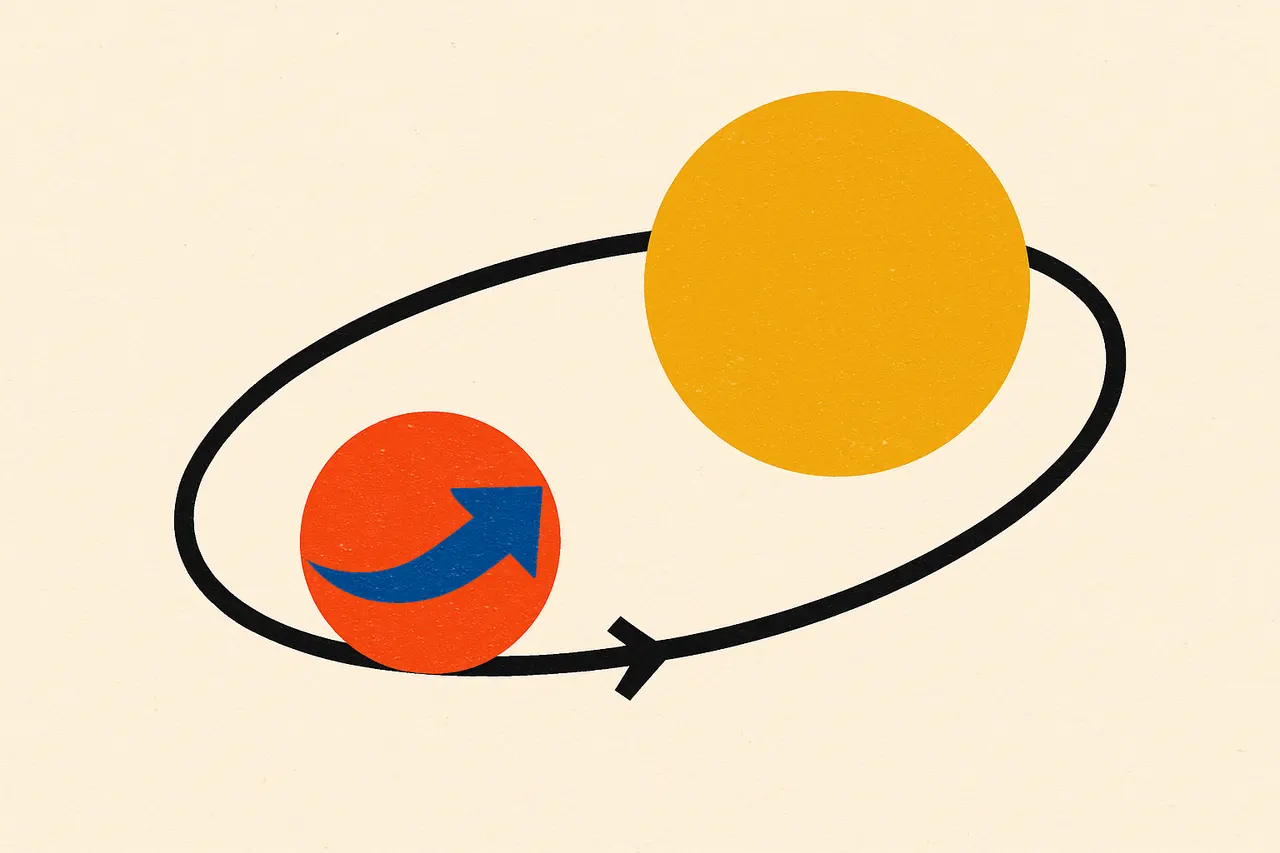
The Sun appears to climb through the zodiac because Earth orbits it; each month the Sun shifts about one sign. Chaucer leaned on real ephemeris tables, so the verse encodes a genuine solar position. The famous “splitting Moon” seen over Canterbury in 1178 is a separate event entirely, recorded on June 18, not tied to this tale.
Sources & references
2 referencesWell-established. Corroborated by 2 independent sources.