Wikipedia goes online
On this day · 15 January 2001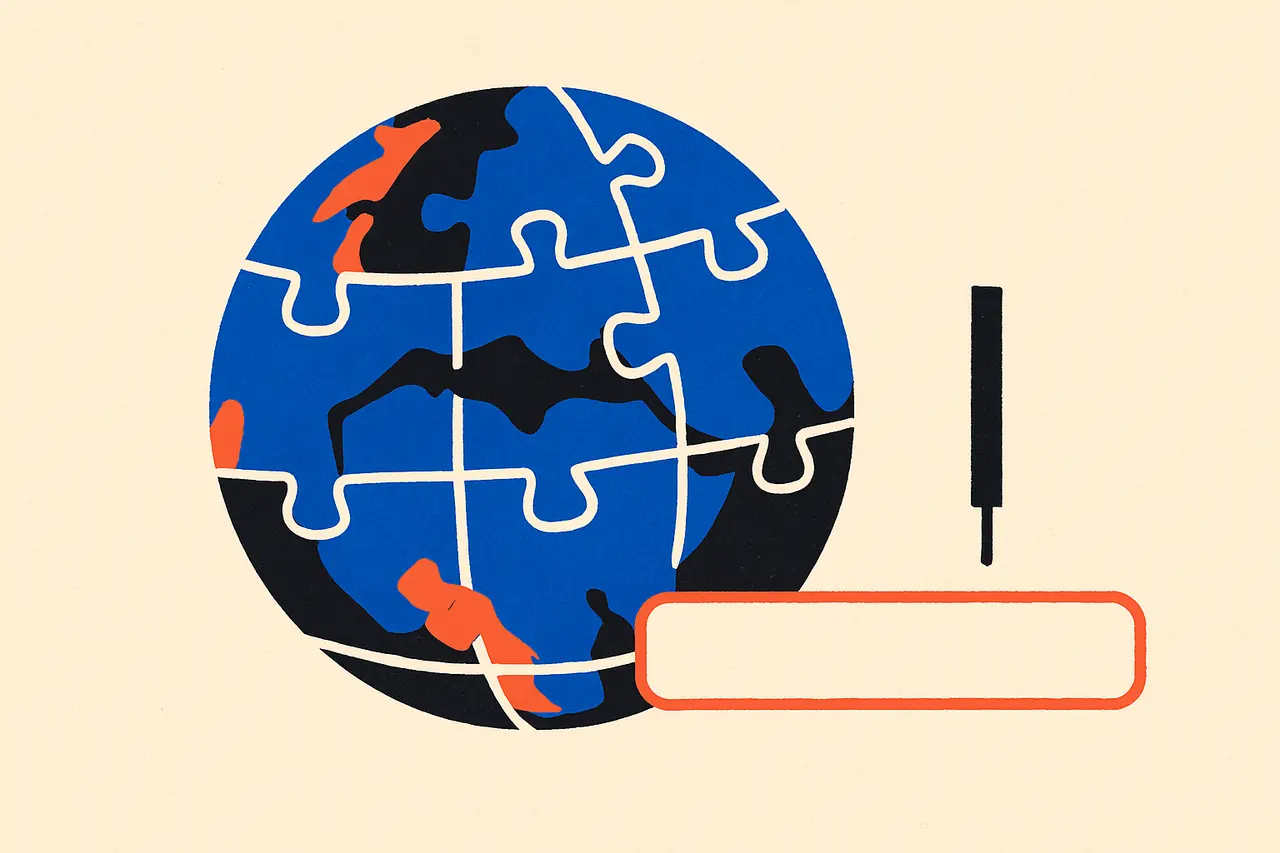
A side project meant to feed a slow expert encyclopedia quietly became the largest reference work ever built.
On 15 January 2001, Wikipedia went live as a humble English-language website, launched by Jimmy Wales and Larry Sanger. It began as a side project to Nupedia, an earlier effort whose expert peer-review process was so slow that only a couple of articles had been finished in its first six months.
The new site flipped that model on its head: anyone could write or edit an article instantly, no credentials required. The bet was that open collaboration would outpace careful gatekeeping—and it did, spectacularly.
Within a year Wikipedia held more than 20,000 articles across 18 languages; it passed a million within five.
Today, the date is celebrated by contributors as Wikipedia Day. The encyclopedia has grown into the largest and most-read reference work in history, spanning hundreds of language editions and ranking among the world’s most-visited websites. Its messy, crowd-edited approach drew early skepticism, yet that same openness turned a small feeder project into a global knowledge commons.
Sources & references
2 referencesWell-established. Corroborated by 2 independent sources.