GDP measures output, not how well people are doing
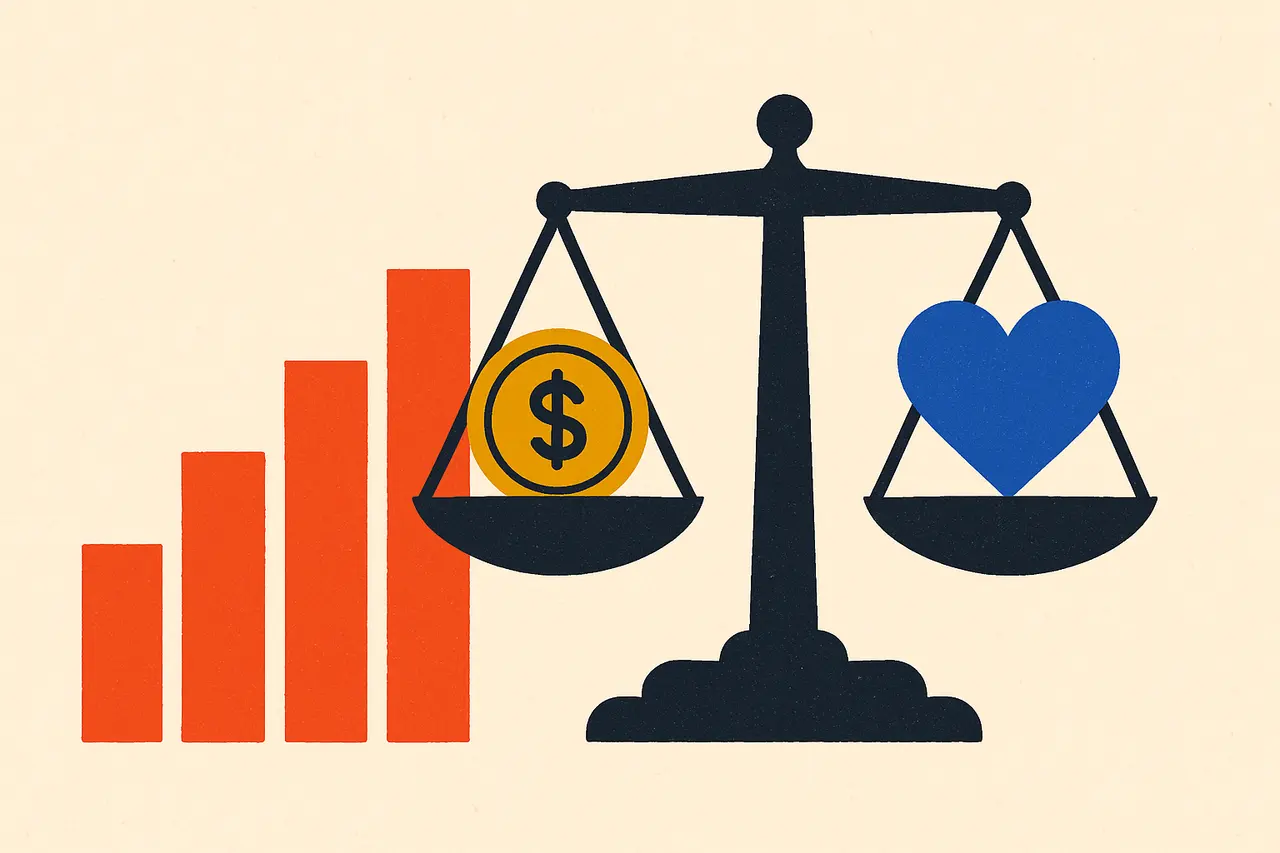
Gross domestic product is the headline number for an economy's size - but it leaves out unpaid work, inequality, and a lot of what we actually value.
Gross domestic product (GDP) is the most-cited number in economics, yet it measures something quite narrow: the monetary value of all final goods and services produced within a country’s borders in a given period.
Statisticians can reach the same total two ways. The expenditure approach adds up everything bought by final users - household consumption, business investment, government purchases, and net exports. The income approach instead sums the incomes that production generates, such as wages and company profits.
GDP deliberately excludes things that are hard to value: unpaid work done at home or by volunteers, and black-market activity. Crucially, even the IMF stresses that GDP “is not a measure of the overall standard of living or well-being of a country.” A nation can grow its output while inequality widens or its environment degrades - which is why economists pair GDP with measures like the Human Development Index.
Sources & references
2 referencesWell-established. Corroborated by 2 independent sources.