The Standard Oil monopoly was broken into 34 companies in 1911
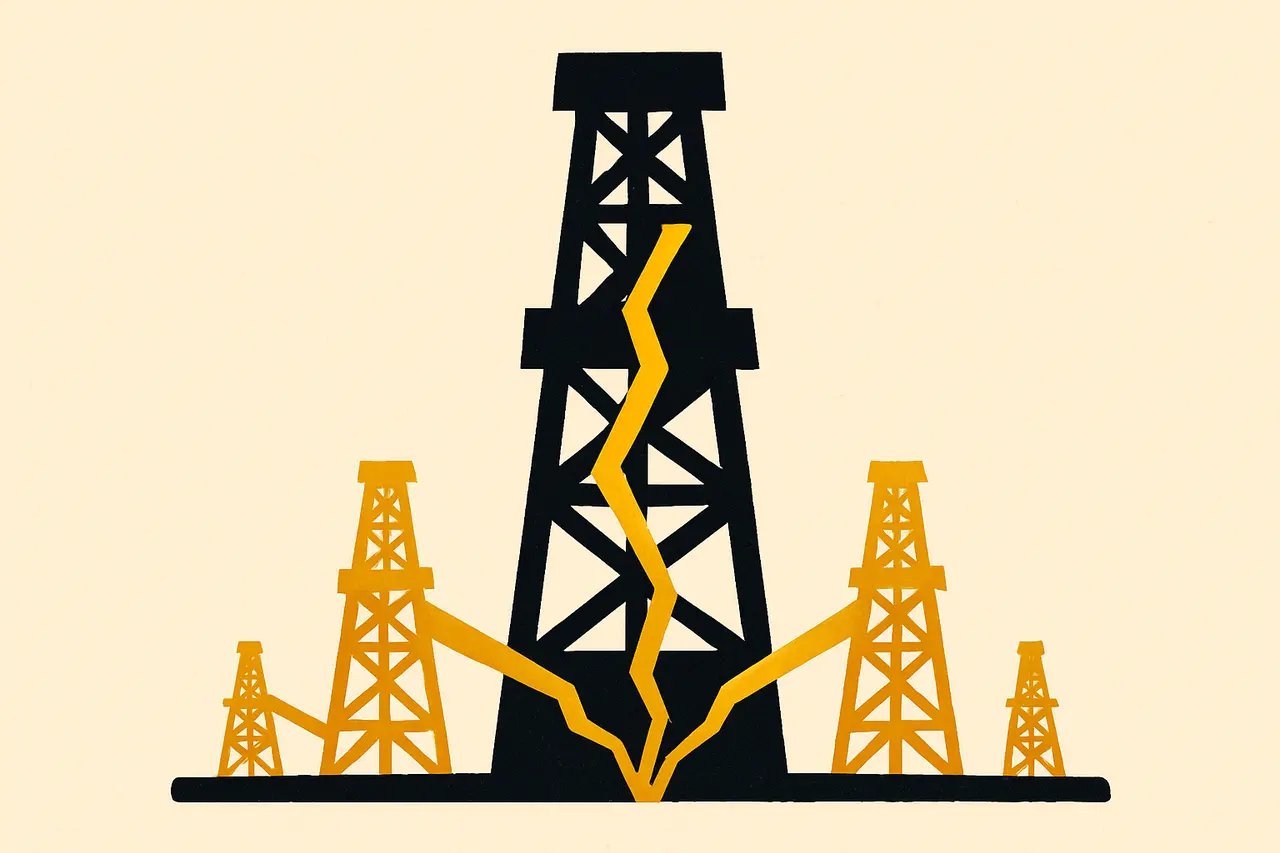
The Supreme Court ordered Rockefeller's oil empire dissolved into 34 firms - and the pieces, including Exxon and Chevron, made him richer than ever.
In 1911 the US Supreme Court did something almost unthinkable: it dismantled the most powerful corporation in America. In Standard Oil Co. of New Jersey v. United States, the Court ruled that John D. Rockefeller’s combine had built an illegal monopoly and ordered it broken apart. The decision noted the trust had “obtained a complete mastery over the Oil industry, controlling 90 per cent of the business of producing, shipping, refining, and selling petroleum.”
The remedy was a corporate dissection. Standard Oil was carved into 34 separate companies, divided largely along geographic lines. Several became giants in their own right: Standard Oil of New Jersey grew into Exxon, Standard Oil of New York into Mobil, and Standard Oil of California into Chevron - rivals on paper, descendants of one empire.
The case also reshaped the law itself, establishing the “rule of reason”: only unreasonable restraints of trade would be condemned under the Sherman Act, not every large combination automatically.
Breaking the monopoly didn’t break the monopolist.
Here’s the twist. Rockefeller held stock in every fragment, and as separate companies the pieces were valued more freely than the secretive trust had been. Their share prices soared. By splitting his empire, the government inadvertently multiplied his paper fortune - Rockefeller, already the richest man in America, became richer still.
Sources & references
2 referencesWell-established. Corroborated by 2 independent sources.