The impeachment trial of President Andrew Johnson ends in acquittal
On this day · 26 May 1868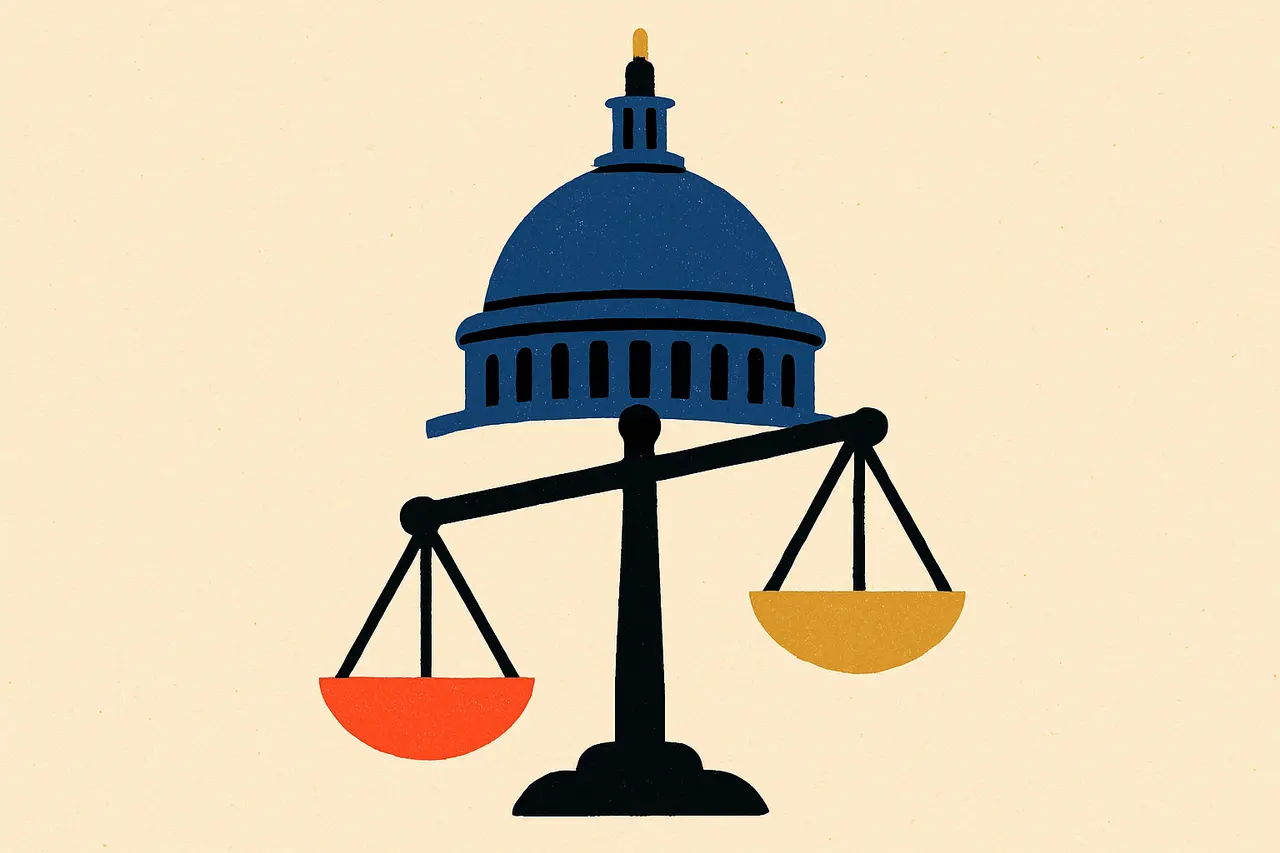
On May 26, 1868, the Senate fell one vote short of removing Andrew Johnson, ending the first impeachment trial of a US president.
On May 26, 1868, the United States Senate closed the first impeachment trial of a sitting president, and Andrew Johnson kept his job by a single vote. Taking up the second and third articles of impeachment, senators split 35 to 19 in favor of conviction — exactly one short of the two-thirds majority the Constitution demands.
The result echoed an identical vote ten days earlier. Johnson had been impeached by the House in February for defying the Tenure of Office Act when he tried to remove Secretary of War Edwin Stanton, a clash rooted in bitter fights over Reconstruction.
Seven Republicans broke ranks to join the Democrats, denying their own party the conviction it craved. Kansas senator Edmund G. Ross cast a famous “not guilty” that historians still debate — principled stand or backroom deal.
The acquittal set a high bar: no American president has ever been removed by the Senate, and the 35–19 margin remains one of the closest brushes in the nation’s history.
Sources & references
2 referencesWell-established. Corroborated by 2 independent sources.