The first commercial adding machine was patented
On this day · 21 August 1888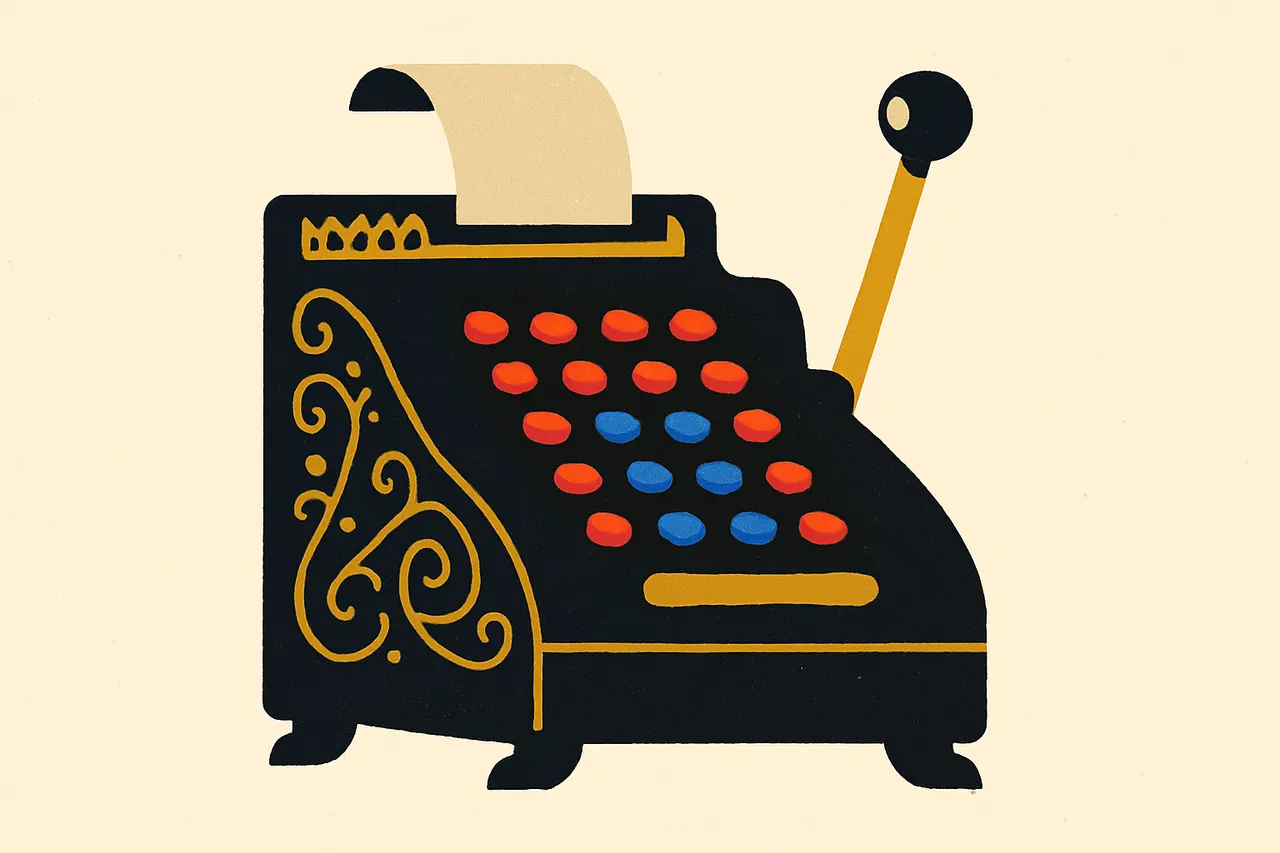
A frustrated bank clerk's invention tamed the drudgery of arithmetic and seeded a computing dynasty.
On August 21, 1888, William Seward Burroughs received patents for his calculating machine — a key-driven device that printed a running list of figures as it added them.
Burroughs had worked as a bank clerk and loathed the tedious, error-prone business of tallying columns by hand. His earlier prototypes had a flaw: results varied with how hard the operator yanked the handle. He solved it with a “dash pot,” a fluid-filled mechanism that smoothed the pull so every entry registered the same way.
Within a year of the patent, he had produced 50 machines.
To sell them, Burroughs founded the American Arithmometer Company in St. Louis, pricing each machine at $475 — a small fortune at the time. The firm later became the Burroughs Adding Machine Company, then the Burroughs Corporation, a computing giant that endured for a century.
Sources & references
2 referencesWell-established. Corroborated by 2 independent sources.