Shanghai's maglev floated commuters along at 431 km/h
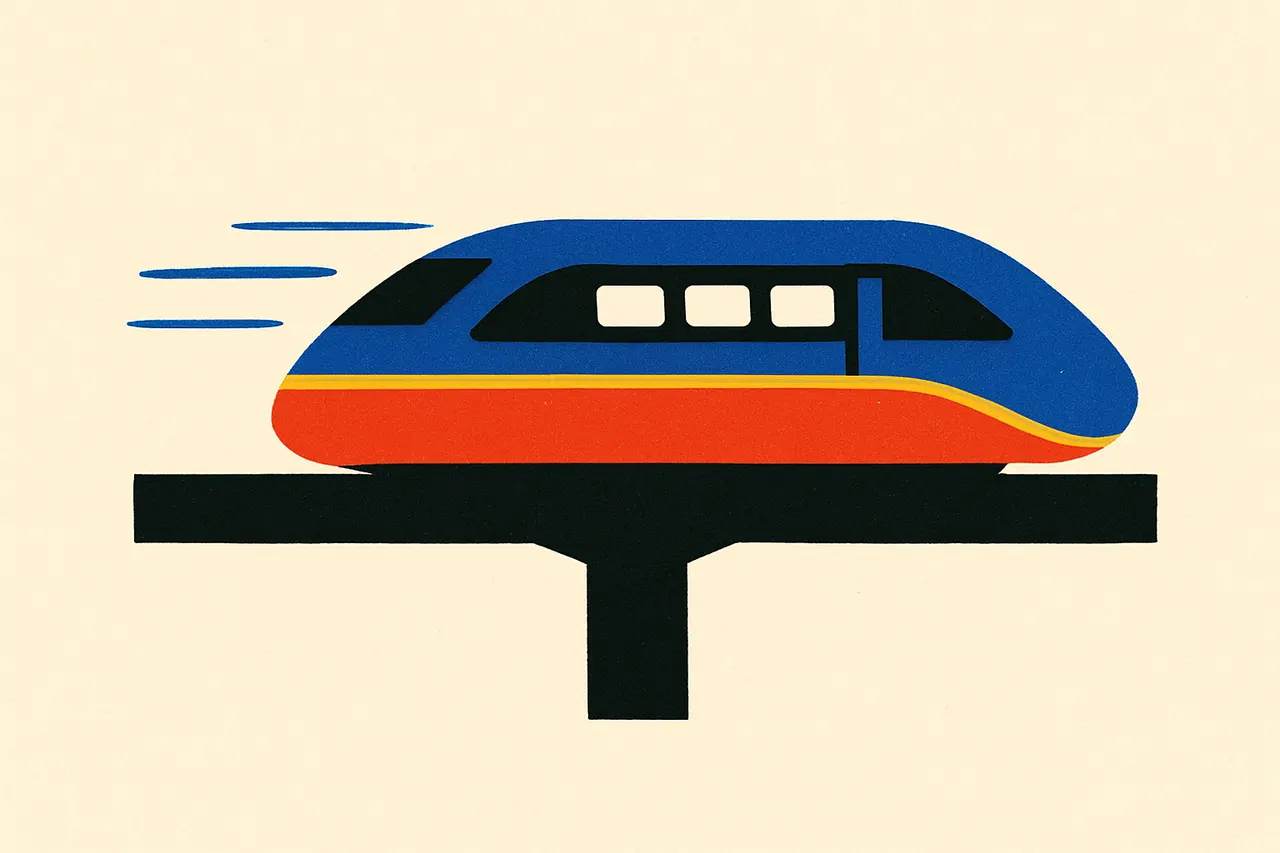
For 17 years, the world's fastest passenger train didn't touch the rails at all.
Since opening to the public in 2004, the Shanghai maglev has carried airport passengers along a roughly 30-kilometre line to Longyang Road station — a trip it completes in about 8 minutes. For much of that time it ran at a top operational speed of 431 km/h (268 mph), making it the fastest train in regular commercial service anywhere on Earth.
The trick is in the name: maglev, short for magnetic levitation. Powerful electromagnets lift the train a few millimetres above its guideway and propel it forward, so it never physically touches the track. With no wheels and no rolling friction, the only meaningful resistance is the air.
In a 2003 non-commercial test run, the same train hit 501 km/h. In May 2021, regular cruising speed was trimmed to 300 km/h to save energy and reduce maintenance — but the floating Transrapid remains one of transport’s most striking engineering showcases.
Sources & references
2 referencesWell-established. Corroborated by 2 independent sources.