Roman concrete heals its own cracks — and we only just learned how
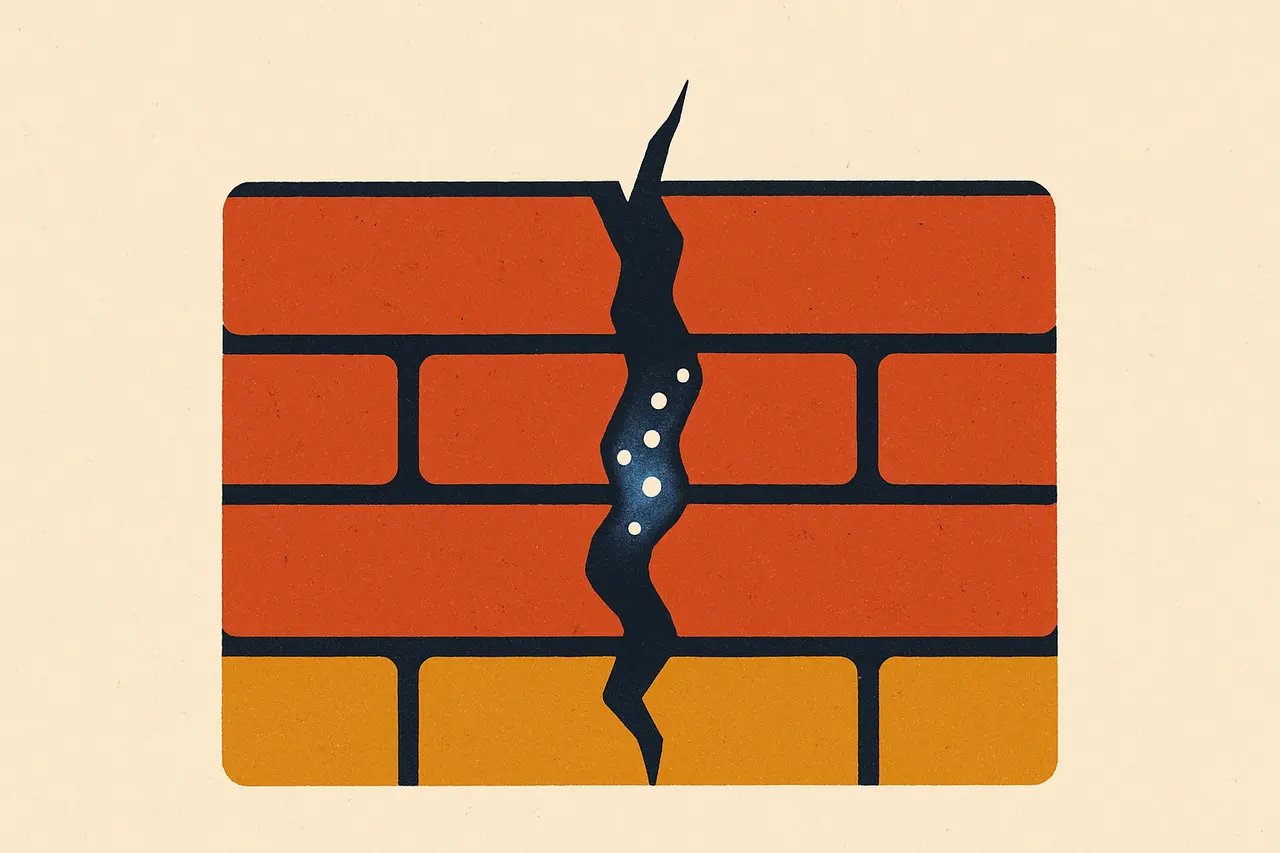
Tiny lime lumps once dismissed as sloppy mixing turn out to be self-repair kits that let Roman structures stand for two thousand years.
For centuries, the little white chunks scattered through ancient Roman concrete were written off as evidence of careless work — lime that hadn’t been mixed in properly. In 2023, a team led by MIT professor Admir Masic turned that assumption on its head. Those lumps, called lime clasts, aren’t a defect. They’re the secret to concrete that repairs itself.
The Romans, the team argues, mixed quicklime directly with volcanic ash in a process called hot mixing, generating intense heat as water was added. That left the finished concrete studded with brittle, reactive calcium-rich clasts — a built-in reservoir of repair material distributed through the stone.
Here’s the payoff. When a crack opens and water seeps in, it dissolves a nearby clast into a calcium-saturated solution. That solution flows into the crack and recrystallizes, sealing the gap before it can spread. The MIT team tested it directly: cracked samples made the Roman way knitted themselves shut within two weeks, while concrete without the clasts simply leaked.
Within two weeks the cracks had healed completely — and the water could no longer flow through.
In seawater, the chemistry goes further, growing rare minerals that actually strengthen marine structures over time. Modern concrete crumbles in decades. Roman work like the Pantheon’s dome has stood for nearly 2,000 years — and now we finally understand why.
Sources & references
2 referencesWell-established. Corroborated by 2 independent sources.