Pumped Hydro Is the World's Largest Battery
The biggest energy store on Earth's grids isn't lithium — it's water and gravity.
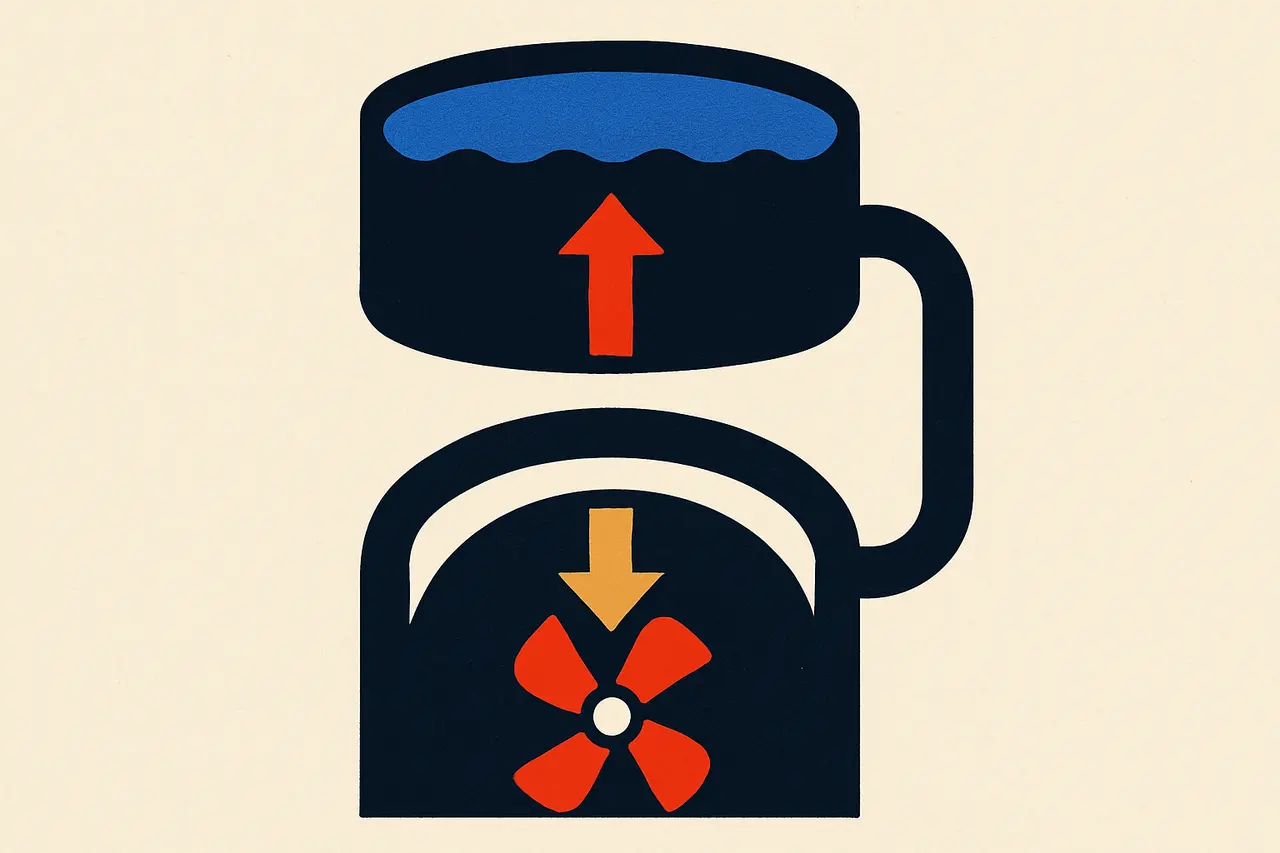
Long before lithium batteries, grids learned to store electricity using water and gravity. Pumped storage hydropower uses two reservoirs at different heights. When power is cheap and plentiful, surplus electricity pumps water uphill to the upper reservoir. When demand spikes, that water is released back down through turbines to regenerate electricity — a giant, refillable battery.
It is, by a wide margin, the dominant form of grid storage. The U.S. Department of Energy reports that pumped hydro accounts for about 88% of all utility-scale energy storage in the United States. Globally, the International Hydropower Association puts installed capacity near 200 gigawatts — over 94% of the world’s long-duration energy storage.
A single facility can store the energy of a small city’s daily power use.
As wind and solar add more variable power to the grid, this century-old technology of moving water uphill has become essential for balancing supply and demand across hours and days.
Sources & references
2 referencesWell-established. Corroborated by 2 independent sources.