Mary Shelley dreamed up Frankenstein at 18, trapped indoors by a volcanic summer
A ghost-story dare during 1816's 'year without a summer' produced what's often called the first science-fiction novel.
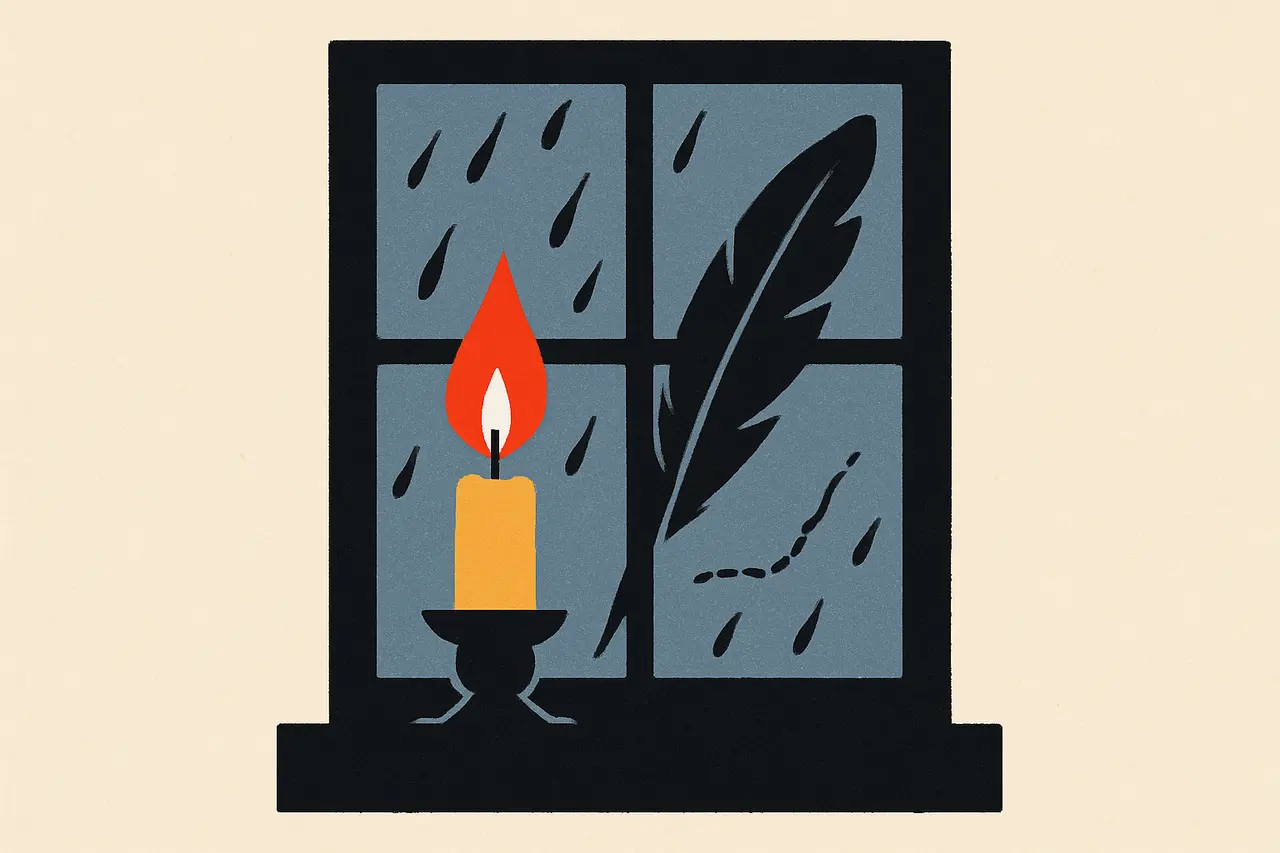
In the summer of 1816, an eighteen-year-old named Mary Godwin — soon Mary Shelley — found herself rained in at the Villa Diodati near Lake Geneva, the guest of Lord Byron. The weather was not ordinary bad luck. A year earlier, Mount Tambora had erupted in Indonesia, flinging enough ash into the atmosphere to chill the globe; 1816 became known as “the year without a summer,” with crops failing and skies that stayed grey for days.
Stuck inside, the party read German ghost stories aloud, and Byron proposed a challenge: each of them should write one. Most of the famous names fizzled. The teenager did not.
“I saw — with shut eyes, but acute mental vision — I saw the pale student of unhallowed arts kneeling beside the thing he had put together.”
From that waking nightmare came Frankenstein; or, The Modern Prometheus, in which a scientist stitches together a living man and then recoils from his creation. Published anonymously in 1818, it married laboratory ambition to gothic dread — and is widely regarded as the first true science-fiction novel, the moment horror started asking what technology might unleash.
The same dare gave the world another monster: fellow guest John Polidori wrote The Vampyre, a key ancestor of Dracula. Two foundational horrors, one wet Swiss holiday — and the most influential of them written, as the British Library notes, by “a woman of just 18.”
Sources & references
2 referencesWell-established. Corroborated by 2 independent sources.