Herman Hollerith patents the punched-card tabulating machine
On this day · 8 January 1889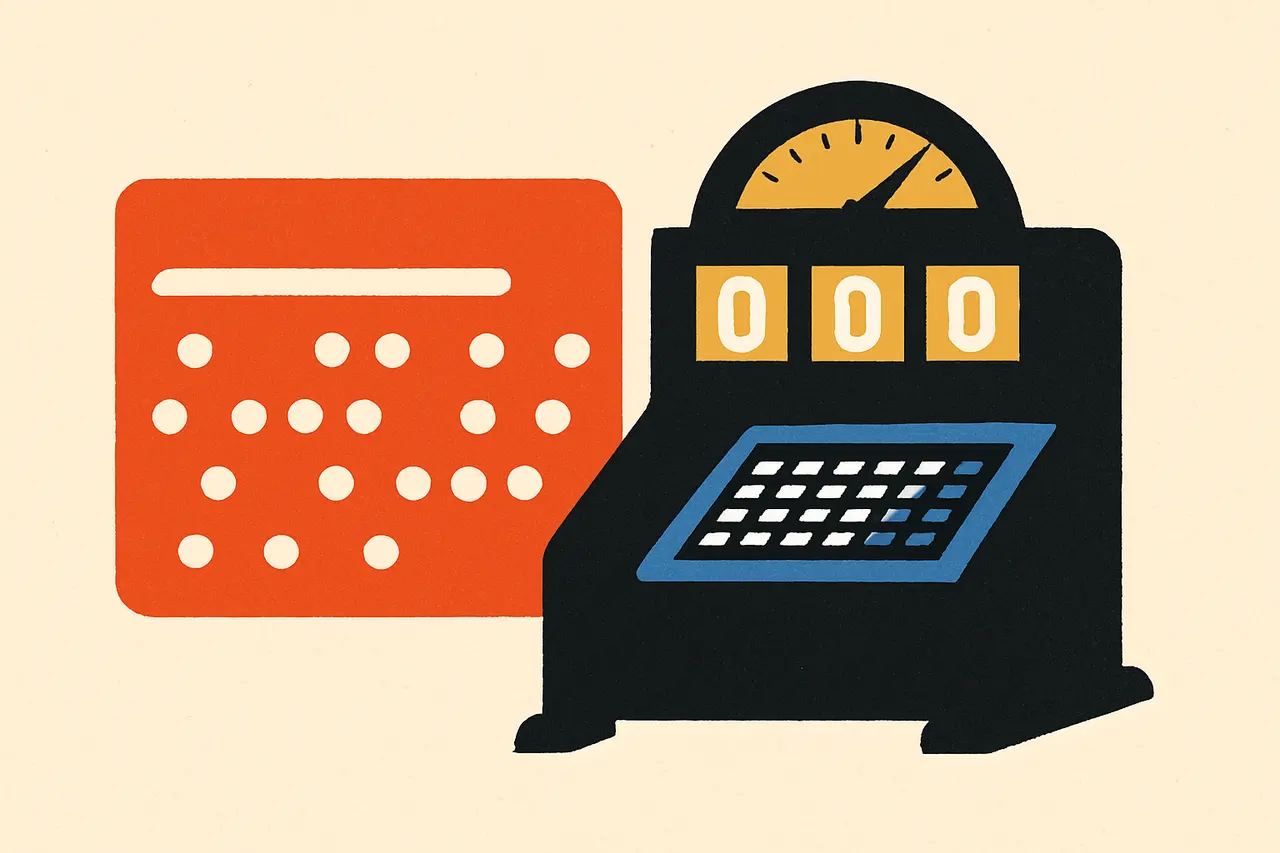
A clerk frustrated by counting Americans by hand built a machine that read holes in cards, and seeded the company that became IBM.
On January 8, 1889, Herman Hollerith received a patent for an electro-mechanical tabulating machine that read data as holes punched in paper cards. A former Census Bureau employee, he had watched the 1880 census drown in paperwork and gambled that electricity could count faster than clerks.
The bet paid off spectacularly. In a head-to-head trial, Hollerith’s system sorted records in about 5.5 hours while rival methods took 44.5 and 55.5. That speed won him the contract for the 1890 census.
Despite collecting far more information, the Bureau published the 1890 results a full 18 months sooner than the 1880 count.
His machines tabulated and sorted Americans by age, sex, and race at a pace no human team could match, and the Census Bureau kept using descendants of the technology into the 1950s. Hollerith’s Tabulating Machine Company later merged with two others; in 1924 that firm was renamed International Business Machines, better known as IBM.
Sources & references
2 referencesWell-established. Corroborated by 2 independent sources.