Lightning can turn sand into glass: how fulgurites form
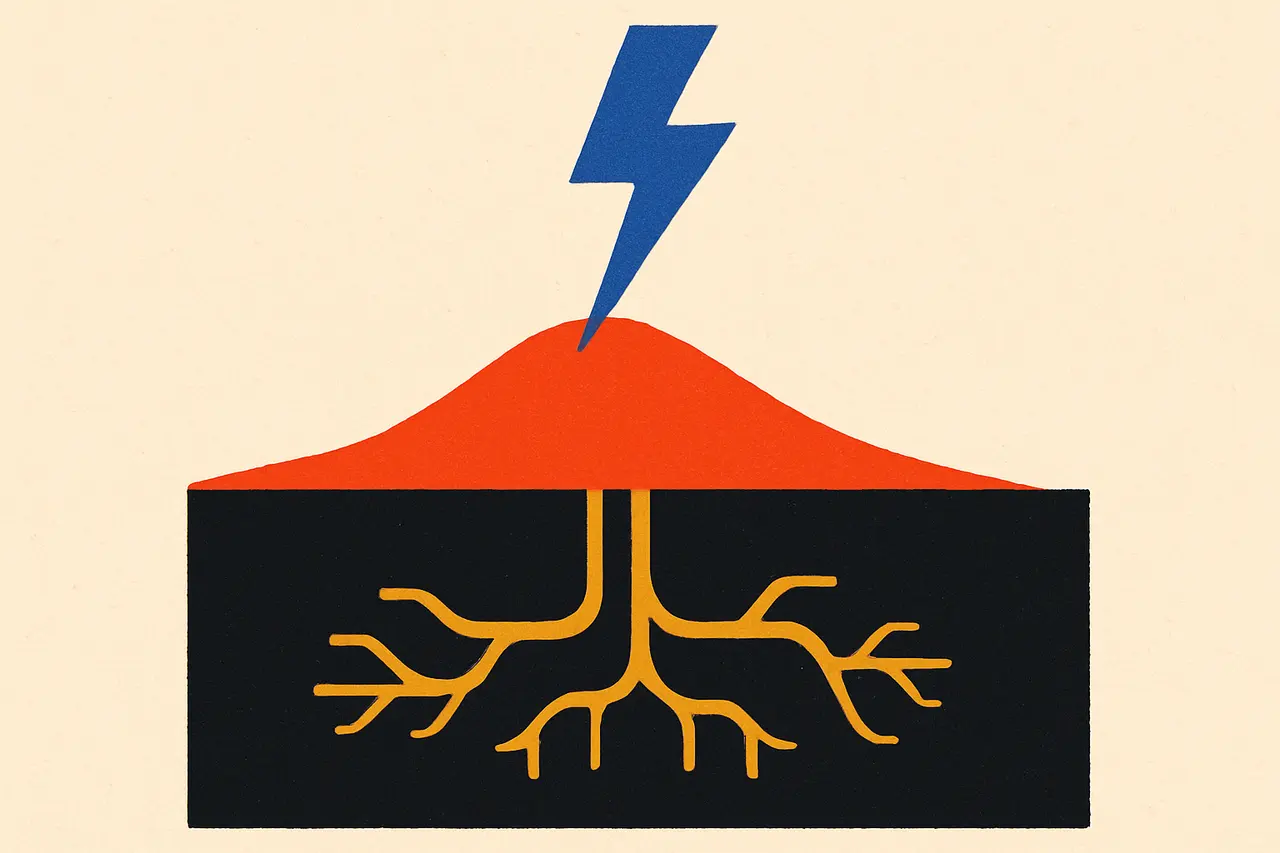
A lightning bolt can melt sand into hollow glass tubes called fulgurites — and one found in an Illinois yard hints lightning helped spark life.
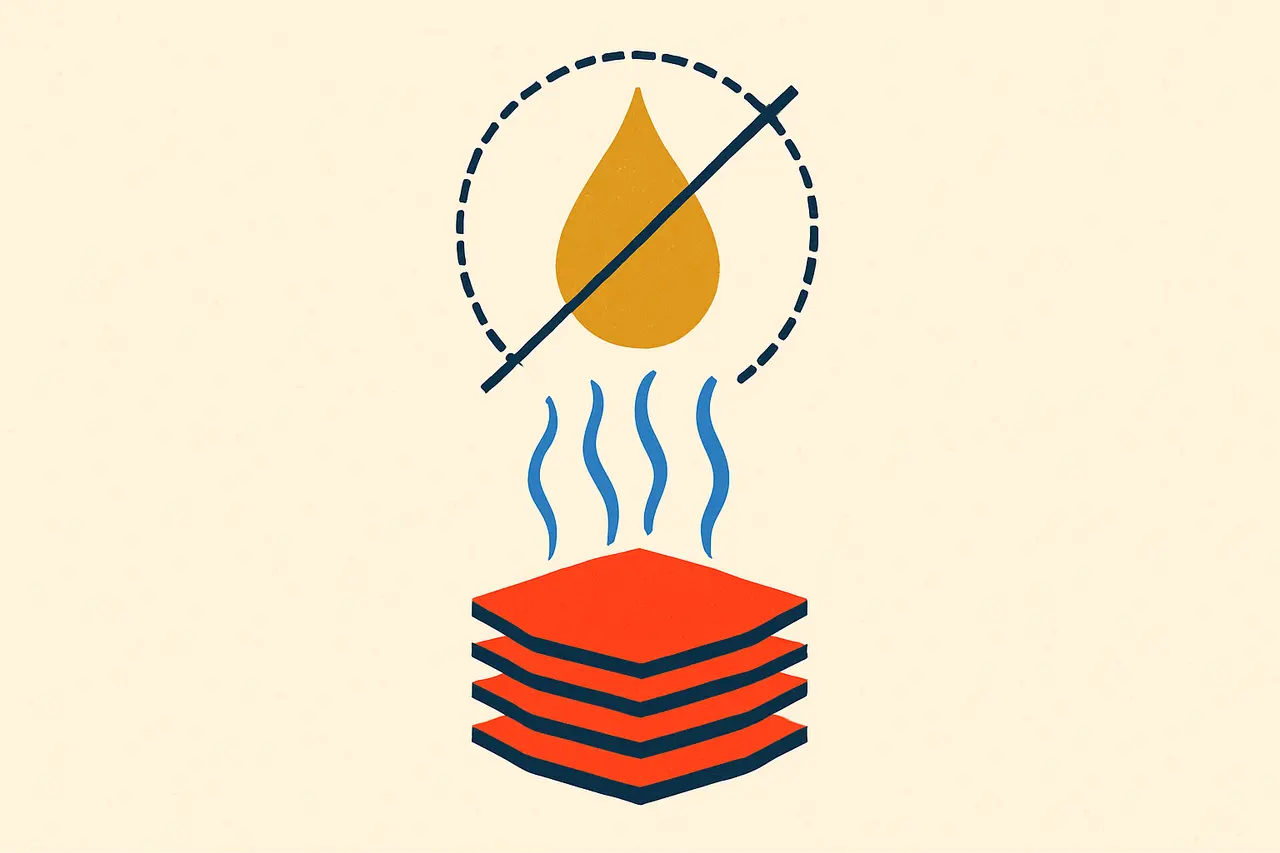
Yes, lightning turns sand into glass: when a bolt hits dry, quartz-rich sand it melts the grains along its path into hollow, root-like tubes of natural glass called fulgurites, from the Latin fulgur, “lightning”. It is the same basic chemistry as a glass factory, where silica sand is melted and cooled too quickly to crystallise, which is why glass ends up as a disordered solid rather than a crystal.
The heat is not in doubt. Lightning can heat the air it passes through to about 50,000 °F, roughly five times hotter than the surface of the Sun, while the Utah Geological Survey puts the threshold for melting sand instantly at about 1,800 °C. At Great Sand Dunes National Park, the National Park Service says, the bolt vaporises its core path and melts the surrounding sand into dark glass.
Most sand fulgurites are only 1–2 inches across but can run up to 30 inches long, their shape tracing how the strike spread into the ground. Strikes on bare rock leave rock fulgurites instead: glassy crusts and veins found near mountain summits, from Mont Blanc to Utah’s Wasatch Range. The Romans knew the phenomenon too: Cicero used the phrase condere fulmina, “to dig up thunderbolts”.
This glass may even have helped start life. In 2016 lightning struck a property in Glen Ellyn, Illinois, leaving an unusually large fulgurite. Researchers at the University of Leeds found it held plenty of schreibersite, a rare phosphorus mineral that, unlike most phosphorus on early Earth, dissolves in water. Their 2021 study in Nature Communications estimated early Earth saw 1–5 billion lightning flashes a year, against about 560 million today, and concluded that lightning overtook meteorites as a source of life’s phosphorus by about the time of the earliest known microfossils, around 3.5 billion years ago.
“Lightning strikes Earth frequently, implying that the phosphorus needed for the origin of life on Earth’s surface does not rely solely on meteorite hits.” — Benjamin Hess, lead author
Sources & references
5 referencesWell-established. Corroborated by 5 independent sources.