The Ghent Altarpiece is the most-stolen artwork in history
Coveted for six centuries, the van Eyck masterpiece has been looted again and again - and one panel has been missing since 1934.
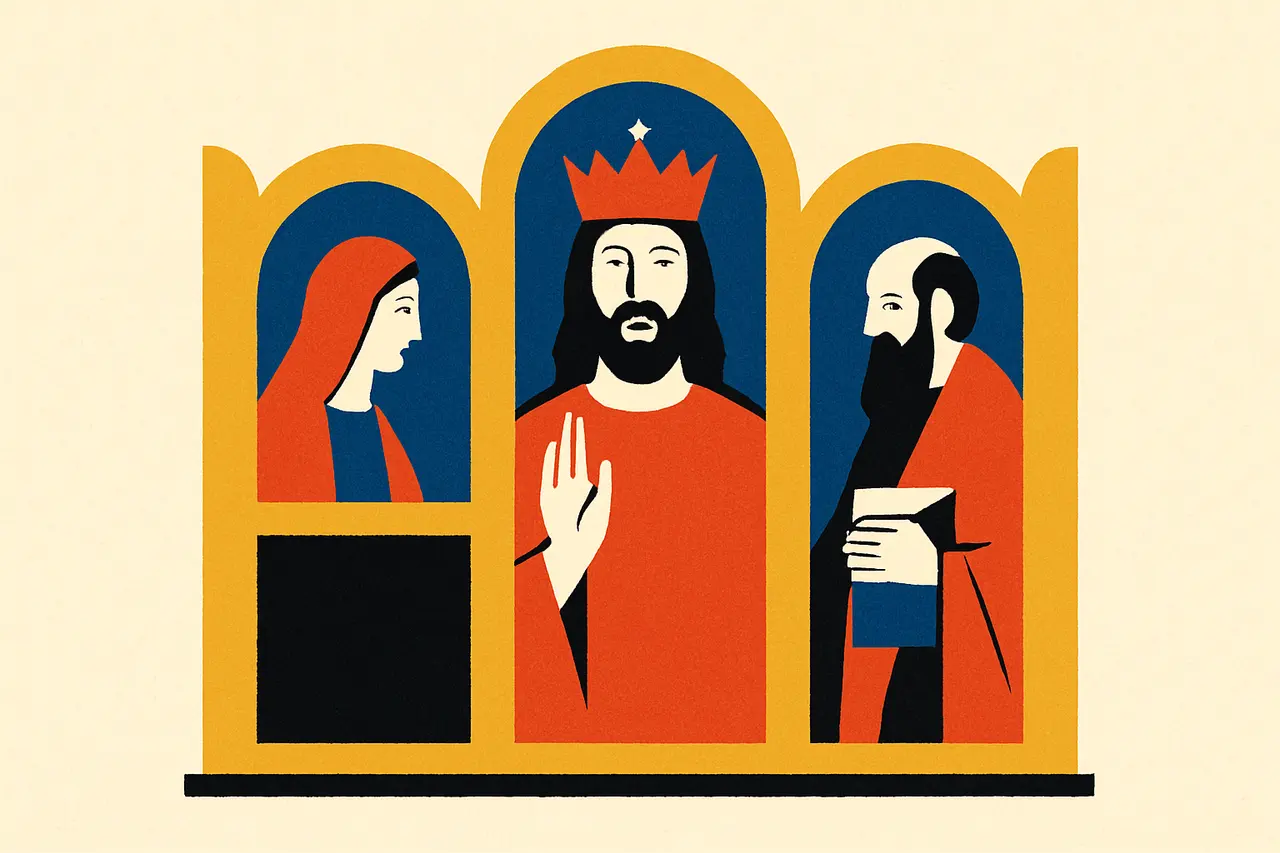
Finished in 1432 by Jan van Eyck and his brother Hubert, the Ghent Altarpiece — a 12-panel polyptych in St Bavo’s Cathedral — has the grim distinction of being the most-stolen artwork ever made, seized a reported seven times in its history.
Napoleon’s troops carted four panels to the Louvre in 1794, returned only after his 1815 defeat. During World War II, Hitler’s forces hid the altarpiece in the Altaussee salt mine in Austria, where it was rescued from destruction by the Monuments Men.
During the night of 10 April 1934, thieves prised the lower-left Just Judges panel from the cathedral — the section depicting a group of mounted, robed figures riding to adore the Lamb. A ransom of one million Belgian francs was demanded and refused. The reverse panel of St John the Baptist came back, but the Just Judges did not.
One theft has never been undone.
The prime suspect was a Ghent stockbroker named Arsène Goedertier, who on his deathbed in 1934 claimed to know where the panel was hidden and left behind a trail of coded ransom notes — then died without ever revealing the location. His cryptic clues have tantalized investigators ever since, fueling ground-penetrating radar sweeps, exhumations, and a persistent theory that the panel is concealed somewhere within the cathedral itself. When restorers recovered the altarpiece in 1945, every panel was present except this one. The gap was filled by a meticulous copy painted by the Belgian restorer Jef Van der Veken, which still hangs in its place — and Ghent police continue to field tips on the cold case to this day.
Sources & references
2 referencesWell-established. Corroborated by 2 independent sources.