Elias Howe patented the lockstitch sewing machine
On this day · 10 September 1846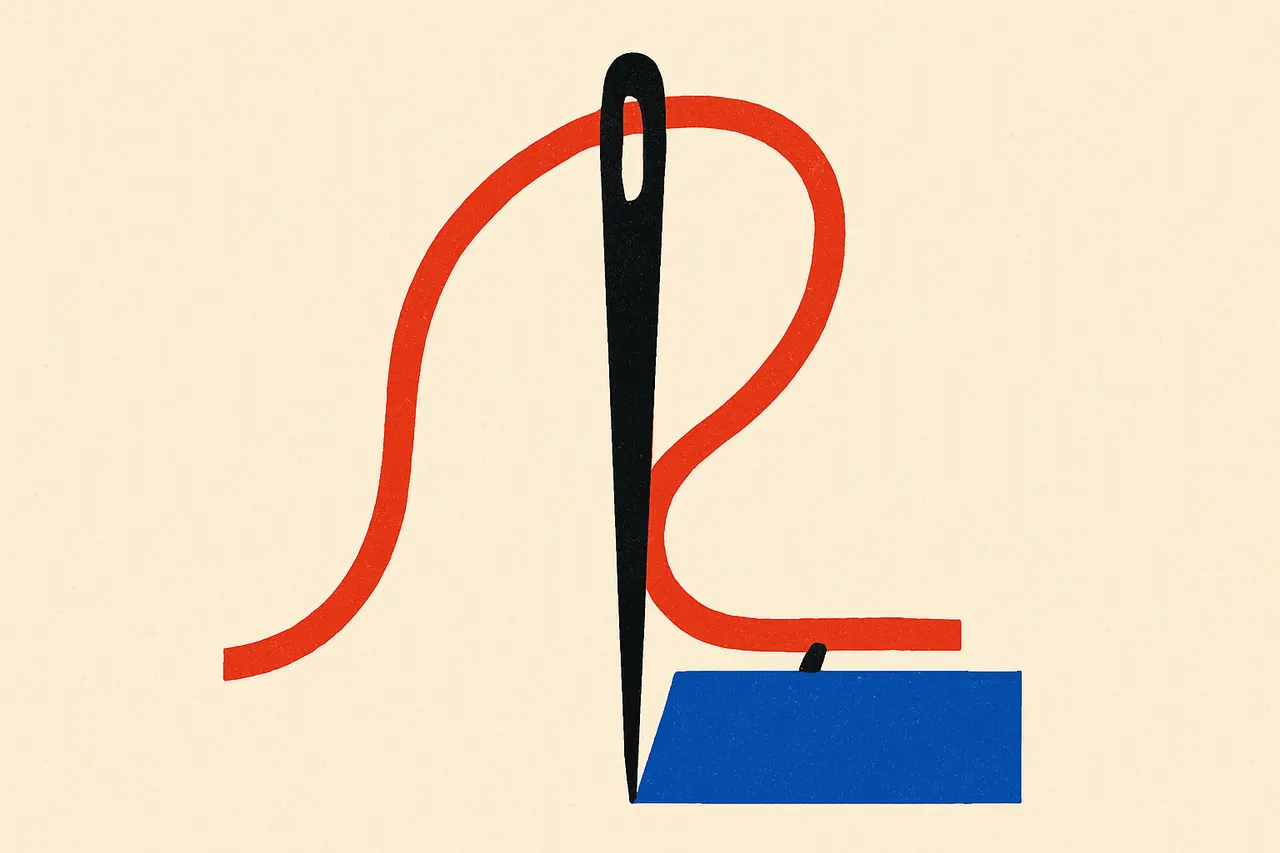
On September 10, 1846, a 27-year-old Massachusetts mechanic won the U.S. patent that mechanized stitching.
On September 10, 1846, Elias Howe Jr. of Cambridge, Massachusetts received U.S. Patent No. 4,750 for an “Improvement in Sewing-Machines.” The young mechanic—he was about 27—had spent years tinkering toward a machine that could replicate the slow labor of stitching by hand.
His design combined three features that still define the sewing machine: a needle with the eye at its point, a shuttle running beneath the cloth to lock the thread, and an automatic feed. Together they produced the durable lockstitch.
Recognition came slowly. Howe initially found more interest in England than at home, and on returning he discovered others—most famously Isaac Singer—selling machines that used his lockstitch. Howe sued, and after a patent fight stretching from 1849 to 1854 he prevailed, earning substantial royalties on nearly every sewing machine sold in the United States.
The humble lockstitch reshaped clothing manufacture and, eventually, the entire garment industry.
Sources & references
2 referencesWell-established. Corroborated by 2 independent sources.