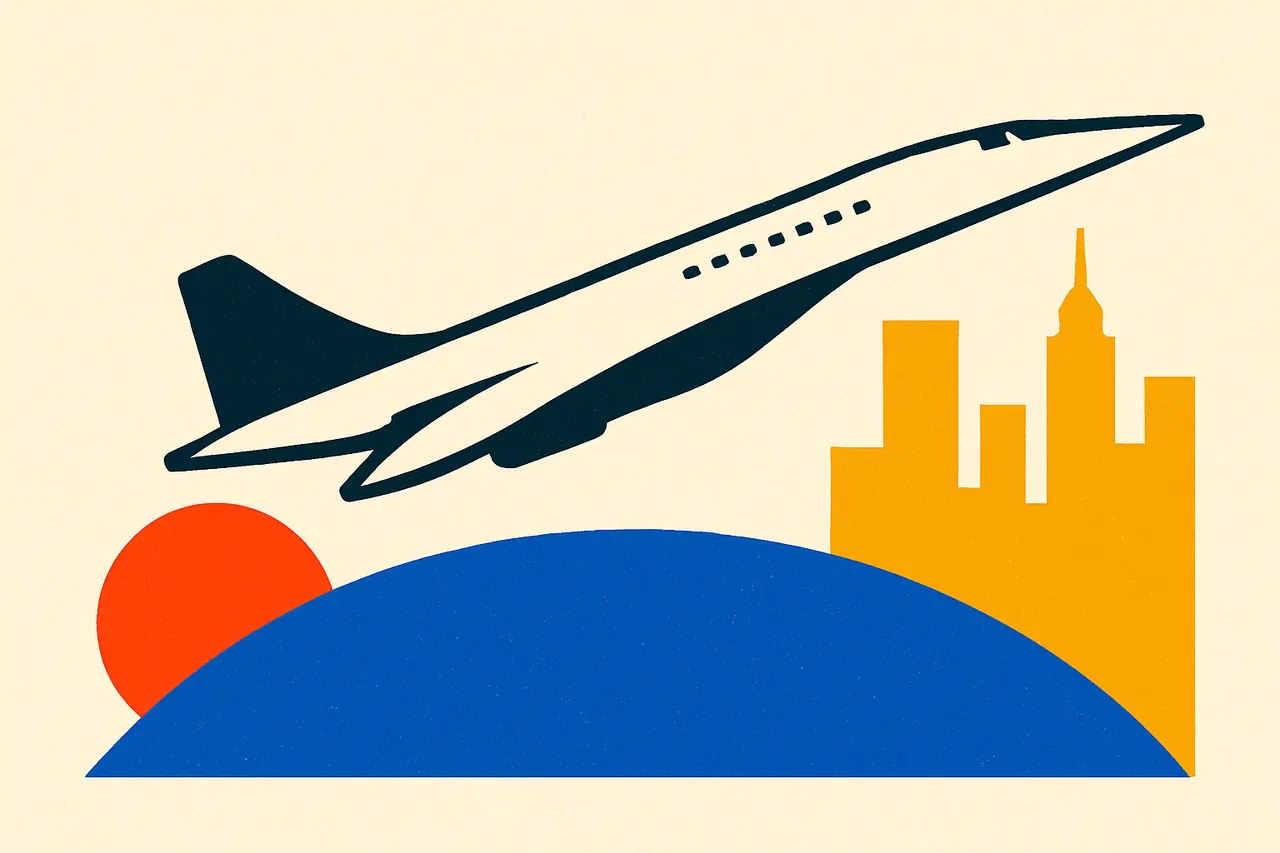
Concorde crossed the Atlantic in under three hours
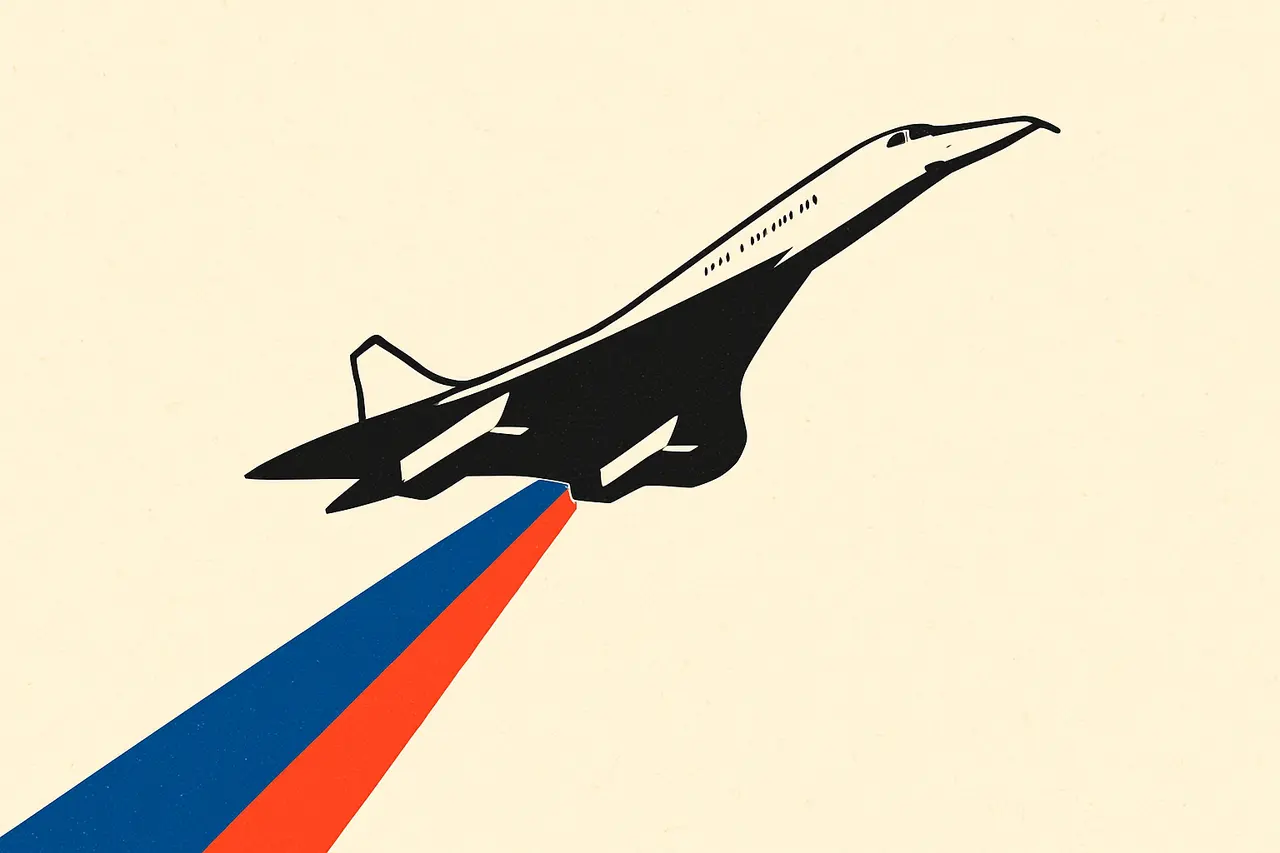
For 27 years, paying passengers could fly faster than a rifle bullet — then it stopped.
Concorde entered service in January 1976 as one of only two supersonic airliners ever to fly commercially. Cruising at around Mach 2 — roughly 1,350 mph (2,170 km/h), more than twice the speed of sound — it could carry passengers from New York to London in under 3.5 hours, less than half the time of a conventional jet.
The engineering was extreme. Friction with the air heated the airframe so much that the fuselage stretched about 25 cm (10 inches) in flight, and the cabin windows were warm to the touch. Its four engines burned afterburners to punch through the sound barrier and guzzled fuel, while its slender delta wing and droop nose were tuned for sustained supersonic cruise rather than efficiency.
That thirst doomed the economics, and so did the sonic boom. Because the shockwave rattling the ground below was intolerable over populated areas, most countries banned overland supersonic flight, confining Concorde largely to transatlantic ocean routes and erasing the lucrative markets it might otherwise have served.
Only 14 of the 20 aircraft built ever entered airline service, split between British Airways and Air France.
The safety record ended on 25 July 2000, when Air France Flight 4590 ran over metal debris on the runway near Paris, blowing a tyre whose fragments ruptured a fuel tank; the resulting fire brought the jet down, killing everyone aboard. Combined with rising costs and a post-2001 travel slump, it proved fatal to the program. Concorde was retired in 2003, its last flight on 24 October. No airliner has carried passengers supersonically since.
Sources & references
2 referencesWell-established. Corroborated by 2 independent sources.