The Code of Hammurabi set out 282 laws carved in stone
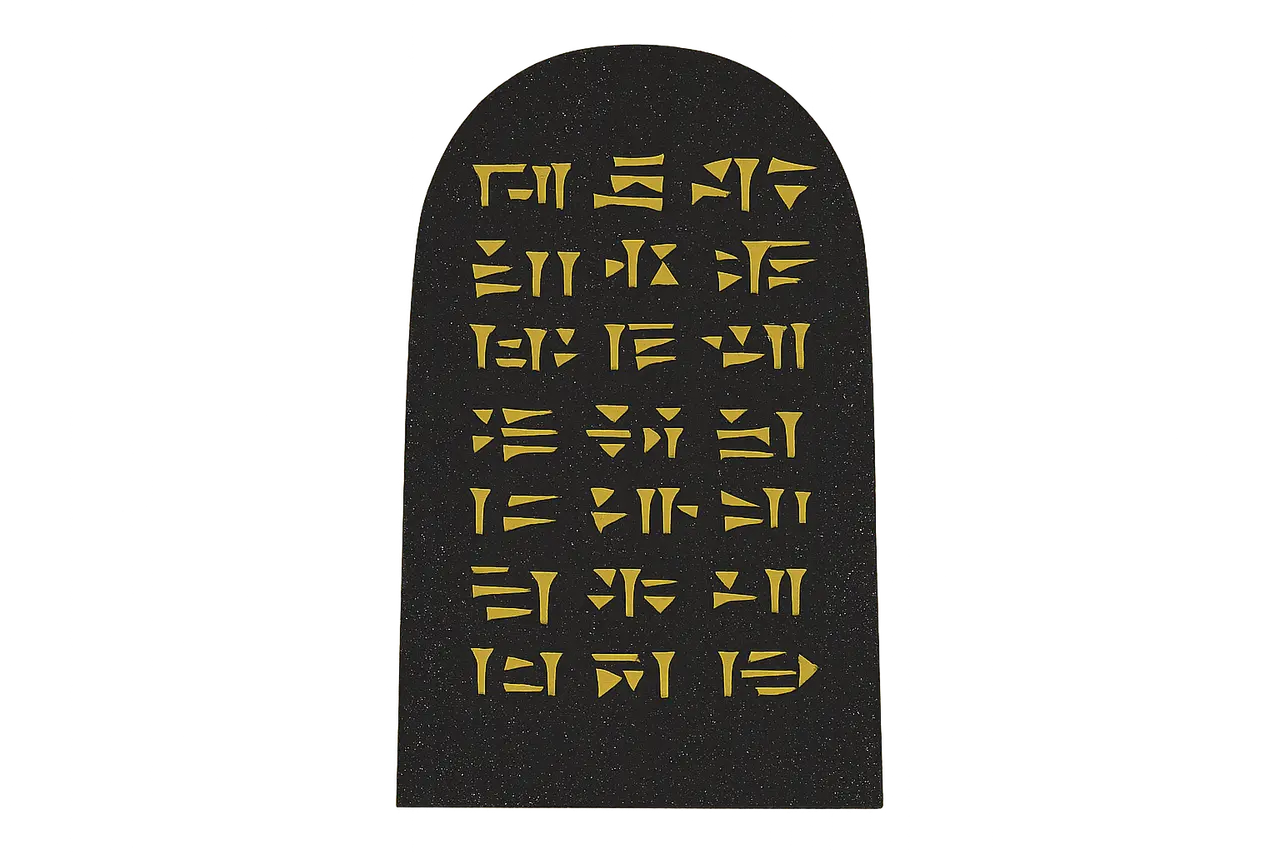
Nearly 3,800 years ago, a Babylonian king had his legal rulings inscribed on a stone pillar for all to see.
Around the 18th century BCE, Hammurabi, king of Babylon’s first dynasty, had a collection of his legal decisions engraved near the end of his reign (about 1792-1750 BCE). The result is one of the earliest and most complete written law codes that survives.
The text lays out 282 case laws covering family, property, trade, labour and criminal matters, with penalties that varied according to the status of those involved. It was carved onto a tall pillar, or stela, of dark stone.
Topped by a carved scene, the stela shows Hammurabi standing before Shamash, the sun god associated with justice.
The most famous stela, over 2.25 metres tall, was unearthed at Susa (in modern Iran) in 1901-02, carried there long ago as war booty. It has been displayed at the Louvre in Paris since 1904.
Sources & references
2 referencesWell-established. Corroborated by 2 independent sources.