Johann Christoph Denner Invented the Clarinet Around 1700
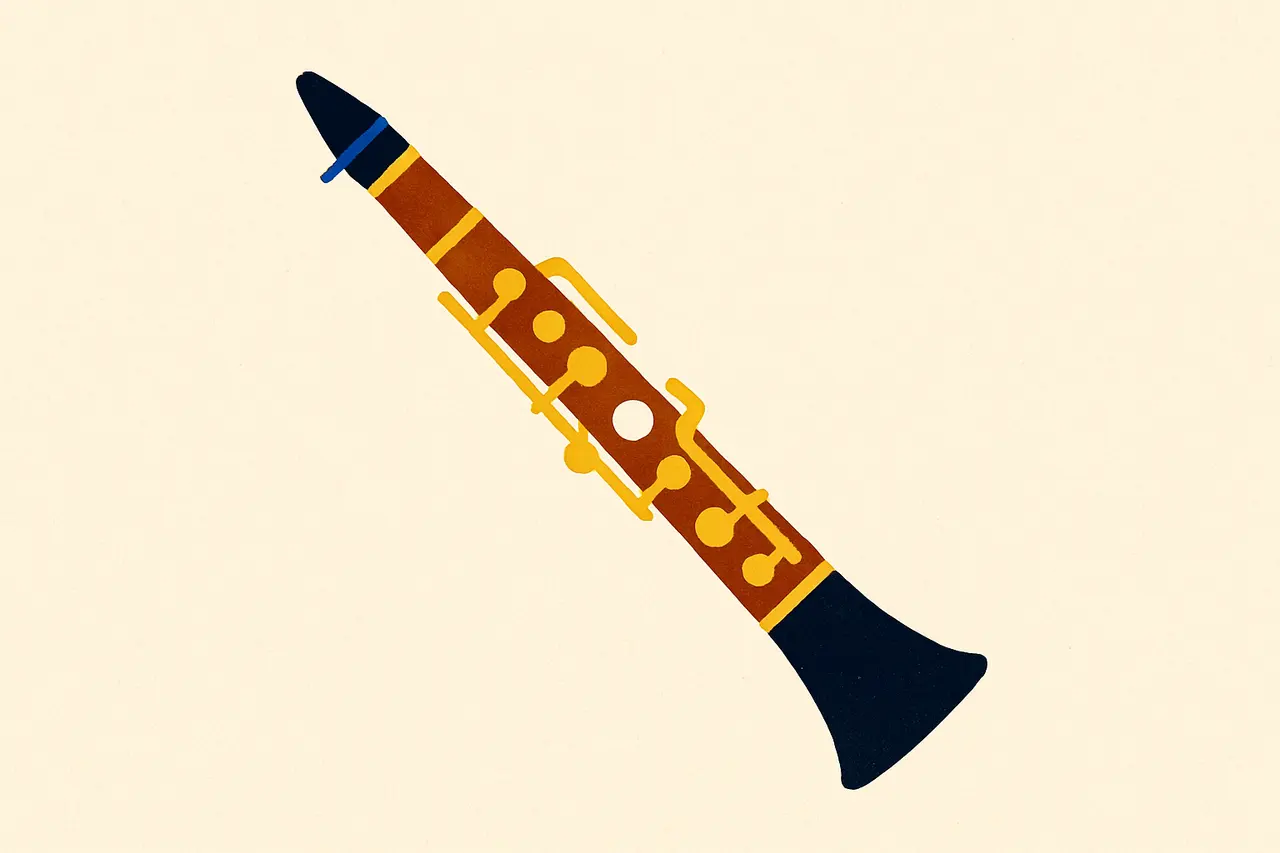
In Baroque Nuremberg, instrument maker Johann Christoph Denner reworked a humble single-reed pipe into the clarinet — a wholly new voice.
The clarinet did not arrive in a single flash of invention. It grew out of the chalumeau, a simple single-reed woodwind with a narrow range and a soft, reedy tone. Sometime around the turn of the eighteenth century, the Nuremberg instrument maker Johann Christoph Denner (1655–1707) began modifying the chalumeau, and out of that work the clarinet emerged.
Denner’s decisive change was a register key placed near the top of the bore. Because a clarinet’s cylindrical tube overblows at the twelfth rather than the octave, this key unlocked a whole new upper register, transforming a limited folk pipe into an instrument with a wide, expressive range.
No single day marks the clarinet’s birth — historians place its invention loosely “around 1700.”
Exact dates are elusive. Scholars variously put the breakthrough between roughly 1690 and the early 1700s, and the earliest surviving examples come from the workshop of Denner’s son Jacob. What is clear is that the Denner family of Nuremberg gave Western music one of its most enduring voices.
Sources & references
3 referencesWell-established. Corroborated by 3 independent sources.