Burma Chose Its Own Path Out of Empire
On this day · 4 January 1948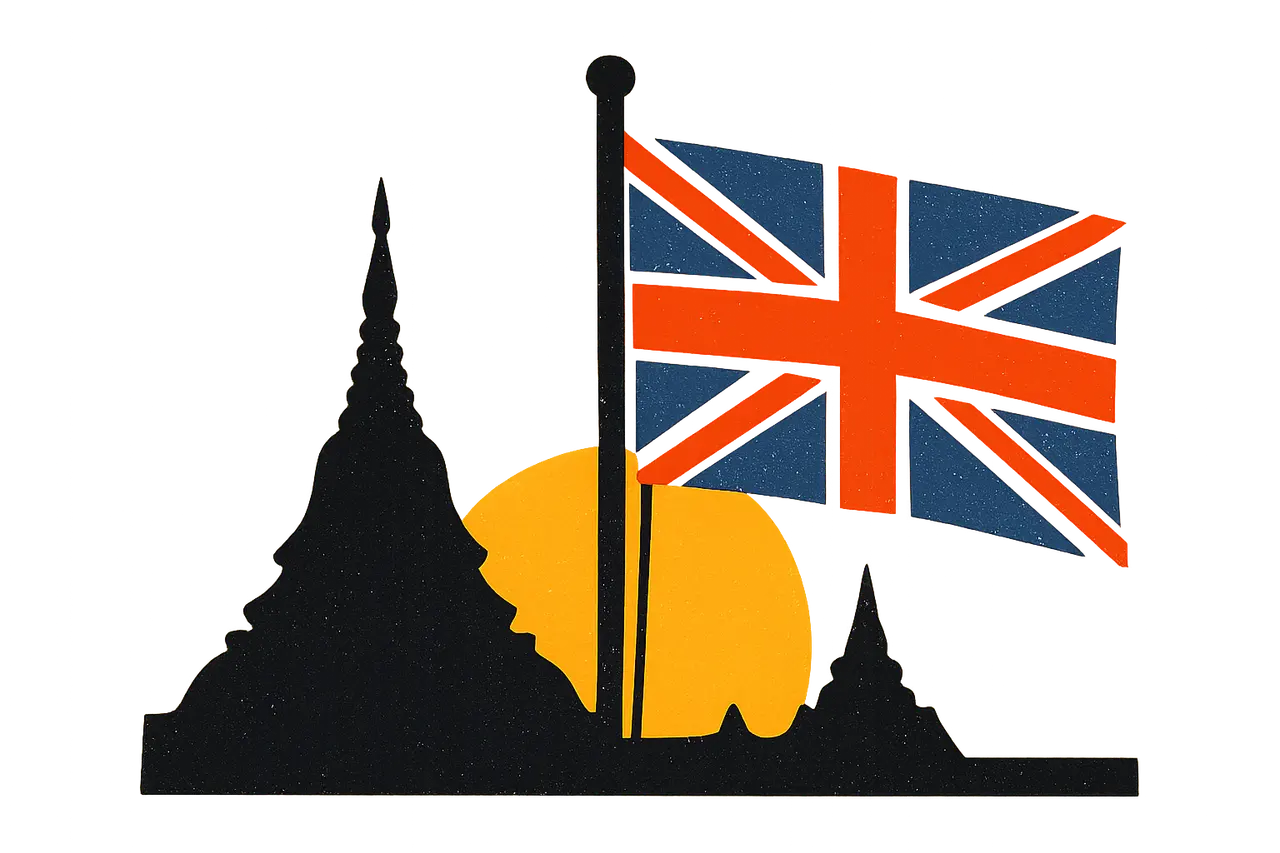
On a date picked for good fortune, Burma walked away from British rule and refused to join the Commonwealth other colonies kept.
At the stroke of dawn on 4 January 1948, the Union of Burma became an independent republic, ending more than six decades of British colonial rule that began in 1885. Unlike India and Pakistan, which had gained independence months earlier and stayed within the British Commonwealth, Burma chose to sever the link entirely.
The handover was set in motion by the Burma Independence Act 1947, passed by the UK Parliament and given royal assent on 10 December 1947. Prime Minister Clement Attlee told the Commons the Bill would let Burma “cease to be part of the British Commonwealth of Nations” and “no longer form part of the King’s Dominions.”
The date itself was no accident. Attlee explained that 4 January had been chosen in consultation with Burmese leaders because some days were considered more auspicious than others for great undertakings.
The new nation’s first president was Sao Shwe Thaike. The United States recognised the republic that same day, a rapid endorsement of a country that had decided to stand fully apart from its former rulers.
Sources & references
2 referencesWell-established. Corroborated by 2 independent sources.